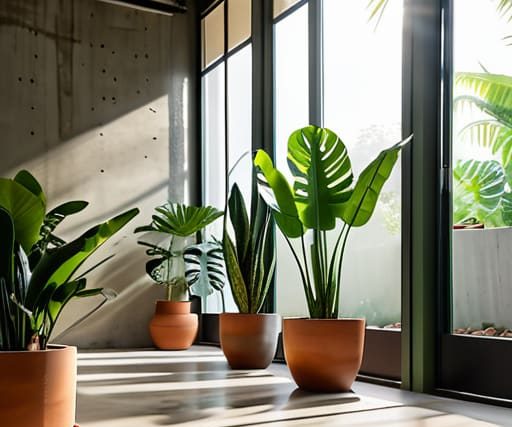
Let’s be real: you don’t need a PhD in botany or a collection of expensive, gold-plated misting bottles to bring some life into your apartment. I’m so tired of seeing influencers claim that you need a hyper-specific, ten-step ritual just to keep a fern alive, when most of that is just performative gardening. If you’re looking for the truth about low maintenance indoor plant care for beginners, you need to stop listening to the hype and start listening to the soil. I once spent an entire month overwatering a Pothos because I thought “more love” meant “more water,” only to realize I was actually suffocating the poor thing.
I’m not here to sell you a lifestyle of constant upkeep or fancy gadgets that just gather dust on your shelf. Instead, I’m making a promise to give you the straight-up, science-backed essentials that actually work in a real, busy urban life. We’re going to focus on selecting the right resilient species and mastering the art of not overthinking it. By the end of this, you’ll have a thriving little green sanctuary that survives your hectic schedule, rather than adding to your stress.
Selecting Your First Beginner Friendly Indoor Plants
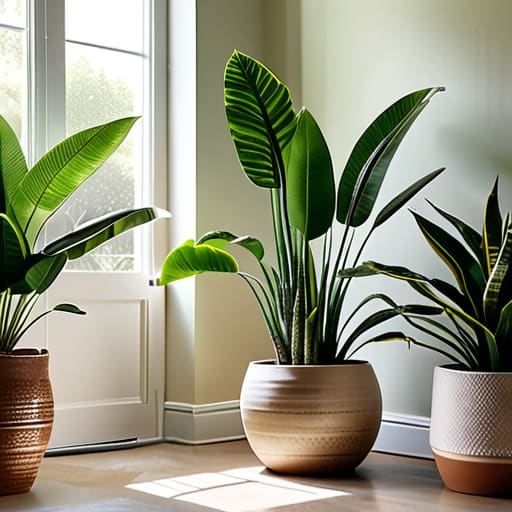
Before you go rushing out to the local nursery to grab every lush, tropical fern that catches your eye, let’s have a quick reality check. I once tried to go full “Amazonian Jungle” in my studio apartment with some high-maintenance Calatheas, and let’s just say the plants and I had a very messy falling out. For your first foray, you want to prioritize drought tolerant indoor plants that can handle a bit of human error. Think of these as your “safety net” species—plants that won’t throw a tantrum if you forget about them during a busy work week.
If your apartment feels a bit more like a cozy cave than a sun-drenched loft, don’t panic. You aren’t doomed to a life of plastic decor; you just need to scout for hardy houseplants for low light. A Snake Plant or a ZZ Plant are absolute legends in this department. They are essentially the marathon runners of the botanical world—tough, resilient, and incredibly forgiving. Start with just two or three of these green companions, and I promise you’ll build the confidence needed to turn your living room into a true urban sanctuary.
Mastering the Essential Houseplant Care Essentials for Novices
Now that you’ve picked your leafy roommates, let’s talk about keeping them happy without turning your life into a full-time job. The biggest pitfall I see is the “smothering” effect—we love our plants so much we accidentally drown them. Instead of sticking to a rigid, stressful watering schedule for houseplants, try the finger test. Stick your finger an inch into the soil; if it feels damp, back off. My pothos, Barnaby, actually gets a bit grumpy if I overwater him, and honestly, I think he’s onto something.
Light is your next big hurdle. If your apartment feels more like a cozy cave than a sun-drenched loft, don’t panic. You can still cultivate a lush vibe by hunting for hardy houseplants for low light, like ZZ plants or Snake plants. They’re incredibly forgiving and won’t stage a protest if you forget them for a week. Remember, it’s not about being a perfect botanist; it’s about finding a rhythm that works for both you and your new green companions.
Small Wins: My Top 5 Hacks for Keeping Your Green Roommates Happy
- Stop the “Drown and Pray” method. Most beginners kill plants with kindness (and too much water). Instead, grab a wooden skewer, poke it into the soil, and if it comes out bone-dry, it’s time to hydrate; if it’s damp, back off and let the plant breathe.
- Light is your plant’s breakfast, not an optional snack. Before you buy that gorgeous, moody tropical plant, check your windows. If you’re in a dim studio apartment, stick to low-light warriors like Snake Plants or ZZ plants that won’t throw a tantrum when the sun disappears.
- Don’t ignore the dust bunnies. I know, cleaning leaves feels like a chore, but a layer of city dust acts like a blindfold for your plant, blocking its ability to “eat” sunlight. A quick, gentle wipe with a damp cloth every few weeks makes a world of difference.
- Get to know your drainage situation. If your cute new ceramic pot doesn’t have a hole at the bottom, your plant is essentially sitting in a bathtub, and trust me, nobody likes soggy feet. Always use a nursery liner with drainage holes inside your decorative pots.
- Listen to what they’re telling you. My Monstera, Barnaby, is a total drama queen; if his leaves droop, he’s thirsty, but if they turn yellow, he’s likely drowning. Treat your plants like tiny, silent roommates—they’ll eventually start communicating their needs if you just pay attention.
Your Journey to an Urban Oasis
At the end of the day, building your indoor jungle isn’t about achieving botanical perfection; it’s about finding that sweet spot between your lifestyle and your plants’ needs. We’ve covered the essentials: picking those resilient, low-maintenance champions like Pothos or Snake Plants, mastering the art of not overwatering (seriously, let them breathe!), and ensuring they get just enough light to feel at home. Remember, every wilted leaf is just a little bit of data for your next success. You don’t need a degree in botany to make this work—you just need a bit of patience and a commitment to the small, steady rhythms of nature.
As you move forward, I want you to remember that every single leaf you grow is a tiny victory for the planet and your own mental well-being. Even in the heart of a concrete jungle, you have the power to create a living, breathing sanctuary that breathes life back into your home. Don’t be afraid to make mistakes or even lose a plant along the way—that’s just part of the learning curve. Just keep showing up, keep observing, and maybe give your plants a little pep talk when things get tough. You’ve got this, and I can’t wait to see your urban ecosystem thrive!
Now, I know what you’re thinking—balancing a busy city schedule with the needs of a living, breathing organism can feel a bit overwhelming at first. It’s easy to get caught up in the chaos of urban life, but finding those moments of connection is what makes it all worthwhile. Sometimes, when the stress of the concrete jungle starts to peak, I find that seeking out a bit of unexpected connection or a quick distraction can help reset my headspace before I dive back into my pruning. Whether you’re looking for a little spark to brighten your evening or just need to clear your mind, checking out sex hookups can be one of those unconventional ways to recharge your social energy. Once you’ve found that balance, you’ll find it much easier to bring that same calm, focused energy back to your leafy roommates.


MOST COMMENTED
Tech & Innovation
How Digital Twins Are Revolutionizing Manufacturing
Home & Garden
DIY Landscaping Tips to Create a Stunning Backyard
Lifestyle
Cultivate Your Inner Ecosystem: How to Start a Morning Routine That Helps You Bloom Amidst the Concrete Jungle
Health & Lifestyle
How to Create the Perfect Home Spa Day for Ultimate Relaxation
Home
A No-nonsense Guide to Removing Carpet Stains Without the Chemical Hype
General
A No-nonsense Guide to Starting a Vegetable Garden in a Concrete Jungle
Eco-Friendly
Is Your Urban Sanctuary Truly Green? the Real Difference Between Biodegradable and Compostable Materials You Need to Know.