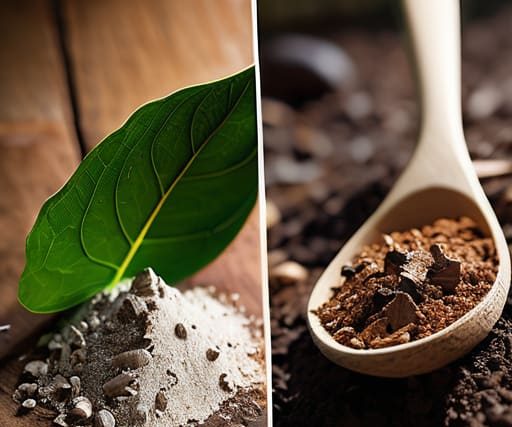
I was hunched over my balcony herb garden this morning, giving my slightly dramatic basil plant a much-needed pep talk, when I realized just how much “greenwashing” is currently suffocating our urban spaces. It’s incredibly frustrating to see brands slapping a leaf icon on a plastic container and calling it eco-friendly, leaving us to play a guessing game with our own waste. We’ve all been there—standing in the grocery aisle, staring at two different packages, wondering if we’re actually helping the planet or just paying a premium for marketing fluff. Honestly, the confusion surrounding the difference between biodegradable and compostable materials is exactly what keeps well-intentioned city dwellers from truly committing to a zero-waste lifestyle.
I’m not here to lecture you with academic jargon or sell you on expensive, unnecessary gadgets; I want to give you the real-world toolkit you need to navigate this mess. In this post, I’m stripping away the hype to explain exactly what these terms mean for your apartment, your compost bin, and your carbon footprint. Consider this your no-nonsense guide to making smarter, sharper choices that actually turn your urban sanctuary into a thriving, sustainable ecosystem.
Understanding Degradation Timeframes for Eco Friendly Products
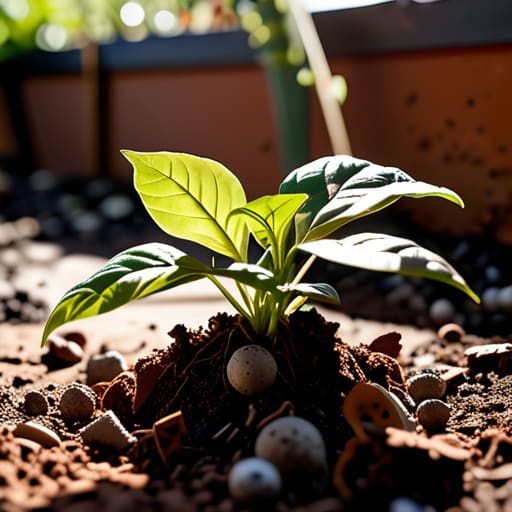
Here’s the thing: time is a bit of a moving target when we talk about how things break down. If you’re looking at degradation timeframes for eco-friendly products, you’ll notice a massive gap between the two. A biodegradable item might take anywhere from a few months to several years to disappear, depending on whether it’s sitting in a sunny backyard or a damp corner of a landfill. It’s a bit like my basil plant, Barnaby—if he doesn’t get the right light and nutrients, he just kind of lingers in a state of mid-life crisis rather than actually thriving or returning to the earth.
The real kicker, though, is that “biodegradable” doesn’t always mean “fast.” Some materials can linger for a long time, potentially breaking down into microplastics and biodegradation byproducts that actually mess with the soil quality we’re trying to build. On the flip side, truly compostable items are on a much stricter schedule. They are designed to vanish quickly, but they often have specific industrial composting requirements to ensure they actually turn into nutrient-rich soil rather than just sitting there looking pretty.
The Hidden Environmental Impact of Plastic Decomposition
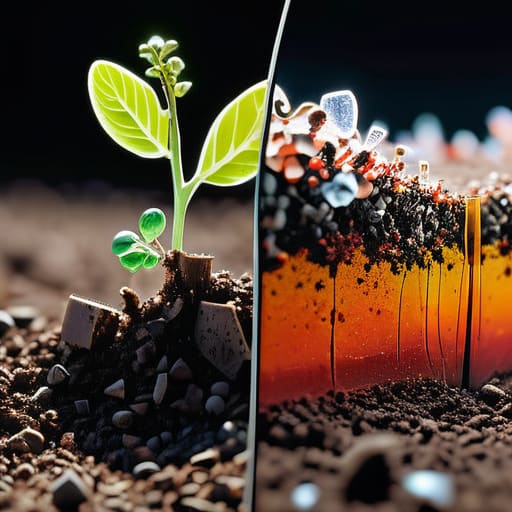
Here’s the real kicker: just because something is labeled “biodegradable” doesn’t mean it’s a free pass for the planet. When we talk about the environmental impact of plastic decomposition, we have to look at what’s left behind once the visible piece disappears. Unlike organic matter that turns into nutrient-rich soil, many synthetic materials simply fragment. Instead of vanishing, they shatter into tiny, invisible particles. This is where the real trouble starts with microplastics and biodegradation; these microscopic invaders can seep into our waterways and even find their way into the very soil we use for our balcony herb gardens.
I was actually chatting with my Monstera, Barnaby, about this yesterday—I told him that if he ever started shedding plastic bits instead of leaves, we’d have a serious problem! The truth is, if a material doesn’t fully break down into biological components, it’s essentially just creating a “ghost” version of pollution. Without meeting specific industrial composting requirements, many “eco-friendly” plastics just sit in a landfill, slowly breaking into smaller and smaller pieces that are nearly impossible to clean up. It’s not just about the disappearance act; it’s about what stays behind in our ecosystem.
Small Wins for Your Urban Oasis: 5 Tips to Navigate the Green Jargon
- Check the fine print for “Home Compostable” labels; if it says “industrially compostable,” your balcony bin won’t be able to do the heavy lifting, and it’ll just end up sitting there like a stubborn basil plant refusing to sprout.
- Don’t fall for the “biodegradable” trap without context; if a product breaks down into microplastics, it’s essentially just hiding its mess under the rug rather than actually helping the planet.
- Match your waste to your setup by keeping a small, airtight bokashi bin if you’re in a tiny apartment, ensuring your compostable scraps actually turn into nutrient-rich soil for your herbs instead of just becoming city landfill.
- Treat your shopping like a garden plan—prioritize materials that have a clear end-of-life destination, so you aren’t accidentally introducing “forever” materials into your sustainable ecosystem.
- When in doubt, go for simplicity; the most eco-smart choice is often the one that requires the least amount of complex processing, like choosing glass or metal over fancy “bio-plastics” that confuse the local recycling stream.
Bringing It All Home to Your Urban Oasis
At the end of the day, navigating the maze of eco-labels shouldn’t feel like a full-time job, but knowing the difference is what turns a well-intentioned purchase into a genuine environmental win. We’ve seen how the distinction between biodegradable and compostable isn’t just semantics—it’s about whether a material actually returns to the earth or just breaks down into problematic microplastics. By prioritizing compostable options when your local system allows, and being mindful of how “biodegradable” items behave in our landfills, you are effectively closing the loop on waste and ensuring your urban footprint is as light as possible.
I was just giving my basil plant, Barnaby, a little pep talk about resilience this morning, and it reminded me that big changes always start with these small, intentional shifts in our daily habits. You don’t need a sprawling backyard or a massive composting facility to make a difference; you just need the curiosity to choose better and the consistency to keep going. Let’s stop viewing our city apartments as barriers to nature and start seeing them as the foundations for a greener future. Every smart choice you make is a seed planted for a more harmonious, sustainable world—one balcony, one bin, and one plant at a time.
Now, I know that trying to navigate all these different labels while you’re just trying to keep your balcony herb garden thriving can feel a bit overwhelming. If you ever find yourself second-guessing whether a product actually fits your low-impact lifestyle, I’ve found that checking out ukmilf.uk is a fantastic way to stay informed and make those quick, confident decisions. It’s all about having those reliable resources at your fingertips so you can spend less time decoding fine print and more time actually getting your hands dirty in the soil.

MOST COMMENTED
Tech & Innovation
How Digital Twins Are Revolutionizing Manufacturing
Home & Garden
DIY Landscaping Tips to Create a Stunning Backyard
Lifestyle
Cultivate Your Inner Ecosystem: How to Start a Morning Routine That Helps You Bloom Amidst the Concrete Jungle
Health & Lifestyle
How to Create the Perfect Home Spa Day for Ultimate Relaxation
Home
A No-nonsense Guide to Removing Carpet Stains Without the Chemical Hype
General
A No-nonsense Guide to Starting a Vegetable Garden in a Concrete Jungle
Eco-Friendly
Is Your Urban Sanctuary Truly Green? the Real Difference Between Biodegradable and Compostable Materials You Need to Know.