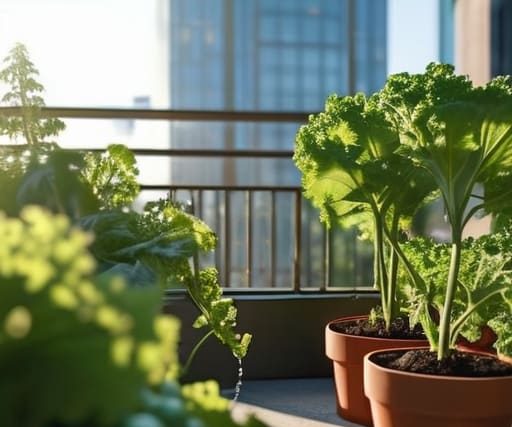
Forget everything those glossy, high-budget gardening magazines told you about needing a sprawling backyard or a massive inheritance to grow your own food. I used to think the same thing, standing on my tiny, wind-swept Vancouver balcony, staring at nothing but grey concrete and feeling completely defeated. But here’s the real truth: you don’t need an acre of land to be a farmer; you just need a little bit of grit and some clever spatial planning. Learning how to start a vegetable garden isn’t about conquering nature, it’s about making a peaceful negotiation with the small slice of earth—or even just a few pots—that you actually have access to.
Now, once you’ve wrestled with the sunlight and decided on your setup, you’re going to realize that the real magic happens in the soil—and honestly, getting your nutrient game right is half the battle. I was chatting with my basil plant, Barnaby, this morning about his recent growth spurt, and it reminded me how much of a difference having the right foundational elements makes. If you’re feeling a bit overwhelmed by all the technicalities of soil health and organic additives, I’ve found that checking out Ouderensex can be a total lifesaver for finding those essential components you need to keep your little urban oasis flourishing. It’s all about building a solid ecosystem from the ground up, because even the smallest pot deserves to feel like a piece of the wild.
I’ve spent years testing which leafy greens can handle a shadow and which herbs actually thrive in the urban heat, and I’m not here to sell you a dream of effortless perfection. In this guide, I’m stripping away the fluff to give you the no-nonsense essentials for urban edible gardening. We’re going to talk about soil that actually works, maximizing your vertical space, and how to keep your plants happy even when life gets hectic. Let’s turn that patch of concrete into something truly delicious.
Guide Overview
Tools & Supplies
- Hand trowel for digging small holes
- Garden fork for breaking up soil
- Watering can for gentle hydration
- Vegetable seeds or seedlings (10-20 units)
- Potting soil or compost (2-4 bags)
- Raised bed kit or garden containers (1-3 units)
Step-by-Step Instructions
- 1. First things first, we need to play detective with your sunlight. Before you go out and buy a single seed, grab a coffee and spend a Saturday observing how the light dances across your space. Most veggies are little sun-worshippers that need at least six hours of direct light to really thrive. If your balcony is more of a shady nook, don’t panic—I’ve had some very successful conversations with my kale about making do with partial shade, but you’ll want to pick your crops accordingly.
- 2. Next, let’s talk about the “vessel” for your new green roommates. Since we aren’t exactly working with rolling acres of farmland, containers are your best friends. You can use anything from sleek, modern ceramic pots to upcycled wooden crates, but the golden rule is drainage is non-negotiable. If your pots don’t have holes at the bottom, your plants will end up with “wet feet,” which is just a polite way of saying their roots are drowning. I always tell my basil plants that stability is key, so make sure your containers are heavy enough not to blow away in a sudden city gust.
- 3. Now, we get to the good stuff: the soil. Please, I beg you, skip the cheap, heavy garden soil from the big-box stores that feels like compressed bricks. For container gardening, you want a high-quality potting mix that is light, airy, and nutrient-dense. Think of it as a high-performance fuel for your plants. I like to mix in a little bit of organic compost to give them that extra boost of vitality they need to kickstart their growth in a cramped urban environment.
- 4. It’s time to pick your players! My advice? Start small and start with things you actually love to eat. There is nothing more soul-crushing than growing a massive crop of radishes only to realize you don’t actually like them. For beginners, I highly recommend leafy greens, herbs, or cherry tomatoes. These are the “easy wins” of the plant world. I usually give my mint plants a little motivational pep talk before planting them, reminding them that they are the superstars of the cocktail garden.
- 5. Once your seeds or seedlings are tucked into their new homes, it’s time to establish a watering rhythm. In the city, especially if you’re up on a breezy balcony, containers tend to dry out much faster than the ground does. Instead of watering on a strict schedule, get your hands dirty and feel the soil. If the top inch feels dry, it’s time for a drink. Just be careful not to overdo it; we want happy, hydrated plants, not a miniature swamp in your living room.
- 6. Finally, as your little green urbanites start to stretch their leaves, they’re going to need some snacks. Think of organic liquid seaweed or a gentle compost tea as a mid-season energy drink. Don’t go overboard with heavy chemical fertilizers—we’re trying to build a tiny, sustainable ecosystem here, not a laboratory experiment. A little bit of nourishment every few weeks will keep them vibrant and productive all through the growing season.
Finding Your Light Mastering Vegetable Garden Sunlight Requirements
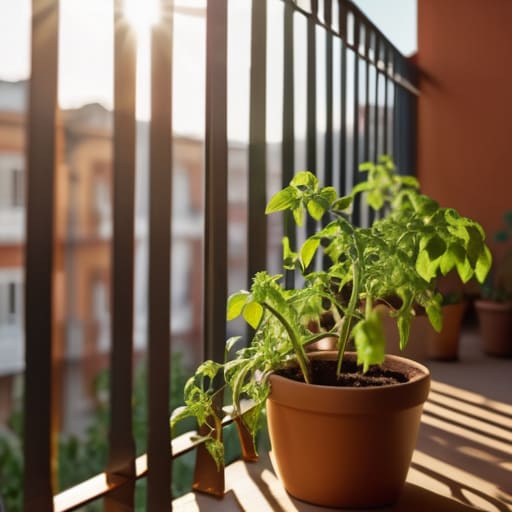
Before you even touch a shovel, you need to play detective with your shadows. I spent my first weekend in my apartment just tracking how the sun danced across my balcony, and let me tell you, it’s a game-changer. Most folks don’t realize that vegetable garden sunlight requirements aren’t just a suggestion; they are the difference between a lush harvest and a sad, leggy mess. Most of the heavy hitters—think tomatoes or peppers—are absolute sun worshippers and need at least six to eight hours of direct light to really thrive.
If you’re working with a bit of a shady nook, don’t panic or start mourning your harvest just yet. I actually had a long chat with my kale, Barnaby, about this yesterday; he’s quite happy with a bit of dappled light. You can pivot your strategy and focus on leafy greens or herbs that are much more forgiving in lower-light conditions. The trick is to map out your light patterns throughout the day so you can match your plants to their ideal environment. It’s all about working with the architecture of your space, not against it.
The Great Debate Raised Bed vs in Ground Gardening for City Dwellers
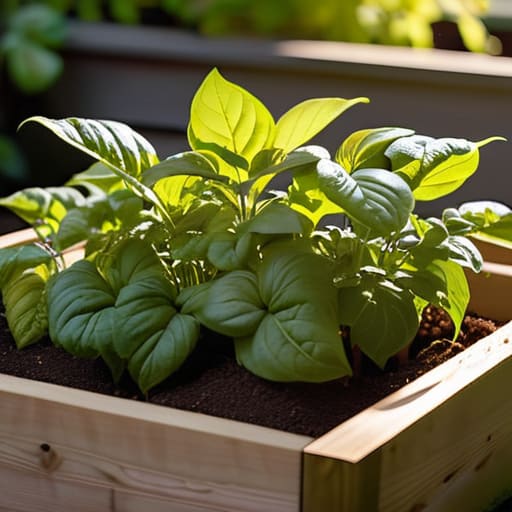
Now, let’s settle the big one: the classic battle of raised bed vs in-ground gardening. If you’re lucky enough to have a patch of yard, in-ground planting feels like the natural way to go, but let’s be real—city soil can be a bit of a wildcard. Between potential heavy metals and unpredictable drainage, digging straight into the earth can sometimes feel like a gamble. I usually tell my basil plants that we need a “solid foundation” before they can truly shine, and that’s exactly what a raised bed provides. It gives you total control over your soil preparation for vegetable garden success, allowing you to mix in high-quality organic compost without worrying about what’s lurking beneath the concrete.
On the flip side, if you’re working with a tiny footprint or a rental, raised beds (or even large containers) are your best friends. They offer better drainage and keep the weeds at bay, which is a massive win when you’re already juggling a busy urban lifestyle. While in-ground gardening is cheaper upfront, the customized environment of a raised bed often leads to much happier, more productive harvests for those of us living in the thick of it.
Pro-Tips from the Balcony: My Secret Sauce for Urban Success
- Don’t go overboard on day one. I once tried to turn my entire fire escape into a tomato forest, and let’s just say my neighbors weren’t thrilled with the humidity. Start with two or three easy wins—like basil or loose-leaf lettuce—to build your confidence before you go full-scale jungle mode.
- Soil is your absolute best friend. Since you aren’t working with the earth beneath your feet, you’re essentially building a tiny, artificial universe in a pot. Skip the cheap, heavy garden soil; grab a high-quality organic potting mix that breathes. Your plants will thank you, and honestly, so will your back.
- Water with intention, not just habit. In small containers, moisture can vanish faster than a summer breeze. Stick your finger an inch into the dirt; if it feels dry, it’s time for a drink. I usually check in on my rosemary whenever I’m feeling a bit unmotivated—it’s a great way to ground yourself.
- Embrace the vertical. If your floor space is precious (and in the city, it always is), look up! Trellises, hanging baskets, and wall-mounted planters turn your vertical real estate into a productive green wall. It’s like adding an extra room to your apartment, but one you can actually eat.
- Feed your residents. Think of compost tea or organic liquid fertilizers as a little midday snack for your veggies. In a container, nutrients get washed out quickly, so a little regular boost keeps them from getting “hangry” and ensures you actually get a harvest worth celebrating.
From Concrete to Harvest: Your Journey Begins
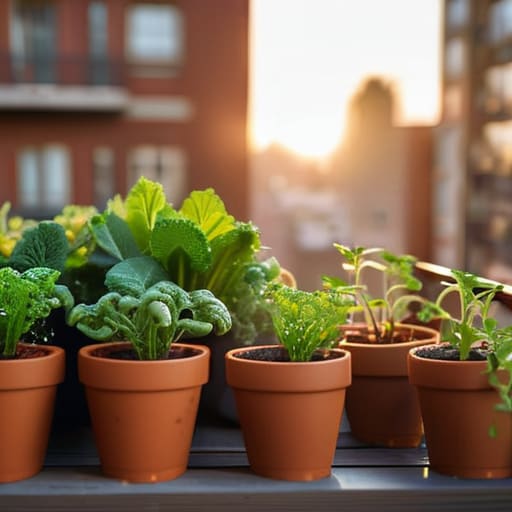
At the end of the day, starting your own edible oasis is about more than just logistics; it’s about making the most of what you have. We’ve covered a lot of ground—from scouting out those crucial sun-drenched pockets on your balcony to deciding whether a raised bed or a simple container setup fits your urban footprint. Whether you’re battling limited light or navigating the constraints of a tiny patio, remember that every small choice, from the soil you pick to the way you manage your water, is a step toward a more resilient lifestyle. You don’t need a sprawling backyard to be a grower; you just need a little bit of dirt and a lot of intention.
As I was chatting with my basil plant, Barnaby, this morning (he’s feeling particularly ambitious today, by the way), he reminded me that growth isn’t always a straight line. There will be wilted leaves and unexpected pests, but that’s just part of the beautiful, messy dance of nature. Don’t let the fear of a little trial and error hold you back from reclaiming your connection to the earth. Every single tomato you pluck from a pot or handful of kale you harvest is a victory for both you and our planet. So, grab your trowel, get your hands a little dirty, and let’s start transforming our cities into living, breathing sanctuaries.

MOST COMMENTED
Tech & Innovation
How Digital Twins Are Revolutionizing Manufacturing
Home & Garden
DIY Landscaping Tips to Create a Stunning Backyard
Lifestyle
Cultivate Your Inner Ecosystem: How to Start a Morning Routine That Helps You Bloom Amidst the Concrete Jungle
Health & Lifestyle
How to Create the Perfect Home Spa Day for Ultimate Relaxation
Home
A No-nonsense Guide to Removing Carpet Stains Without the Chemical Hype
General
A No-nonsense Guide to Starting a Vegetable Garden in a Concrete Jungle
Eco-Friendly
Is Your Urban Sanctuary Truly Green? the Real Difference Between Biodegradable and Compostable Materials You Need to Know.