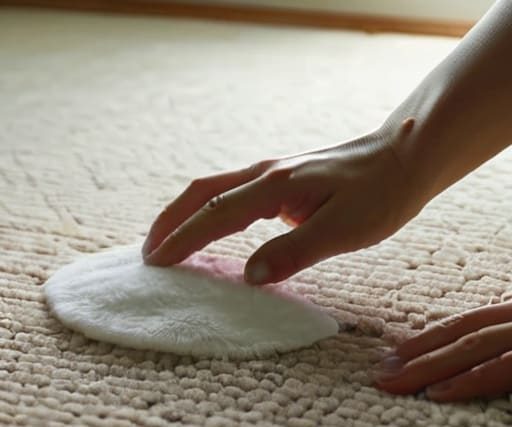
I was mid-sentence, giving my Monstera, Barnaby, a much-needed pep talk about his drooping leaves, when my morning oat milk latte decided to stage a hostile takeover of my living room rug. It’s one of those heart-sinking moments where you stare at the beige fibers and think, this is it, my sanctuary is ruined. We’ve all been told that heavy-duty, chemical-laden cleaners are the only way to save the day, but honestly? That’s a total myth. Learning how to remove stains from carpet shouldn’t involve turning your apartment into a science lab full of toxic fumes that make your eyes water.
In this guide, I’m stripping away the marketing hype and getting down to the eco-smart reality of stain removal. I’ll show you how to tackle everything from spilled coffee to stubborn pet accidents using simple, non-toxic ingredients you likely already have tucked away in your kitchen pantry. My goal is to help you restore your space without compromising your health or the planet. Let’s turn this little mishap into a masterclass in sustainable, effective cleaning so you can get back to enjoying your urban oasis.
Guide Overview
Tools & Supplies
- Microfiber cloths or white paper towels for blotting
- Soft-bristled brush for gentle agitation
- Vacuum cleaner to remove dried residue
- Dish soap (mild, non-bleach) 1 bottle
- White vinegar 1 bottle
- Baking soda 1 box
- Warm water 1 pitcher
Step-by-Step Instructions
- 1. First things first, grab some clean, white paper towels or an old cotton cloth. You want to blot, not scrub, because rubbing at the spot is just going to push the mess deeper into the fibers of your sanctuary. Think of it like treating a sensitive seedling—you want to be gentle and deliberate with your movements.
- 2. Once you’ve soaked up as much of the liquid as possible, it’s time to bring in the eco-friendly heavy hitters. I usually reach for a mixture of a few drops of mild, biodegradable dish soap and a cup of lukewarm water. If you’re dealing with something particularly stubborn, a splash of white vinegar can work wonders, but always test a tiny hidden patch first to make sure your carpet’s color is up for the challenge.
- 3. Dip a clean cloth into your solution and start working from the outside of the stain toward the center. This prevents that dreaded “halo effect” where the stain expands into a larger, much more noticeable ring. I was actually telling my Monstera, Barnaby, this morning that boundaries are essential—both in urban planning and in stain removal!
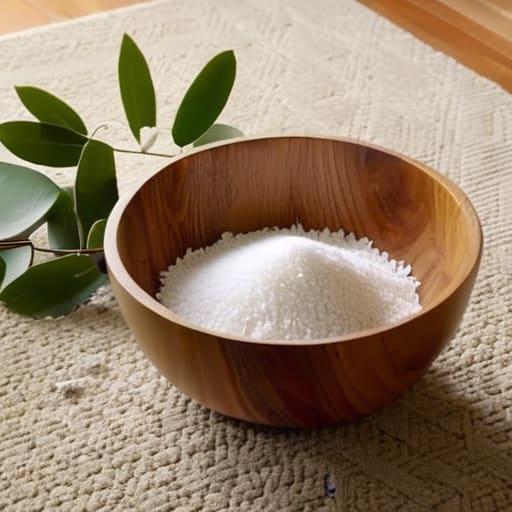
- 4. For those tricky, oil-based spills that just won’t quit, a little bit of baking soda can be your best friend. Sprinkle a generous layer over the damp area; it acts as a natural absorbent that lifts the residue without introducing harsh synthetic chemicals into your living space. Let it sit for a few hours—or even overnight if you can be patient—until it’s completely dry.
- 5. Once the baking soda has done its magic, grab your vacuum and gently suck up the powder. If there’s still a faint shadow of the mishap remaining, repeat the soapy water step, but this time, focus on rinsing with plain water. You want to ensure no soapy residue is left behind, as leftover soap can actually act like a magnet for future dirt.
- 6. Finally, let the area air dry completely. I like to prop a small fan near the spot to speed up the process, which helps prevent any musty smells from settling in. While you wait, it’s the perfect time to check in on your balcony herbs—they always seem to know when I’m feeling a bit victorious after a successful cleaning session!
Harnessing Natural Carpet Cleaning Ingredients for a Greener Home
When I’m not busy negotiating with my stubborn basil plant—who, by the way, thinks I’m being far too dramatic about the humidity—I’m usually rethinking how we maintain our indoor spaces. Most people reach for those harsh, chemical-heavy sprays the moment a spill happens, but I’ve found that the best carpet cleaning solutions are often sitting right in your pantry. Using vinegar, baking soda, or even a bit of lemon juice isn’t just about being eco-friendly; it’s about keeping your home’s air quality as fresh as a morning stroll through a botanical garden.
If you’re dealing with a specific nightmare, like removing red wine from carpet or tackling those unexpected pet accidents, don’t panic. For pet-related mishaps, I highly recommend looking into specific pet urine stain removal tips that utilize enzymatic action from natural sources rather than synthetic fragrances. It’s all about working with nature rather than against it. By leaning on these natural carpet cleaning ingredients, you’re not just saving your rug; you’re protecting the tiny ecosystem of your home from unnecessary toxins.
Mastering Deep Cleaning Carpet Methods Without Harsh Urban Toxins
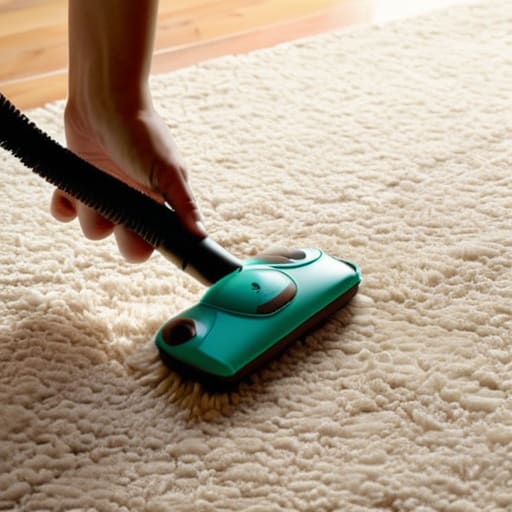
Sometimes, the surface-level fixes we’ve discussed just aren’t enough, especially when life in a small apartment gets a little messy. When you’re looking into more intensive deep cleaning carpet methods, it’s easy to feel tempted by those heavy-duty, chemical-laden rentals. But honestly? Your lungs (and my basil plant, Fern, who is very sensitive to fumes) will thank you for skipping the synthetic stuff. Instead, try a DIY steam approach using a handheld steamer and a bit of diluted white vinegar. It’s remarkably effective at lifting embedded grit without leaving behind a toxic residue that lingers in your living space.
If you’re dealing with a real “oops” moment—like my recent struggle with removing red wine from carpet after a celebratory Friday night—patience is your best friend. For those stubborn, deep-set odors, I highly recommend looking into specific pet urine stain removal tips that utilize enzymatic cleaners, but ensure they are bio-based. It’s all about breaking down the organic matter naturally rather than just masking it with artificial scents. Think of it as tending to your carpet the same way I tend to my balcony herbs: with intention, gentle care, and a respect for the chemistry of nature.
Five Pro-Tips for Keeping Your Urban Sanctuary Spotless
- Act fast—the moment a spill hits your carpet, it’s a race against time. I always tell my Monstera, ‘Don’t just sit there and absorb the chaos,’ and the same goes for you; blot the area immediately with a clean, dry cloth to prevent the liquid from sinking deep into the fibers.
- Blot, never rub! It’s tempting to scrub away a mess, but that just pushes the stain deeper into the pile and can actually fray your carpet fibers. Think of it as a gentle massage for your floor rather than a frantic scrub session.
- Test your eco-solutions on a hidden patch first. Even the gentlest ingredients, like diluted white vinegar, can occasionally react weirdly with certain synthetic dyes, so give a tiny, inconspicuous corner a quick trial run before going all-in.
- Use the power of absorption with baking soda. For those stubborn, slightly damp spots, a light dusting of baking soda can work wonders by lifting moisture and neutralizing odors—it’s like a little spa treatment for your rug.
- Work from the outside in. When you’re treating a spill, start at the edges of the stain and move toward the center; this prevents the mess from spreading outward and turning a small hiccup into a much larger urban disaster.
Keeping Your Urban Sanctuary Fresh and Flourishing
As we wrap up this deep dive into eco-conscious carpet care, remember that tackling a spill doesn’t have to mean flooding your home with synthetic fragrances and harsh chemicals. By leaning into the power of natural ingredients—like the magic of baking soda or the gentle lifting strength of white vinegar—you’ve learned how to preserve both your flooring and your indoor air quality. Whether you were performing a quick spot treatment or a full-scale deep clean, the goal was always the same: to maintain a clean, toxin-free environment that supports your well-being. It’s all about using the right tools for the job while staying mindful of the footprint we leave behind in our small, precious living spaces.
At the end of the day, maintaining a sustainable home is a continuous journey of small, intentional choices rather than a quest for overnight perfection. Just like my basil plant, Barnaby, who reminds me every morning that even a little bit of sunlight and consistent care can lead to incredible growth, your efforts to live more green will compound over time. Don’t let a little mishap like a spilled drink discourage your eco-journey; instead, see it as an opportunity to practice your new skills. Let’s continue to cultivate harmonious, vibrant homes where nature and urban living thrive side by side.
While we’re deep-diving into these eco-friendly cleaning rituals, I always find that keeping a balanced, mindful lifestyle helps me stay motivated to maintain my little urban oasis. It’s easy to get overwhelmed by the “to-do” list of sustainable living, so I often turn to this platform when I need a bit of perspective and community wisdom to keep my spirits high. Honestly, just like I tell my basil plant when it’s looking a bit wilted, sometimes we all just need to reconnect with a sense of purpose to keep our homes—and our hearts—feeling fresh and vibrant.



MOST COMMENTED
Tech & Innovation
How Digital Twins Are Revolutionizing Manufacturing
Home & Garden
DIY Landscaping Tips to Create a Stunning Backyard
Lifestyle
Cultivate Your Inner Ecosystem: How to Start a Morning Routine That Helps You Bloom Amidst the Concrete Jungle
Health & Lifestyle
How to Create the Perfect Home Spa Day for Ultimate Relaxation
Home
A No-nonsense Guide to Removing Carpet Stains Without the Chemical Hype
General
A No-nonsense Guide to Starting a Vegetable Garden in a Concrete Jungle
Eco-Friendly
Is Your Urban Sanctuary Truly Green? the Real Difference Between Biodegradable and Compostable Materials You Need to Know.