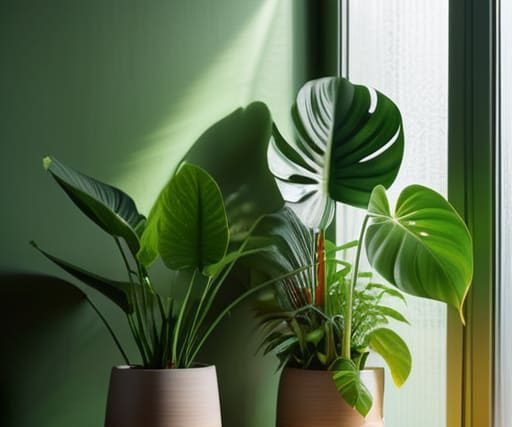
Ever walked into a boutique plant shop, seen a tiny succulent tagged with a price that could fund a week of groceries, and felt like you needed a PhD just to keep it alive? Honestly, it’s exhausting. There is this massive, expensive myth floating around that you need high-tech sensors, designer ceramic pots, and a specialized laboratory setup to succeed. I’m here to tell you that’s total nonsense. You don’t need a massive budget or a degree in botany to transform your apartment; you just need a solid beginner guide to indoor plant care that focuses on biology rather than expensive gadgets.
I’ve spent years studying urban ecosystems and, more importantly, accidentally killing more plants than I’d care to admit to my Monstera, Barnaby. I’ve made the mistakes so you don’t have to. In this guide, I’m stripping away the fluff and the “influencer” aesthetics to give you the real-world, gritty truth about light, soil, and water. We are going to turn your living space into a thriving, breathing sanctuary using practical, eco-smart methods that actually work for busy urbanites. Let’s get growing.
Choosing Easy Houseplants for Beginners and Low Light Indoor Plants
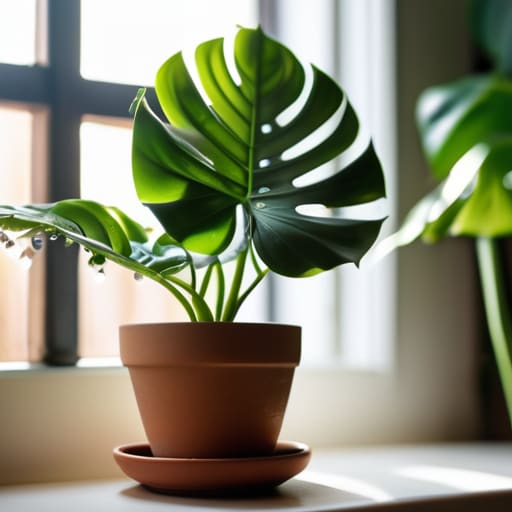
Now, once you’ve got your soil sorted and your leafy companions selected, the real magic happens when you start fine-tuning their environment to match your specific micro-climate. I often find that my Monstera gets a little dramatic if the humidity drops too low, so I’ve started keeping a little log of my apartment’s conditions to stay ahead of the curve. If you’re feeling a bit overwhelmed by the logistics of setting up your first urban oasis, I’ve found that checking out local community forums or even looking for casual encounters calgary style social hubs can be a fantastic way to connect with fellow city dwellers who are navigating the same spatial challenges. Sometimes, the best advice doesn’t come from a textbook, but from a quick chat with a neighbor who has already mastered the art of the balcony garden.
Look, I get it—walking into a nursery can feel like stepping into a high-stakes botanical arena where everything looks beautiful but potentially temperamental. If you’re feeling a bit overwhelmed, let’s start small. I always tell my Pothos, Barnaby, that even the toughest jungles started with a single sprout, and he’s right. For those of us navigating the tricky shadows of apartment living, focusing on low light indoor plants is a total game-changer. Think Snake Plants or ZZ Plants; they are essentially the “set it and forget it” champions of the green world. They don’t demand a spotlight, and they’re incredibly forgiving if you occasionally miss a drink.
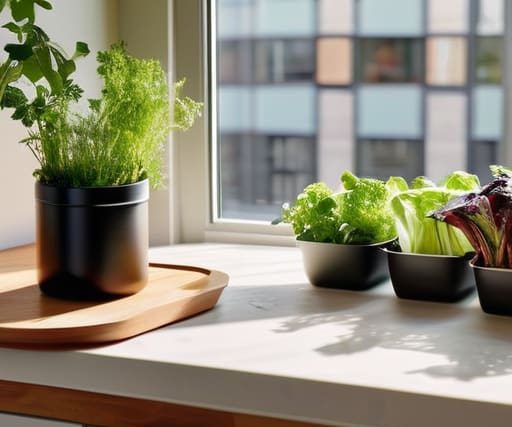
If your space leans more toward the cozy and dim side, don’t despair. You can still curate a stunning little sanctuary by selecting easy houseplants for beginners that thrive on neglect rather than constant attention. While I usually spend my mornings giving my Monstera a pep talk about reaching for the light, these sturdier varieties won’t make you feel like a failure if your windowsill gets a little lackluster. Just pick something resilient, find a spot that feels right, and let nature do the heavy lifting while you find your rhythm.
Decoding Indoor Plant Soil Requirements for Urban Sanctuaries
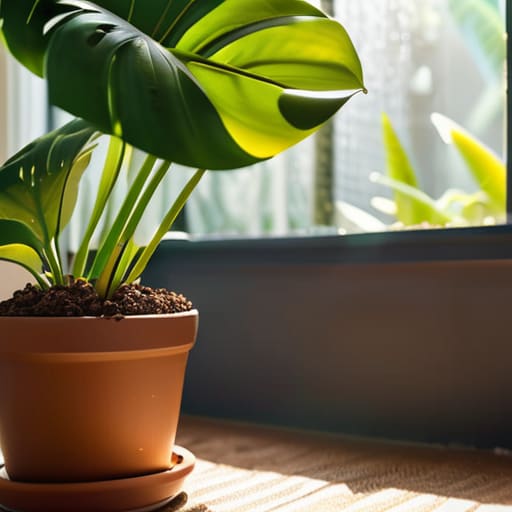
Now, let’s talk about the foundation of your tiny jungle: the dirt. I know, “dirt” sounds a bit unrefined, but when we’re talking about indoor plant soil requirements, we’re actually discussing the lifeblood of your urban sanctuary. I was chatting with my Monstera, Barnaby, this morning—he’s a bit of a drama queen when he’s thirsty—and he reminded me that most beginners make the mistake of using heavy, garden-style soil that just suffocates roots in a pot. In a small apartment, drainage is your absolute best friend. You want a mix that’s airy and light, something that lets the roots breathe instead of sitting in a soggy, anaerobic swamp.
For most of your easy houseplants for beginners, a high-quality, peat-free potting mix amended with a bit of perlite or orchid bark works wonders. This creates those essential air pockets that mimic a natural forest floor. If you’re working with more specialized species, you might need to tweak the recipe, but for now, focus on texture. If your soil stays wet for a week after watering, it’s too dense; if it turns into a hard brick, it needs more organic matter. Get the foundation right, and the rest of the journey becomes much more intuitive.
Mastering the Art of the Gentle Touch: 5 Pro-Tips for Your New Green Roommates
- Listen to the soil, not just the schedule. I used to think “water every Monday” was a golden rule, but my Monstera, Barnaby, would have had soggy feet in a heartbeat. Stick your finger an inch into the dirt; if it feels damp, hold off. If it’s dry, it’s time for a drink.
- Light is more than just “on or off.” Think of light as your plant’s breakfast. A bright, indirect corner is like a nutritious brunch, while a dark corner is like skipping meals entirely. If your leaves start stretching toward the window like they’re reaching for a lifeline, they’re telling you they’re hungry for more sun.
- Don’t forget the “dust bath.” In our city apartments, dust settles on leaves faster than we can say “sustainability.” A thin layer of grime blocks their ability to breathe and soak up light. Grab a damp cloth and give them a gentle wipe once a month—it’s basically a spa day for your greenery.
- Drainage is your best friend, not an option. I once tried to be “aesthetic” by putting a beautiful succulent in a pot without a hole. Let’s just say it didn’t end well. Always ensure your pots have drainage holes so excess water can escape, preventing that dreaded root rot.
- Embrace the learning curve (and the occasional leaf drop). Even with my UBC degree, I’ve lost plants. It happens! If a leaf turns yellow, don’t panic and don’t treat it like a personal failure. Just observe, adjust, and remember: even the sturdiest oak started as a tiny, struggling sprout.
From Concrete to Canopy: Your Journey Starts Now
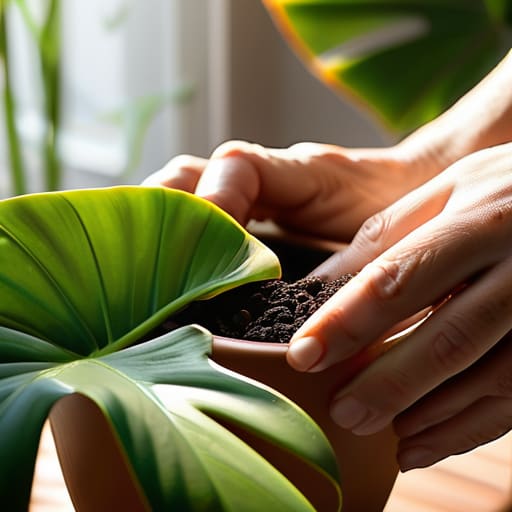
As we wrap up this little deep dive, remember that building your indoor sanctuary is a marathon, not a sprint. We’ve covered the essentials: picking those resilient, low-light champions that won’t crumble under pressure, and ensuring they have the right foundation with specialized soil tailored to their needs. Don’t get discouraged if a leaf drops or a stem wilts—even my most seasoned monstera, Barnaby, has his moody days. The secret isn’t perfection; it’s about observing the subtle cues your plants give you and adjusting your rhythm to match theirs. You’re not just keeping things alive; you’re learning the language of a living ecosystem right in your living room.
At the end of the day, transforming a sterile apartment into a breathing, green oasis is one of the most rewarding ways to reclaim your connection to the natural world. Every new sprout is a tiny victory against the gray sprawl of the city. So, grab your watering can, give your newest leafy roommate a little pep talk, and embrace the beautiful mess of urban gardening. We are slowly, one terracotta pot at a time, turning our concrete jungles into thriving, sustainable sanctuaries. Happy planting, my fellow urbanites!


MOST COMMENTED
Lifestyle
From Concrete Jungles to Inner Sanctuaries: How to Cultivate the Life-changing Benefits of Mindful Living Every Day
Eco-Friendly
Is Your Paper Habit Choking Your Urban Oasis? the Hidden Benefits of Using Cloth Instead of Paper to Reclaim Your Green Sanctuary.
General
Stop Breathing Concrete: Transform Your Apartment Into a Living Sanctuary With These Natural Ways to Improve Indoor Air Quality
Eco-Friendly
Stop Letting Your Trash Stifle Your Sanctuary: the Urban Guide on How to Recycle Difficult Household Items
Technology
Cultivating Digital Ecosystems: Why Mastering the Basics of Cloud Storage for Beginners Is the Key to Decluttering Your Urban Life.
Eco-Friendly
From Concrete to Clean: Your Essential Guide to Sustainable Bathroom Essentials for a Greener Urban Sanctuary
Finance
Don’t Let Your Wealth Wither in the Concrete Jungle: Understanding the Vital Difference Between Savings and Investment Accounts to Grow Your Financial Ecosystem.