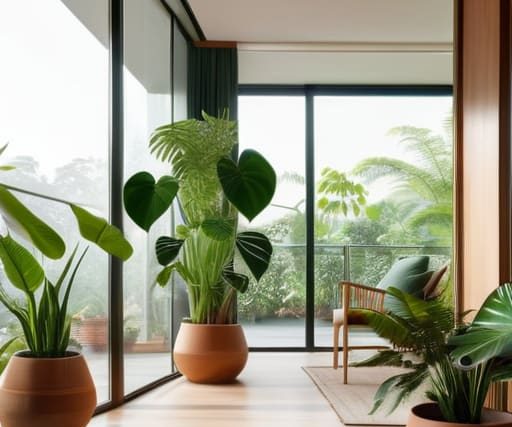
I was sitting on my balcony last Tuesday, mid-pep talk with my slightly dramatic Monstera (she’s having a bit of a leaf-drop crisis, bless her), when it hit me: I’d spent more money on “high-tech” air purifiers than I had on my actual groceries. It’s one of those urban myths that tells us we need a thousand-dollar gadget to solve our respiratory woes. Honestly, most of the expensive, flashy solutions marketed to us are just glorified fans that don’t address the root of the problem. If you’re looking for complicated, overpriced gimmicks, you’re in the wrong place; I’m here to talk about real, grounded ways to improve indoor air quality without draining your bank account or turning your living room into a laboratory.
I’m not going to feed you any pseudo-scientific fluff or suggest you move to a remote forest. Instead, I’m sharing the practical, science-backed strategies I’ve gathered from years of urban planning and, more importantly, from my own cramped apartment experiments. We’re going to look at how to leverage nature, optimize your ventilation, and make small, intentional shifts that actually work. Let’s turn your space from a stagnant box into a living, breathing sanctuary.
Defeating Common Indoor Air Pollutants With Green Solutions
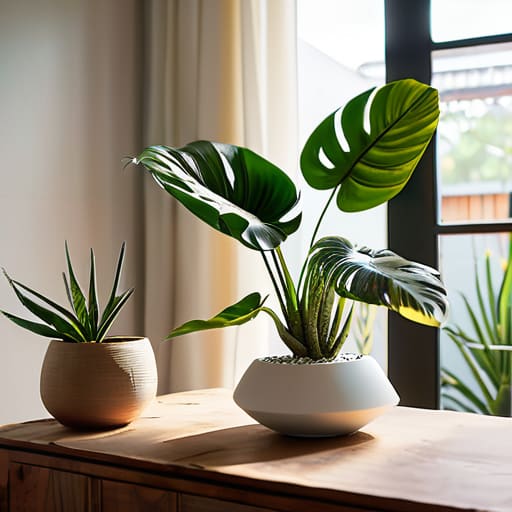
Let’s get real for a second: our apartments can sometimes feel like tiny, closed-off boxes where stale air just hangs around, refusing to leave. We’re often dealing with common indoor air pollutants like VOCs from our furniture or even tiny dust particles that seem to appear out of nowhere. While I’m a huge fan of the technical side—and don’t get me wrong, I can geek out on HEPA air purifier benefits any day—I truly believe the most rewarding approach is integrating living, breathing filters into our decor.
I was chatting with my Monstera, Monty, this morning about it. I told him, “Listen, buddy, we need you to step up your game and start scrubbing that air!” He didn’t say much (typical), but he’s definitely working on it. By strategically placing plants like Snake Plants or Peace Lilies around your living space, you’re leaning into natural ways to clean indoor air without needing a massive, humming machine in the corner. It’s about creating a living filtration system that works silently in the background while adding a much-needed splash of life to your urban sanctuary.
Unlocking Hepa Air Purifier Benefits for Your Urban Oasis
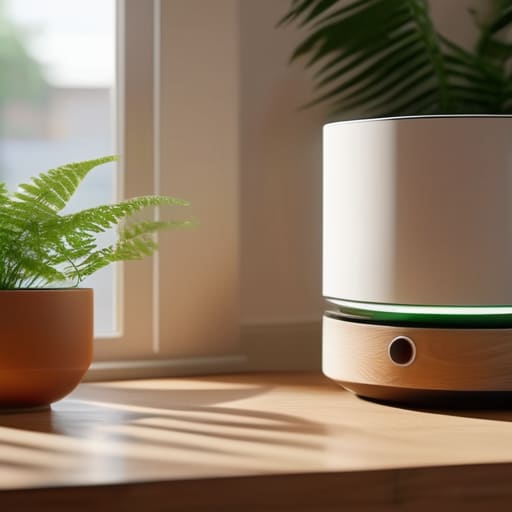
Now, while I’m a huge advocate for my leafy roommates, I’m also a pragmatist. Sometimes, even a small army of ferns can’t keep up with the sheer volume of dust and urban grit that sneaks through your window seals. This is where technology steps in to play backup. Investing in a high-quality filter is one of the most effective ways of reducing household allergens like pet dander, pollen, and that fine city soot that seems to settle on everything. Think of a HEPA filter as the high-tech bodyguard for your urban sanctuary, silently working in the background while you sip your morning coffee.
When we talk about the specific HEPA air purifier benefits, we’re looking at a device that can capture 99.97% of microscopic particles. I often tell my Monstera, ‘Look, even you need a little tech support sometimes!’ It’s not about replacing the natural magic of plants, but rather creating a layered defense system. By combining the biological filtration of your greenery with the mechanical precision of a purifier, you’re ensuring your indoor ecosystem is as crisp and clean as a mountain breeze.
Small Shifts, Big Breaths: My Top 5 Hacks for Fresher Air
- Master the art of the “Cross-Breeze Shuffle.” I know, I know, the city smog can be intimidating, but opening your windows on opposite sides of your apartment for just ten minutes a day creates a natural ventilation current that flushes out stale air and trapped pollutants far better than any candle ever could.
- Treat your textiles like living things. Our rugs, curtains, and even that cozy sofa act like giant sponges for dust and allergens. Giving them a good vacuuming with a HEPA-filter attachment once a week is a total game-changer for keeping those microscopic irritants from floating around your breathing zone.
- Cook with a little more intention. Sautéing onions or searing protein can send a cloud of particulate matter straight into your lungs. I always make sure my vent hood is running on high, or I’ll crack a window nearby—think of it as giving your kitchen a quick, refreshing exhale.
- Keep your “leafy roommates” dust-free. This is a big one for my fellow plant lovers! If dust settles on your pothos or monstera leaves, it actually blocks their ability to photosynthesize and “breathe.” I like to gently wipe them down with a damp cloth once a week; it keeps them happy, and it keeps your air cleaner.
- Swap out the “scent-heavy” for the “scent-natural.” Those synthetic plug-ins and heavily perfumed candles might smell like a summer meadow, but they’re often just dumping VOCs (volatile organic compounds) into your sanctuary. If you want a vibe, try a high-quality essential oil diffuser or, better yet, just let the natural scent of your thriving indoor jungle do the heavy lifting.
Breathing Easy in the Concrete Jungle
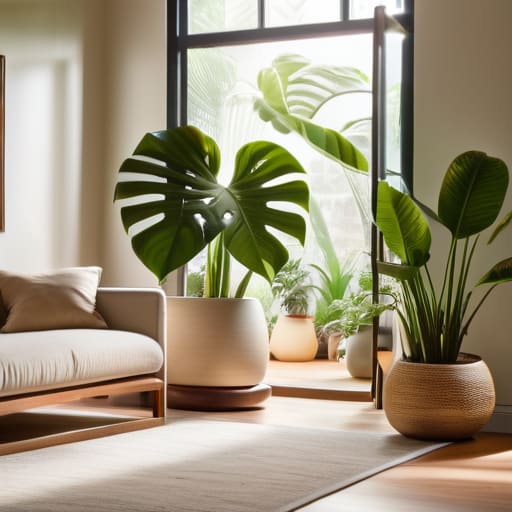
At the end of the day, cleaning up your indoor air isn’t about achieving some impossible standard of perfection; it’s about making intentional, small shifts that compound over time. Whether you’re strategically placing a few leafy roommates to scrub those pesky toxins or investing in a high-quality HEPA purifier to handle the heavy lifting, you are actively reclaiming your personal environment. We’ve looked at how greenery acts as a natural filter and how technology can bridge the gap when nature needs a little backup. By combining these biological and mechanical tools, you’re not just cleaning the air—you’re building a resilient micro-ecosystem right inside your own living room.
I often find myself leaning over my basil plant, Barnaby, during my morning coffee, reminding him that even in a tiny terracotta pot, he’s doing the vital work of an urban warrior. I think we can all take a page out of his little leafy book. Transforming your apartment into a breathable sanctuary might feel like a small task in the grand scheme of a bustling city, but these small, sustainable victories are what make urban living truly soulful. So, go ahead—grab a new plant, check your filters, and take a deep, clean breath. You’ve earned it, and your lungs (and your plants) will definitely thank you.
While we’re busy curating our botanical collections and fine-tuning our air filtration, I’ve found that the mental clarity we gain from a cleaner environment is just as vital as the physical benefits. It’s all about creating a space where you can truly unwind and feel connected to the world around you, whether that’s through a deep breath of oxygen-rich air or finding meaningful ways to engage with your local community. If you’re looking to expand your social horizons beyond your balcony walls, exploring something like toronto casual encounters can be a great way to reconnect with the city’s pulse and find that human element that makes urban living so vibrant.


MOST COMMENTED
Lifestyle
From Concrete Jungles to Inner Sanctuaries: How to Cultivate the Life-changing Benefits of Mindful Living Every Day
Eco-Friendly
Is Your Paper Habit Choking Your Urban Oasis? the Hidden Benefits of Using Cloth Instead of Paper to Reclaim Your Green Sanctuary.
General
Stop Breathing Concrete: Transform Your Apartment Into a Living Sanctuary With These Natural Ways to Improve Indoor Air Quality
Eco-Friendly
Stop Letting Your Trash Stifle Your Sanctuary: the Urban Guide on How to Recycle Difficult Household Items
Technology
Cultivating Digital Ecosystems: Why Mastering the Basics of Cloud Storage for Beginners Is the Key to Decluttering Your Urban Life.
Eco-Friendly
From Concrete to Clean: Your Essential Guide to Sustainable Bathroom Essentials for a Greener Urban Sanctuary
Finance
Don’t Let Your Wealth Wither in the Concrete Jungle: Understanding the Vital Difference Between Savings and Investment Accounts to Grow Your Financial Ecosystem.