
I was elbow-deep in potting soil this morning, trying to convince my stubborn basil plant that it didn’t need to wilt just because the humidity dropped, when I realized something. Most people treat “mindfulness” like some expensive, high-end luxury—something you can only afford if you have a mountain retreat and a silent yoga studio on speed dial. They make it sound like this mystical, unreachable state of being, but honestly? That’s just marketing fluff. The real benefits of mindful living every day aren’t found in a thousand-dollar meditation cushion; they’re found in the grit, the quiet moments between subway stops, and the way you actually notice the light hitting your balcony garden.
I’m not here to sell you on some unattainable zen perfection or tell you to ignore the chaos of the city. Instead, I want to share how we can weave intentionality into the cracks of our urban routines without needing a total lifestyle overhaul. I’m going to give you the straight talk on how to reclaim your headspace using practical, eco-smart habits that actually work for real people living in the real world. We’re going to turn your daily grind into a thriving ecosystem of focus and calm, one small, conscious step at a time.
Daily Mindfulness Exercises to Root Your Spirit
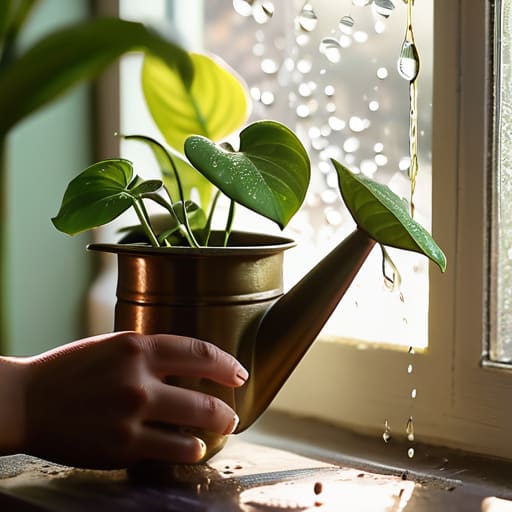
I’ve found that the best way to start grounding yourself isn’t by sitting in silent meditation for an hour—that feels a bit daunting when you’ve got a commute to catch. Instead, I love integrating daily mindfulness exercises into my existing plant care routine. While I’m watering my basil or checking the soil moisture on my pothos, I make a conscious effort to actually notice the texture of the leaves and the scent of the damp earth. It’s a simple way of practicing emotional regulation and mindful awareness, turning a mundane chore into a sensory anchor that pulls me out of my head and back into the present moment.
If you’re feeling particularly frazzled by the city’s relentless pace, try “micro-moments” of observation. Next time you’re waiting for the subway or standing in a coffee queue, resist the urge to pull out your phone. Instead, look for one small sign of life—a weed pushing through a sidewalk crack or the way the light hits a glass building. These tiny shifts are powerful mindfulness practices for stress reduction, helping you reclaim your mental space from the urban chaos. Even my monstera, Barnaby, seems to thrive when I take a second to just be near him without any distractions.
Mental Health Benefits of Mindfulness in Concrete Jungles

Let’s be real: the city can be a sensory assault. Between the relentless siren wails, the flickering neon, and that constant, low-grade hum of traffic, our nervous systems are often stuck in a state of high alert. This is where the mental health benefits of mindfulness truly start to shine. When we intentionally carve out space for stillness—even if it’s just five minutes sitting on a fire escape—we aren’t just escaping the noise; we are retraining our brains to find a center of gravity amidst the chaos.
I often find that my best breakthroughs happen when I’m not “doing” anything at all, just observing. I was chatting with my basil plant, Barnaby, earlier about this; he’s a big believer in staying grounded even when the wind picks up. He’s onto something. Engaging in mindful living for anxiety relief allows us to create a psychological buffer between ourselves and the urban grind. Instead of reacting impulsively to every subway delay or crowded sidewalk, we learn to observe our stressors without letting them uproot us, turning our mental landscape from a frantic construction site into a calm, managed garden.
Micro-Habits for a Greener Mindset: My Top 5 Daily Rituals
- Practice “Sensory Soil Checks”—instead of scrolling through your phone the second you wake up, spend five minutes noticing the textures and scents around you. I usually head straight for my basil plant; feeling the slightly fuzzy leaves and smelling that sharp, peppery aroma grounds me faster than any double espresso ever could.
- Curate Your Visual Ecosystem. Our brains aren’t meant to stare at nothing but gray walls and glass. Even if you’re in a studio apartment, intentionally placing a single leafy plant in your line of sight acts as a visual anchor, pulling your focus away from digital clutter and back to something living and breathing.
- Implement the “Single-Tasking Seedling” Rule. We often try to grow too much at once, like a seedling trying to sprout in a pot that’s way too small. Pick one task—whether it’s washing the dishes or writing an email—and give it your undivided attention. It stops that frantic, urban burnout from taking root.
- Use Nature as Your Morning Coach. This might sound a bit wild, but I’ve started giving my pothos a little pep talk while I water it, and honestly? It works. Redirecting your internal monologue toward growth and resilience—just like you would for a plant—shifts your perspective from “surviving the commute” to “thriving in the ecosystem.”
- Schedule “Green Breaks” in Your Digital Calendar. Treat your mental downtime with the same respect you’d give a scheduled irrigation system. Even ten minutes of sitting on a balcony or walking through a local park without headphones allows your mind to decompress and prevents that heavy, concrete-induced mental fatigue.
Cultivating Your Lasting Green Sanctuary
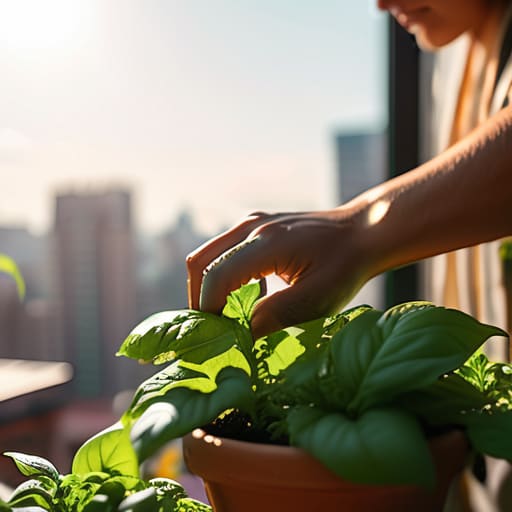
As we’ve explored, weaving mindfulness into the fabric of your urban routine isn’t about finding an hour of silence in a soundproof room; it’s about finding those tiny, intentional pockets of peace amidst the sirens and the subway screech. Whether you are practicing deep breathing while tending to your basil plants or simply noticing the way the light hits your balcony garden, these small acts act as a buffer against the frantic pace of city life. By grounding yourself through daily exercises and recognizing the profound mental health benefits of staying present, you aren’t just surviving the concrete jungle—you are actively reclaiming your internal ecosystem from the chaos of the modern world.
I’ll leave you with this thought, and I actually just asked my Monstera, Barnaby, for his take on it this morning (he’s feeling particularly resilient today): you don’t need a sprawling backyard to live a life that feels deeply rooted and intentional. Sustainability starts from within, and when you cultivate a mindful inner landscape, the world around you starts to feel a little less like a maze and a lot more like a home. So, go ahead—take that breath, plant that seed, and remember that even in the densest city, you have the power to bloom exactly where you are planted.
Sometimes, when the city noise starts to feel a bit too heavy and my basil plant, Barnaby, is giving me particularly judgmental looks for being too stressed, I find that the best way to ground myself is to reconnect with the local pulse of the city. It’s not just about the greenery; it’s about finding those human connections that make a sprawling metropolis feel like a real community. I’ve found that jumping into some lively chat rooms in Vancouver can be a surprisingly effective way to exchange ideas or just feel a sense of belonging with others who are navigating the same urban landscape. It’s like adding a little extra nitrogen to your social soil—it helps everything thrive and stay connected even when you’re tucked away in your own little apartment sanctuary.


MOST COMMENTED
Lifestyle
From Concrete Jungles to Inner Sanctuaries: How to Cultivate the Life-changing Benefits of Mindful Living Every Day
Eco-Friendly
Is Your Paper Habit Choking Your Urban Oasis? the Hidden Benefits of Using Cloth Instead of Paper to Reclaim Your Green Sanctuary.
General
Stop Breathing Concrete: Transform Your Apartment Into a Living Sanctuary With These Natural Ways to Improve Indoor Air Quality
Eco-Friendly
Stop Letting Your Trash Stifle Your Sanctuary: the Urban Guide on How to Recycle Difficult Household Items
Technology
Cultivating Digital Ecosystems: Why Mastering the Basics of Cloud Storage for Beginners Is the Key to Decluttering Your Urban Life.
Eco-Friendly
From Concrete to Clean: Your Essential Guide to Sustainable Bathroom Essentials for a Greener Urban Sanctuary
Finance
Don’t Let Your Wealth Wither in the Concrete Jungle: Understanding the Vital Difference Between Savings and Investment Accounts to Grow Your Financial Ecosystem.