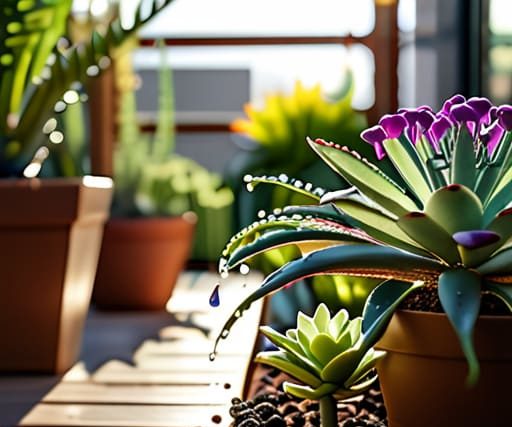
I was standing on my balcony yesterday, mid-argument with my slightly dramatic basil plant, Barnaby, when I realized something: most of the “expert” advice out there on how to save water in your garden is absolute nonsense designed to sell you expensive, high-tech gadgets you don’t actually need. I’m tired of seeing people convinced that they need a smart-sensor irrigation system costing a month’s rent just to keep a few tomato plants happy. Honestly, if we want to tackle urban water scarcity, we need to stop looking for magic technological fixes and start looking at the simple, gritty physics of how our little green patches actually breathe and drink.
Now, if you’re feeling a bit overwhelmed by the logistics of transitioning to a more water-wise setup, don’t let it wilt your spirit—even my basil plant, Barnaby, gets a little anxious when things change too fast. I’ve found that the best way to navigate these shifts is to lean on collective wisdom rather than trying to reinvent the wheel in isolation. I’ve been spending a lot of my downtime lately chatting with the T4mperth community, and honestly, their shared insights on resourceful urban growing have been a total game-changer for my own balcony experiments. It’s such a relief to realize that we’re all just trying to figure out this green balancing act together, one drop at a time.
I’m not here to sell you a lifestyle overhaul or a suite of overpriced gadgets. Instead, I’m going to share the no-nonsense, dirt-under-the-fingernails strategies I’ve gathered from years of navigating tight urban spaces and studying ecosystem resilience. We’re going to talk about real-world tactics—from clever mulching to timing your hydration like a pro—that actually work in a concrete jungle. My promise to you is simple: no fluff, no hype, just practical, eco-smart wisdom to help your sanctuary thrive without draining your bank account or the city’s supply.
Embracing Xeriscaping Principles for Thriving Balconies
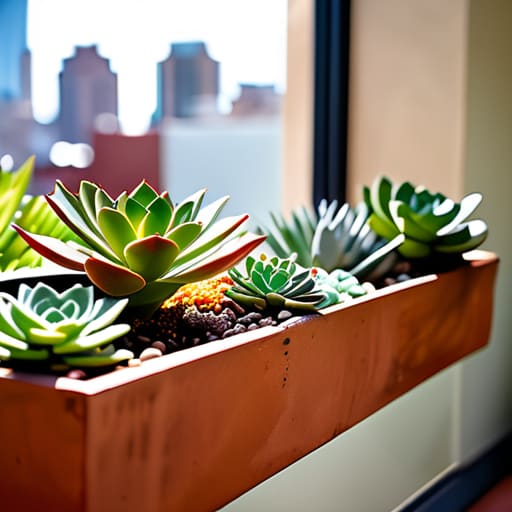
Now, I know what you’re thinking: “Nathan, xeriscaping sounds like something only massive desert estates do.” But trust me, it’s actually a secret weapon for the small-scale urbanite. At its heart, applying xeriscaping principles to a balcony or a tiny patio isn’t about creating a barren wasteland; it’s about working with the local climate rather than fighting against it. I spent twenty minutes this morning giving my succulents a pep talk—they’re basically the marathon runners of the plant world—and it reminded me how much easier life is when you choose species that actually want to be there.
Instead of forcing thirsty, high-maintenance tropicals to survive in a wind-swept concrete corner, try leaning into drought tolerant plants like lavender, rosemary, or even certain types of sedum. These little warriors are built for efficiency. To really lock in those savings, don’t skip the layer of organic mulch on top of your pots. It acts like a cozy little blanket, significantly aiding in mulching for moisture retention so you aren’t constantly running back and forth with the watering can. It’s all about creating a tiny, self-sustaining ecosystem that thrives on much less.
Choosing Drought Tolerant Plants for Concrete Sanctuaries
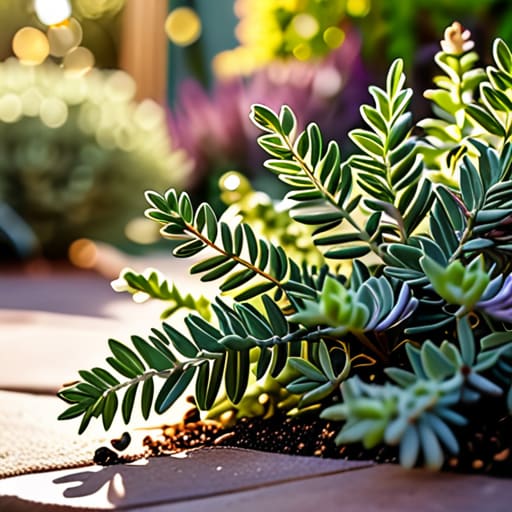
Now, let’s talk about the real MVPs of the urban jungle: drought tolerant plants. If you’re tired of playing “will they, won’t they” with your succulents every time the heatwave hits, it’s time to pivot your plant selection. I recently had a very intense pep talk with my Lavender—she’s a bit of a drama queen, but she’s incredibly resilient once she settles in. By choosing species like rosemary, sage, or even certain varieties of sedum, you’re essentially hiring a team of low-maintenance experts that don’t need a constant IV drip of water to look fabulous.
The secret isn’t just about what you plant, but how you prepare their little homes. I always tell my succulents that a good foundation is everything. Incorporating more soil organic matter benefits your pots by creating a sponge-like texture that holds onto hydration much longer than cheap, sandy mixes. It’s about building a tiny, efficient ecosystem right there in your planter. When you pair these hardy species with a bit of smart soil prep, you aren’t just gardening; you’re engineering a tiny, self-sustaining miracle amidst the concrete.
Smart Sips: My Go-To Tactics for Making Every Drop Count
- Timing is everything, folks. I’ve learned the hard way that watering in the heat of the afternoon is basically just giving your plants a lukewarm bath they didn’t ask for. Aim for the early morning or late evening when the sun isn’t trying to steal your moisture back immediately. My basil plant, Barnaby, always seems a bit more spirited when he gets his drink before the sun starts beating down.
- Let’s get serious about mulch. Think of it as a cozy, protective blanket for your soil. Spreading a layer of organic mulch—like cedar chips or even compost—around your pots helps lock in that precious hydration and keeps the roots cool. It’s like giving your urban oasis its own little climate-controlled duvet.
- Ditch the overhead spray and get close to the action. Using a watering can or a drip irrigation setup allows you to target the roots directly where the magic happens. When we spray everything from above, half the water just ends up on the balcony floor or evaporating into the city smog before your plants even get a sip.
- Group your plants by their thirst levels—I call this “hydro-zoning.” It sounds fancy, but it’s just common sense. Don’t plant your water-hungry ferns right next to your desert-loving succulents. By grouping plants with similar needs, you won’t end up overwatering one just to keep the other alive. It keeps the whole ecosystem in balance.
- Upcycle your greywater, but do it smart. I always keep a bucket in the shower to catch the cool water while it’s warming up, or use the leftover water from boiling pasta (just make sure it’s unsalted and completely cooled!). It’s a simple way to turn “waste” into a resource for your leafy roommates without needing a degree in environmental science.
Turning the Tide on Urban Thirst
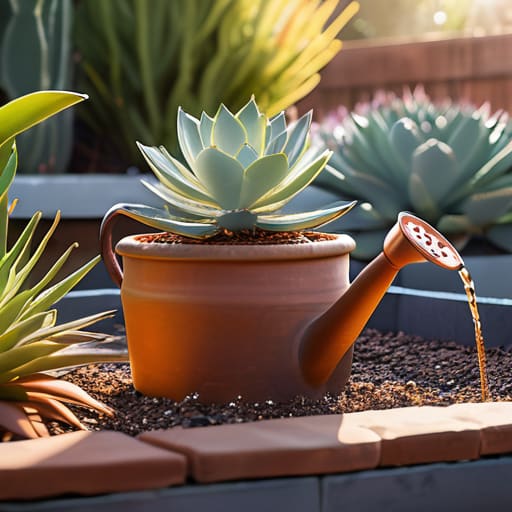
At the end of the day, saving water in your urban oasis isn’t about making massive, sweeping sacrifices; it’s about those small, intentional shifts in how we interact with our little green patches. From embracing the smart logic of xeriscaping to hand-picking those rugged, drought-tolerant beauties that actually thrive on a bit of neglect, we’ve laid the groundwork for a much more efficient sanctuary. Remember, it’s about being mindful of our resources—whether that’s timing your watering for the cool of the morning or making sure every drop finds its way to the roots rather than evaporating off the concrete. It’s a bit of a learning curve, sure, but once you get into the rhythm, you’ll realize that sustainability is just good design.
I was chatting with my rosemary bush, Barnaby, earlier today, and he reminded me that even the toughest plants need a little bit of strategy to flourish in this heat. He’s right. Transforming our concrete jungles into lush, living ecosystems is a marathon, not a sprint, and every little drop you save is a win for the planet. Don’t let the scale of the climate challenge intimidate you; instead, let it fuel your creativity. We have the power to turn our balconies and rooftops into resilient havens that prove nature and city life can indeed dance together. So, grab your watering can, stay optimistic, and let’s keep growing something beautiful.



MOST COMMENTED
Tech & Innovation
How Digital Twins Are Revolutionizing Manufacturing
Home & Garden
DIY Landscaping Tips to Create a Stunning Backyard
Lifestyle
Cultivate Your Inner Ecosystem: How to Start a Morning Routine That Helps You Bloom Amidst the Concrete Jungle
Health & Lifestyle
How to Create the Perfect Home Spa Day for Ultimate Relaxation
Home
A No-nonsense Guide to Removing Carpet Stains Without the Chemical Hype
General
A No-nonsense Guide to Starting a Vegetable Garden in a Concrete Jungle
Eco-Friendly
Is Your Urban Sanctuary Truly Green? the Real Difference Between Biodegradable and Compostable Materials You Need to Know.