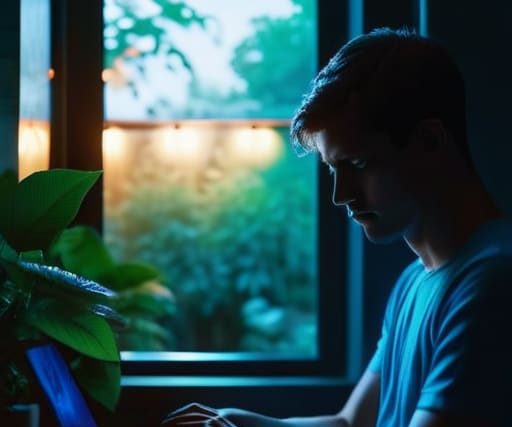
Ever feel like we’ve all collectively traded our souls for a blue-light glow? I was sitting on my balcony last night, trying to give my drooping basil plant a much-needed pep talk about resilience, when I realized just how much the rhythm of the city has shifted. It seems like how people spend their evenings now has become a race toward digital exhaustion—a cycle of mindless scrolling and takeout containers that leaves us feeling more drained than when the sun actually went down. We’ve been sold this idea that “winding down” means plugging into a screen, but honestly, that’s just recharging our burnout rather than our spirits.
I’m not here to preach about some unattainable, high-end wellness retreat or tell you to buy a thousand-dollar meditation pod. Instead, I want to share some real, dirt-under-the-fingernails strategies for reclaiming your twilight hours. I’ll be diving into how we can swap passive consumption for intentional, small-scale rituals that actually nourish us. Whether it’s turning a tiny windowsill into a sensory sanctuary or finding ways to reconnect with the physical world, I promise to give you practical, eco-smart ways to make your evenings feel like a true homecoming.
Escaping the Digital Drain of Modern Leisure Habits
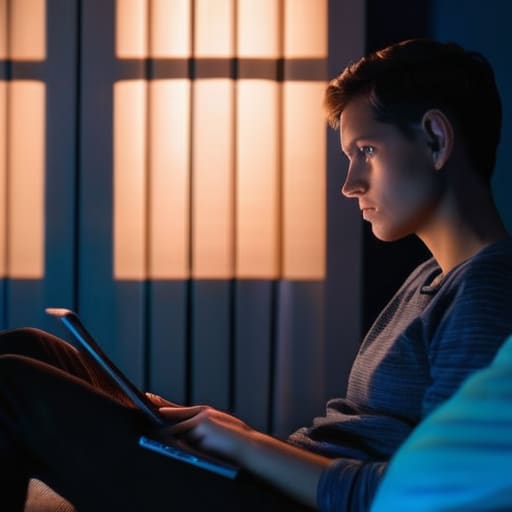
Let’s be honest: for most of us, the transition from “work mode” to “home mode” has become a blurred, glowing mess. We used to finish our shifts and actually leave the office, but now, our digital leisure habits have turned our living rooms into secondary workstations. Instead of a clean break, we find ourselves sliding from a spreadsheet straight into a social media rabbit hole, only to realize two hours have vanished into the void. It’s a strange paradox; we’re more “connected” than ever, yet that constant stream of notifications often leaves us feeling more isolated and mentally taxed than when we started.
I’ve noticed a significant shift in post-pandemic evening routines, where the comfort of our screens has become a bit of a trap. It’s easy to fall into the rhythm of mindless scrolling, but I’ve found that true restoration happens when we intentionally disconnect. I’ve started implementing a “no-screens” rule after 8 PM, opting instead to check in on my basil plants (who, quite frankly, are much better conversationalists than a Twitter feed) or tending to my microgreens. Swapping the blue light for some tactile, earthy engagement is the only way I’ve found to truly reclaim my headspace.
Finding Balance Through Intentional Post Pandemic Evening Routines
If the last few years taught us anything, it’s that the lines between our living rooms and our offices have become incredibly blurry. As we’ve navigated the shift toward more post-pandemic evening routines, I’ve noticed a collective struggle to actually switch off. It’s not just about closing the laptop; it’s about reclaiming that mental space that used to belong to us before the world moved entirely online. I’ve found that without a deliberate transition, we just drift from one screen to another, never truly feeling rested.
Lately, I’ve been leaning heavily into evening wellness rituals that involve a bit more tactile connection to the world. For me, that means stepping onto my balcony to check on my basil—who, by the way, is currently giving me some very stern looks about my watering schedule—and just breathing in the cool night air. It’s about finding those small, intentional moments of stillness that act as a buffer between the chaos of the workday and the need for deep sleep. By prioritizing these tiny, grounded actions, we can start to build a lifestyle that feels less like a marathon and more like a sanctuary.
Small Shifts for a Greener, Calmer Sunset
- Swap the blue light for some low-light living; instead of scrolling through endless feeds, try spending twenty minutes tending to your indoor jungle. My Monstera, Beatrice, always seems to perk up when I’m around, and honestly, her quiet presence is way more grounding than any TikTok trend.
- Micro-gardening as a meditative ritual. You don’t need a backyard to find your zen. Even just pruning a few basil leaves on a windowsill or checking the moisture levels in your planter boxes can act as a sensory reset that pulls you out of that “work-brain” fog.
- Practice “Low-Impact Leisure.” We often think of relaxation as something that requires high energy or high consumption, but try something passive and eco-friendly—like reading a physical book by natural light or listening to a podcast while you prep a plant-based dinner.
- Curate a sensory wind-down. Our cities are loud and chaotic, so reclaim your evening by controlling your environment. Dim the lights, open a window to catch a breeze (if the city air permits!), and use scents like lavender or cedar to signal to your nervous system that the “hustle” is officially over.
- The “One-In, One-Out” rule for evening clutter. Urban living can feel cramped, and mental clutter often follows physical mess. Spend five minutes before bed tidying your immediate space—putting away your tools or clearing your desk—so you wake up to a sanctuary rather than a chaotic workstation.
Reclaiming the Twilight Hours
Looking back at how our evenings have shifted, it’s clear we’re at a bit of a crossroads. We’ve spent years battling the digital drain and trying to navigate the messy, post-pandemic landscape of what “rest” actually looks like. Whether we are fighting the urge to doomscroll or trying to rebuild routines that don’t feel like chores, the goal is the same: moving away from passive consumption and toward intentional living. It isn’t about being perfectly productive after 6 PM; it’s about recognizing that our evening habits are the foundation of our urban resilience, helping us recharge so we can face the concrete jungle again tomorrow.
So, as you head into your evening tonight, I challenge you to do something small but soulful. Maybe it’s putting the phone in another room, or perhaps—if you’re feeling brave like my basil plant, Barnaby, who insists that sunlight is a non-negotiable—it’s stepping outside to touch some actual soil. We don’t need to overhaul our entire lives overnight to make an impact. By choosing even just ten minutes of meaningful connection with ourselves or the natural world, we start to transform our apartments from mere sleeping quarters into true sanctuaries. Let’s make our evenings something we actually look forward to, one small, green step at a time.
Sometimes, finding that perfect way to decompress means leaning into the more intimate, sensory side of our personal downtime to truly disconnect from the workday grind. I’ve found that exploring different forms of adult connection and digital intimacy can be a surprisingly effective way to reclaim your headspace when you aren’t quite ready for the quiet of a book or the physical effort of tending to my basil plants. If you’re looking to explore those more adventurous avenues of relaxation, checking out resources like transexual phone sex UK can offer a unique way to engage your imagination and shift your focus entirely away from the urban chaos and back toward your own desires.


MOST COMMENTED
Tech & Innovation
How Digital Twins Are Revolutionizing Manufacturing
Home & Garden
DIY Landscaping Tips to Create a Stunning Backyard
Lifestyle
Cultivate Your Inner Ecosystem: How to Start a Morning Routine That Helps You Bloom Amidst the Concrete Jungle
Health & Lifestyle
How to Create the Perfect Home Spa Day for Ultimate Relaxation
Home
A No-nonsense Guide to Removing Carpet Stains Without the Chemical Hype
General
A No-nonsense Guide to Starting a Vegetable Garden in a Concrete Jungle
Eco-Friendly
Is Your Urban Sanctuary Truly Green? the Real Difference Between Biodegradable and Compostable Materials You Need to Know.