
I was standing on my balcony last Tuesday, mid-pep talk with my slightly dramatic basil plant, when the notification for my annual property tax bill popped up on my phone. It felt like a sudden, unseasonal frost hitting my perfectly manicured micro-greens—completely unexpected and painfully expensive. We’ve all been told that financial stability is about rigid, soul-crushing spreadsheets, but honestly, that’s a myth that ignores how real life actually works. If you’re staring at a massive, once-a-year expense and wondering how to plan for an irregular annual cost without feeling like your entire budget just wilted, you aren’t doing anything wrong; you’re just dealing with the natural cycles of urban living.
Just as I learned that you can’t force a tomato plant to ripen overnight without the right nutrients, you can’t expect your finances to stabilize without a solid community of support. Sometimes, the best way to stay on track with your sustainable goals—and your budget—is to connect with others who are navigating similar life transitions or regional shifts. If you’re looking to expand your social ecosystem or simply want to meet people in Pennsylvania to share local tips and resources, building those meaningful connections can provide the unexpected encouragement you need when your financial planning gets a little tricky. After all, even the most resilient urban garden thrives much better when it’s part of a vibrant, interconnected network.
I’m not here to sell you on some complex, high-finance seminar that requires a suit and a stiff upper lip. Instead, I want to share the same practical, ecosystem-based approach I use to keep my life (and my plants) thriving. We’re going to break down how to treat these big expenses like seasonal shifts, building a small “greenery fund” so that when the big bills arrive, they feel less like a storm and more like a predictable change in the weather.
Mastering Annual Expense Forecasting Techniques for Urban Growth
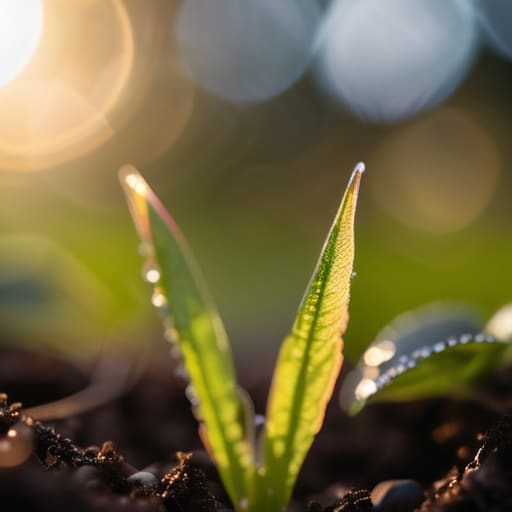
Think of your finances like a perennial garden; you can’t just plant everything in May and expect it to bloom perfectly every single year without a bit of foresight. To get ahead, I rely heavily on sinking funds for annual expenses. Instead of letting that massive property tax bill or the annual subscription for my urban planning software hit you like a sudden frost, you break those large numbers down into manageable monthly “nutrients.” By setting aside a small, consistent amount each month, you’re essentially pre-loading your soil so that when the big bills arrive, your bank account doesn’t go into shock.
I’ve found that the most effective annual expense forecasting techniques involve a quick seasonal audit. Every few months, I sit down with my trusty Monstera, Barnaby (who, frankly, is a very judgmental listener), and we review the upcoming year. We look for those sneaky, non-monthly bills—like insurance renewals or seasonal garden maintenance—and map them out. This proactive approach to managing unpredictable yearly costs turns a potential financial storm into a predictable, gentle rain, allowing you to focus on growing your life rather than just surviving the overhead.
Sinking Funds for Annual Expenses Your Financial Compost
Think of your finances like my balcony garden: if you just dump all your nutrients into the soil once a year, you’ll end up with a massive growth spurt followed by a total wilt. You need a steady, consistent flow. That’s exactly where sinking funds for annual expenses come into play. Instead of letting a massive property tax bill or a sudden garden overhaul catch you off guard, you treat these costs like high-quality compost. You collect small, manageable amounts of “nutrients” every single month, allowing them to break down and prepare your budget for when that big expense eventually blooms.
I actually asked my Monstera, Monty, about this yesterday. He’s a big fan of steady hydration, and honestly, he’s right. Managing unpredictable yearly costs becomes so much less stressful when you aren’t scrambling for a lump sum in December. By setting up separate little “pockets” of savings for things like insurance or seasonal maintenance, you’re essentially practicing irregular expense management strategies that keep your financial ecosystem stable. It turns a potential drought into a controlled, nourishing cycle that keeps your urban lifestyle thriving without the sudden shock to the system.
Cultivating Your Financial Resilience: 5 Pro-Tips for Smooth Seasons
- Map Out Your Seasonal Cycles: Just like I track the sun’s movement to know when my basil needs more light, you need to map your year. Sit down with a calendar and mark those predictable “blooms”—the annual insurance premiums, the holiday splurge, or that yearly soil replenishment—so they don’t catch you off guard like a sudden frost.
- The “Micro-Drip” Irrigation Method: Don’t try to tackle a massive annual bill all at once; it’s like trying to water a thirsty fern with a bucket instead of a steady mist. Divide that big number by twelve and set up an automatic transfer. Small, consistent monthly “drips” into your savings will ensure you have a full reservoir when the bill actually arrives.
- Create a “Hardy Variety” Buffer: In my garden, I always plant a few resilient perennials just in case the weather turns sour. Do the same with your budget by adding a 5-10% “buffer” to your forecasted costs. If your car registration is usually $200, plan for $220. That little extra cushion handles the inflation or the unexpected fees that pop up like urban weeds.
- Audit Your Financial Ecosystem: Once a year, take a walk through your spending habits just like I walk through my rooftop garden to check for pests. Are there old subscriptions or “zombie” expenses draining your resources? Pruning these unnecessary costs frees up the nutrients (your cash!) that can be redirected toward your more important annual goals.
- Use Digital “Greenhouses” for Tracking: I use specific apps to monitor my soil pH, and you should use dedicated digital tools or even a simple, color-coded spreadsheet to visualize your sinking funds. Seeing your progress grow visually makes the discipline feel less like a chore and more like watching a seedling break through the soil.
Cultivating Long-Term Financial Resilience
At the end of the day, managing those unpredictable annual costs is a lot like tending to a balcony garden; you can’t just wait for the bloom and hope for the best. By mastering your forecasting techniques and treating your sinking funds like essential financial compost, you’re essentially preparing the soil for your future self. We’ve looked at how to track those sneaky, irregular expenses and how to build a dedicated reservoir of funds so that when the “seasonal shifts” of life arrive—be it a sudden garden overhaul or a necessary home repair—they don’t leave your entire budget feeling wilted. It’s all about proactive preparation rather than reactive stress.
As I was chatting with my Monstera, Barnaby, this morning (he was feeling particularly ambitious about his new leaf), he reminded me that even the most resilient ecosystems require consistent, small inputs to thrive. Your finances work the same way. Don’t let the complexity of urban living overwhelm you; instead, embrace the process of steady, incremental growth. If you can nurture a tiny herb garden in a window box, you can certainly nurture a sustainable financial plan. Let’s keep building those green sanctuaries, both in our living spaces and in our bank accounts, one intentional step at a time.



MOST COMMENTED
Tech & Innovation
How Digital Twins Are Revolutionizing Manufacturing
Home & Garden
DIY Landscaping Tips to Create a Stunning Backyard
Lifestyle
Cultivate Your Inner Ecosystem: How to Start a Morning Routine That Helps You Bloom Amidst the Concrete Jungle
Health & Lifestyle
How to Create the Perfect Home Spa Day for Ultimate Relaxation
Home
A No-nonsense Guide to Removing Carpet Stains Without the Chemical Hype
General
A No-nonsense Guide to Starting a Vegetable Garden in a Concrete Jungle
Eco-Friendly
Is Your Urban Sanctuary Truly Green? the Real Difference Between Biodegradable and Compostable Materials You Need to Know.