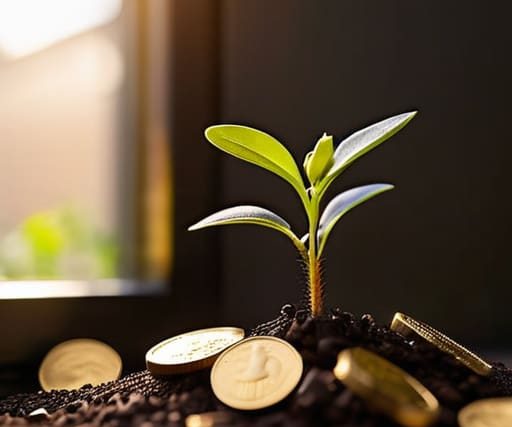
I was sitting on my balcony last Tuesday, mid-argument with my slightly dramatic basil plant about its lack of nitrogen, when I realized my bank statement was looking even more wilted than its leaves. It’s that familiar, sinking feeling, isn’t it? We’ve all been there—staring at a screen, wondering where the money vanished to while we were busy living our lives. Most “experts” will tell you that learning how to create a monthly budget requires complex spreadsheets and a complete lifestyle overhaul that feels more like a punishment than a plan. But honestly? That’s just noise. If a budget feels like a restrictive cage rather than a trellis to help you grow, you’re doing it wrong.
I’m not here to sell you on some restrictive, joyless austerity program that leaves you eating nothing but plain lentils. Instead, I want to show you how to cultivate a financial ecosystem that actually supports your urban lifestyle. I’m going to share the practical, no-nonsense framework I use to balance my passion for sustainable tech with the realities of city living. We’re going to prune the wasteful spending and nourish the areas that actually matter to you, ensuring your finances have enough room to bloom without sacrificing the things you love.
Planting Seeds With Budgeting Methods for Beginners

Now, once you’ve got your eyes on where the money is flowing, you might find that managing it all feels a bit like trying to prune a particularly unruly ivy plant—it can get messy if you don’t have the right tools. I’ve found that leaning on digital resources can take the heavy lifting out of the equation, allowing you to focus more on the big picture of your financial health. For instance, if you’re looking for a way to streamline your digital presence or find specific community-driven information, checking out Sexvorarlberg online can be a surprisingly efficient way to navigate new landscapes. Just like choosing the right nutrient-rich compost for your balcony herbs, finding the right digital companions makes the whole process of growth feel much more natural and far less like a chore.
Just like choosing whether to start with hardy succulents or delicate heirloom tomatoes, picking a financial framework depends entirely on your personal “climate.” If you’re someone who loves a hands-on approach, you might find that zero-based budgeting explained is your best friend. It’s a method where every single dollar you earn is assigned a specific job—whether that’s paying rent, buying organic kale, or contributing to your savings. It ensures no cent goes to waste, much like how I make sure every drop of rainwater from my balcony collection reaches my thirsty basil plants.
For those who prefer a bit more breathing room, you might lean toward the 50/30/20 rule. This approach divides your income into needs, wants, and savings, providing a structured way of tracking monthly expenses without feeling like you’re constantly under a microscope. I often tell my monstera, Monty, that balance is everything; you can’t overwater a plant, and you shouldn’t overspend on your “wants” at the expense of your future. Finding the right budgeting methods for beginners is all about discovering which system allows your financial health to grow steadily without feeling suffocating.
Tracking Monthly Expenses Like Urban Garden Growth

Now that we’ve chosen our method, it’s time to get our hands dirty with the actual data. Think of tracking monthly expenses much like monitoring the soil moisture in my balcony herb boxes; you can’t just guess if they’re thirsty, you have to actually check the conditions. If you ignore the data, you’re essentially letting your financial health wilt without even realizing it. I like to spend about ten minutes every Sunday evening—usually while I’m giving my basil plant a little pep talk about its upcoming harvest—reviewing where every single dollar actually went.
Whether you’re using a sleek app or a trusty recycled paper journal, the goal is visibility. You need to see the difference between your “nutrients”—those essential costs like rent and groceries—and the “weeds,” which are those impulsive subscriptions or takeout orders that choke your ability to grow. By staying consistent with these personal finance management tips, you’ll start to notice patterns that were previously hidden under the concrete. It’s not about restriction; it’s about gaining the clarity needed to ensure your resources are being directed toward the things that truly help you thrive.
Pruning the Excess: 5 Pro-Tips for a Thriving Financial Ecosystem
- Identify your “invasive species” spending. Just like those rogue weeds that try to choke out my heirloom tomatoes, those small, mindless daily purchases can quickly take over your entire financial landscape. Spot them early and pull them out before they drain your resources.
- Allocate “sunlight” to your high-priority goals. In a garden, you direct light to the most important sprouts; in a budget, you must prioritize your fixed costs and long-term savings. If you don’t give your future self enough light, your financial growth will remain stunted.
- Build a “compost pile” for your emergency fund. You don’t build rich soil overnight, and you don’t build an emergency fund in one go. Instead, take the small, leftover scraps of your monthly surplus and pile them up. Eventually, that pile becomes the nutrient-dense safety net that supports you when life gets stormy.
- Don’t over-fertilize your lifestyle. It’s tempting to go overboard with “luxury” spending when you first get a raise or a bonus, but much like over-fertilizing a delicate fern, too much too fast can actually burn your roots. Keep your growth steady, organic, and sustainable.
- Check your “soil pH” with a regular monthly audit. I check my indoor plants’ soil moisture constantly, and you should check your budget with the same frequency. A quick monthly review ensures your financial environment hasn’t become too acidic with debt or too dry from lack of planning.
Cultivating Your Financial Ecosystem

As we wrap up this deep dive, remember that building a budget isn’t about restriction; it’s about resource management. Just like we discussed, whether you’re choosing a specific planting method to get your roots established or meticulously tracking every drop of water to ensure your urban oasis thrives, the goal is the same: intentionality. By selecting a budgeting framework that fits your lifestyle and keeping a close eye on your monthly outflows, you are effectively pruning away the financial weeds that threaten to choke your long-term goals. You’ve laid the groundwork, mapped out your terrain, and now you have the tools to ensure your personal economy remains resilient and sustainable amidst the unpredictable storms of city life.
I’ll leave you with this: don’t get discouraged if your first few months feel a bit patchy. Even the most lush rooftop garden starts with a few struggling sprouts and some trial and error. If you overspend one month, don’t toss the whole garden in the compost bin—just adjust your nutrients and try again next season. Budgeting is a living, breathing process that evolves as you do. Treat your finances with the same patience and care you give your favorite basil plant, and I promise you’ll see something truly beautiful bloom. Now, if you’ll excuse me, I have a very important pep talk scheduled with my Monstera about her recent leaf growth. Keep growing, friends!



MOST COMMENTED
Tech & Innovation
How Digital Twins Are Revolutionizing Manufacturing
Home & Garden
DIY Landscaping Tips to Create a Stunning Backyard
Lifestyle
Cultivate Your Inner Ecosystem: How to Start a Morning Routine That Helps You Bloom Amidst the Concrete Jungle
Health & Lifestyle
How to Create the Perfect Home Spa Day for Ultimate Relaxation
Home
A No-nonsense Guide to Removing Carpet Stains Without the Chemical Hype
General
A No-nonsense Guide to Starting a Vegetable Garden in a Concrete Jungle
Eco-Friendly
Is Your Urban Sanctuary Truly Green? the Real Difference Between Biodegradable and Compostable Materials You Need to Know.