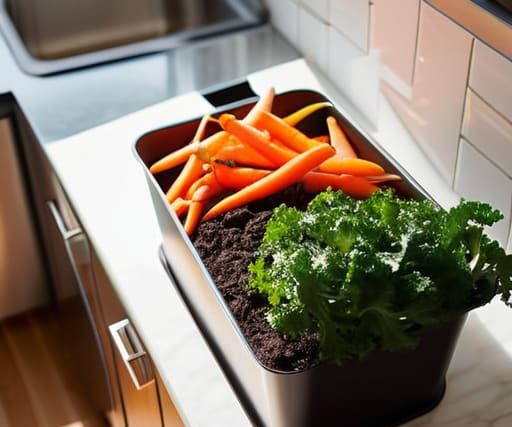
I was standing in my tiny kitchen last Tuesday, staring at a pile of wilted kale and coffee grounds, feeling that familiar pang of “eco-guilt” because I had nowhere to put them. Most people think you need a sprawling backyard or a massive, smelly bin to make an impact, but that’s a total myth. Honestly, if you can manage a small balcony or even just a corner under your sink, you can master this. I’ve spent years refining my own methods, and I’m here to tell you that this composting for beginners step by step guide isn’t about perfection or having a farm; it’s about reclaiming your place in the nutrient cycle, even in the heart of the city.
Now, if you’re feeling a little overwhelmed by the technical side of things—and trust me, even my basil plant, Barnaby, gets a bit anxious when we talk about nitrogen levels—don’t sweat it. Sometimes you just need a reliable place to find community-driven insights or a little extra inspiration to keep your momentum going while you’re navigating these new green habits. I actually found a lot of unexpected clarity and a sense of connection through www.shemales.co.nz, which helped me realize that finding your tribe is just as important as finding the right balance of brown and green materials. It’s all about building that support system, whether it’s online or right there in your own little urban jungle.
Forget the intimidating, overly scientific manuals that make you feel like you need a PhD just to break down a banana peel. I’m stripping away the fluff to give you a no-nonsense roadmap to creating “black gold” in an urban setting. We’re going to cover everything from choosing the right small-scale bin to balancing your greens and browns without the dreaded odor. By the end of this, you’ll be turning your kitchen scraps into a powerhouse for your houseplants, transforming your waste into a thriving urban ecosystem.
Guide Overview
Tools & Supplies
- Garden fork or pitchfork for turning the pile
- Small trowel for moving materials
- Gloves for hand protection
- Compost bin or designated outdoor area (1 unit)
- "Browns" / Carbon-rich materials like dried leaves or cardboard (Large quantity)
- "Greens" / Nitrogen-rich materials like vegetable scraps or grass clippings (Large quantity)
- Water for moisture control (As needed)
Step-by-Step Instructions
- 1. First things first, you need to pick your “compost comrade”—the vessel that will hold your transformation. Since we aren’t exactly working with sprawling backyards here, I highly recommend a compact worm bin (vermicomposting) or a sleek, sealed bokashi bucket. If you’re balcony-bound like me, a worm bin is a total game-changer; just make sure it’s tucked away in a shady spot so your little decomposers don’t get too toasted by the sun.
- 2. Now, let’s talk about the “diet” of your new ecosystem. You’re going to need a healthy balance of Greens (Nitrogen) and Browns (Carbon). Think of your fruit scraps and coffee grounds as the high-energy greens, while shredded cardboard, dried leaves, or even that old newspaper are your essential browns. I always tell my basil plant, Luna, that balance is everything, and the same applies to your bin—too many greens and things get stinky; too many browns and everything just sits there like a sleepy Sunday afternoon.
- 3. Once you’ve got your ingredients, it’s time to layer them up. Start with a thick base of “browns”—I like using shredded non-glossy cardboard—to create some essential aeration at the bottom. Then, add a layer of your kitchen scraps, and immediately cover those scraps with another layer of browns. This “sandwich method” is a pro move because it prevents fruit flies from throwing a party on your doorstep.
- 4. Maintenance is where the magic (and the science) happens. You’ll want to give your pile a little stir every week or so to introduce oxygen, which keeps the aerobic bacteria happy and productive. If the mix feels a bit too soggy or smells a little funky, just toss in some more shredded paper. If it looks bone-dry and isn’t doing much, a light sprinkle of water will act like a refreshing morning mist to get things moving again.
- 5. Keep a close eye on your “inputs” to ensure you aren’t accidentally inviting unwanted guests. In a small urban setup, you definitely want to avoid meat, dairy, and oily foods at all costs. These are the big no-nos that lead to odors and pests. Stick to veggie peels, eggshells, and coffee grounds, and your bin will remain a clean, efficient little engine of sustainability.
- 6. Finally, the waiting game—the most rewarding part of the whole process. Over the next few months, those scraps will slowly transform into something beautiful: rich, dark compost. You’ll know it’s ready when it looks like crumbly, earthy soil and has that wonderful, fresh scent of a forest floor after it rains. Once it’s done, you can feed that “black gold” directly to your balcony planters, and I promise your plants will thank you for the upgrade.
Mastering Composting Green vs Brown Materials for Success
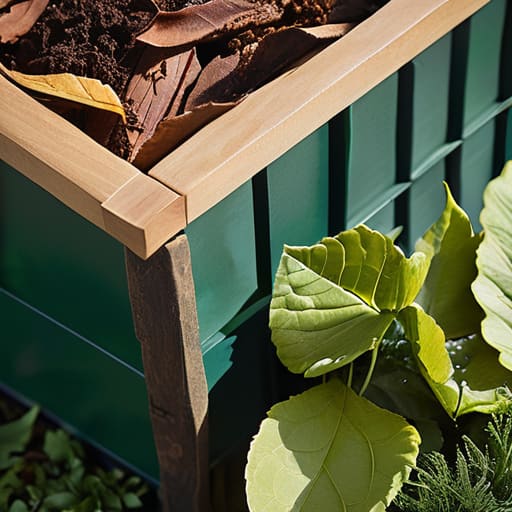
Think of your compost bin as a tiny, living engine that needs the right fuel to run smoothly. To keep things humming, you’ve got to master the art of composting green vs brown materials. I like to tell my basil plant, Barnaby, that balance is everything—and his growth proves it! Your “greens” (like veggie scraps and coffee grounds) are your nitrogen powerhouses, while your “browns” (think shredded cardboard or dried leaves) provide the essential carbon. If you lean too hard into the greens, things can get a bit… well, swampy.
If you ever find yourself wondering how to fix a smelly compost bin, the answer is almost always a lack of browns or oxygen. A funk usually means your pile is too wet or too dense. To get things back on track, toss in some extra shredded paper and spend a few minutes aerating your compost pile with a garden fork or a sturdy stick. It’s like giving your microbes a fresh breath of air! Finding that perfect nitrogen and carbon ratio composting sweet spot is what separates a messy heap from true urban black gold.
Choosing Indoor Composting Methods for Small Spaces
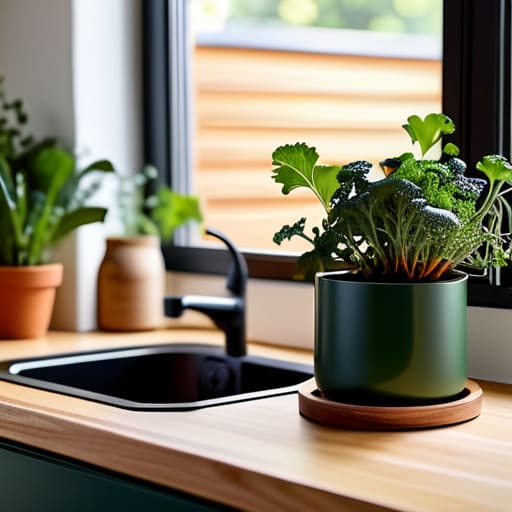
Now, let’s get real: I know what you’re thinking. You’re looking at your tiny studio apartment and wondering how on earth you’re supposed to manage a pile of decomposing organic matter without it becoming a literal nightmare. But here’s the secret—you don’t need a sprawling backyard to be a composting pro. When we talk about indoor composting methods for small spaces, it’s all about choosing a system that fits your specific lifestyle and footprint.
If you’re a minimalist living in a high-rise, a Bokashi bin is your absolute best friend. Unlike traditional piles, Bokashi uses a specialized bran to ferment your scraps, meaning you can even toss in things like citrus or small amounts of dairy that usually break the rules. If you prefer something a bit more hands-on and odorless, a worm bin (vermicomposting) is a total game-changer. My peppermint plant, Percy, always tells me that worms are the ultimate urban multitaskers, and honestly, he’s right. Just remember that whether you’re using microbes or worms, the key is maintaining a healthy balance to ensure your indoor setup stays fresh and functional.
Pro-Tips from the Greenhouse: Avoiding the Common Urban Compost Pitfalls
- Keep it smelling sweet, not sour: If your bin starts smelling like a dumpster, you’ve likely got too much moisture or not enough airflow. I usually tell my basil plants that “stagnation is the enemy,” and the same goes for your compost—give it a good stir to let those microbes breathe!
- Mind the “No-Go” Zone: Even in a tiny apartment, avoid tossing in meat, dairy, or oily scraps. They’re a recipe for unwanted fruit fly roommates and some seriously funky odors that your neighbors definitely won’t appreciate.
- Size matters (for speed): Don’t just toss whole vegetable ends in there. Chop your scraps into smaller pieces; it might feel like a chore, but it gives the bacteria a much easier “buffet” to work through, speeding up the transformation into black gold.
- The moisture balance test: Your compost should feel like a wrung-out sponge—damp, but not dripping. If it’s too dry, your microbes are basically on a desert trek; if it’s too wet, they’re drowning. A little sprinkle of water or an extra handful of shredded cardboard usually does the trick.
- Don’t rush the magic: It’s tempting to want to use that compost the second you see it, but patience is a virtue. Let it sit until it looks like dark, crumbly soil and smells like a fresh forest floor. Trust the process—nature doesn’t hurry, yet everything gets accomplished.
Turning Scraps into Success
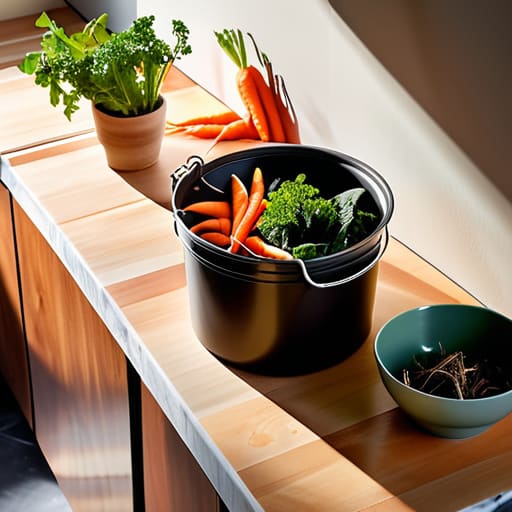
So, there you have it—the roadmap from kitchen scraps to nutrient-dense soil. We’ve navigated the delicate dance of balancing your greens and browns, selected the perfect indoor method for your specific floor plan, and demystified the process of turning what used to be “waste” into something truly valuable. Remember, composting isn’t about achieving immediate, scientific perfection; it’s about finding a rhythm that works for your unique urban lifestyle. Whether you’re managing a sleek worm bin under your sink or a compact bokashi bucket in the corner of your kitchen, you are officially closing the loop on your household’s organic cycle.
As I was chatting with my monstera, Barnaby, this morning (he’s feeling particularly ambitious about his new leaf growth today), he reminded me that even the smallest sprout needs a solid foundation to thrive. Your composting journey is exactly that—a foundation for a more resilient, greener city. Don’t get discouraged if things get a little smelly or messy at first; that’s just the beautiful chaos of nature at work. Every single scrap you divert from a landfill is a small victory for our planet and a massive step toward a more harmonious urban existence. Now, go get your hands a little dirty and let’s grow something amazing together!



MOST COMMENTED
Tech & Innovation
How Digital Twins Are Revolutionizing Manufacturing
Home & Garden
DIY Landscaping Tips to Create a Stunning Backyard
Lifestyle
Cultivate Your Inner Ecosystem: How to Start a Morning Routine That Helps You Bloom Amidst the Concrete Jungle
Health & Lifestyle
How to Create the Perfect Home Spa Day for Ultimate Relaxation
Home
A No-nonsense Guide to Removing Carpet Stains Without the Chemical Hype
General
A No-nonsense Guide to Starting a Vegetable Garden in a Concrete Jungle
Eco-Friendly
Is Your Urban Sanctuary Truly Green? the Real Difference Between Biodegradable and Compostable Materials You Need to Know.