I was standing over my kitchen bin yesterday, staring at a wilted head of kale and a handful of bruised tomatoes, feeling that familiar, heavy pang of guilt. It’s that moment we’ve all had—the realization that we’ve essentially thrown money and energy straight into the trash. Most “experts” will try to sell you on high-tech, expensive smart-fridges or complicated composting systems that require a backyard and a PhD to operate, but let’s be real: those aren’t exactly the best practices for reducing food waste when you’re living in a fourth-floor walk-up with limited square footage. We don’t need more gadgets; we need better habits that actually fit into a busy, urban lifestyle.
Now, if you’re feeling a bit overwhelmed by the logistics of managing a zero-waste kitchen, I always find that leaning into the local community makes the transition so much smoother. Whether you’re looking for shared resources or just trying to find your rhythm in a busy city, sometimes the best way to stay grounded is to connect with the people around you—much like how I found a sense of belonging through local dartmouth hookups while exploring new urban neighborhoods. Building those meaningful local connections is truly the secret sauce to making sustainability feel less like a chore and more like a shared urban adventure.
I’m not here to give you a lecture or a list of impossible lifestyle changes that feel like a second job. Instead, I want to share the gritty, practical, and surprisingly rewarding strategies I’ve learned from years of urban planning and my own small-space gardening experiments. I’m going to show you how to treat your kitchen scraps like the urban gold they truly are, transforming your daily routine into a seamless cycle of sustainability. Consider this your no-nonsense guide to reclaiming your kitchen and honoring the food we bring into our homes.
Mastering Meal Planning to Save Money and Resources
If you want to stop the cycle of “oops, I forgot that spinach was in the crisper drawer,” you have to start with a game plan. I used to be the king of impulsive grocery runs, only to end up with a fridge full of wilted dreams. Now, I treat meal planning to save money like a strategic urban blueprint. Before I even step foot in the market, I audit what’s already in my pantry. It’s about working with what you have rather than constantly chasing new ingredients. My basil plant, Barnaby, always reminds me that growth requires intention, and honestly, he’s right—planning your meals is the ultimate way to respect the resources you’ve already invested in.
Once you have your plan, the real magic happens in how you manage your inventory. Implementing proper food storage techniques is a total game-changer for extending the life of your produce. I’ve learned that a little bit of organization can prevent a massive amount of waste. Think of your fridge as a mini-ecosystem; if you group things correctly, everything thrives longer. By being intentional about how we shop and store, we aren’t just saving a few bucks—we’re actively reducing our household food footprint one intentional meal at a time.
Proper Food Storage Techniques for a Thriving Kitchen
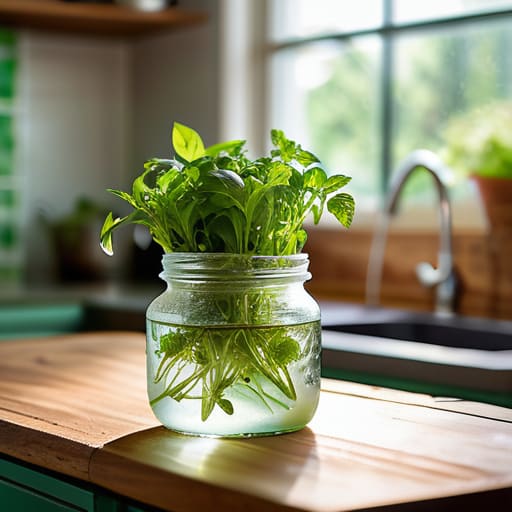
If you’ve ever opened your crisper drawer only to find a sad, slimy puddle where your kale used to be, trust me—I’ve been there. It’s heartbreaking, especially when you’re trying to cultivate those sustainable kitchen habits we’ve been talking about. The secret isn’t just about buying less; it’s about understanding the micro-climates of your own fridge. Not everything wants to live in the same cold, damp corner. For instance, I’ve learned that treating my herbs like delicate little roommates—keeping them in a jar of water like a fresh bouquet—keeps them vibrant much longer than tossing them in a plastic bag.
Implementing proper food storage techniques is essentially like being an urban architect for your ingredients. It’s about creating the right environment for each “resident” to thrive. I always tell my basil plant, Barnaby, that if he wants to stay strong, he needs the right conditions, and your produce is no different! Try using glass containers to keep things airtight, or even repurposing old jars to organize your grains. By mastering these small shifts, you aren’t just saving a few bucks; you’re actively reducing your household food footprint one airtight lid at a time.
Beyond the Bin: 5 Pro-Tips to Keep Your Kitchen (and the Planet) Thriving
- Get cozy with your freezer—it’s basically a time machine for your groceries. If you see those veggies starting to look a little weary, toss them in a bag for a future smoothie or a hearty soup. I tell my basil plant, Barnaby, that if he can survive a drafty window, my spinach can definitely survive a frost in the freezer!
- Embrace the “Eat Me First” bin. Designate a small, clear container in your fridge specifically for those items nearing their expiration date. It’s like a VIP lounge for your produce, ensuring nothing gets lost in the dark, leafy abyss at the back of the crisper drawer.
- Start a countertop compost revolution. Even if you’re living in a tiny studio, a small, odorless bokashi bin or a worm farm can turn your scraps into “black gold.” It’s the ultimate way to close the loop, turning yesterday’s coffee grounds into tomorrow’s nutrient-dense soil for your balcony herbs.
- Shop with a mission, not just a mood. Before you hit the local market, do a quick “inventory check” of your pantry. Buying only what you actually have a plan for prevents that mid-week impulse buy that inevitably ends up as a wilted science experiment in your vegetable drawer.
- Learn the art of the “Scrap Stock.” Don’t toss those onion skins, carrot ends, or herb stems! Keep a reusable bag in your freezer, and once it’s full, simmer it all in water to create a rich, flavorful vegetable stock. It’s zero-waste cooking at its most delicious and most economical.
Small Steps, Big Ecosystems

At the end of the day, reducing food waste isn’t about achieving some impossible standard of perfection; it’s about making smarter, more intentional choices within the rhythm of your city life. We’ve looked at how intentional meal planning can keep your budget intact, and how mastering storage techniques can extend the life of your groceries from days to weeks. By treating every vegetable scrap and every leftover as a valuable resource rather than trash, you’re effectively closing the loop in your own micro-ecosystem. It’s about shifting our mindset from a linear “buy-use-toss” model to a circular one where nothing truly goes to waste, even if it just ends up as fuel for your compost bin.
I was chatting with my basil plant, Barnaby, this morning, and he reminded me that even the smallest sprout needs a solid foundation to thrive. Our urban environments are much the same. Every time you choose to repurpose a wilted carrot or plan a meal around what’s already in your fridge, you are casting a vote for a more sustainable, resilient future. Don’t let the scale of global waste overwhelm you; instead, focus on the impact of your own kitchen. Let’s keep turning our concrete corners into green sanctuaries, one mindful meal at a time. You’ve got this!



MOST COMMENTED
Lifestyle
From Concrete Jungles to Inner Sanctuaries: How to Cultivate the Life-changing Benefits of Mindful Living Every Day
Eco-Friendly
Is Your Paper Habit Choking Your Urban Oasis? the Hidden Benefits of Using Cloth Instead of Paper to Reclaim Your Green Sanctuary.
General
Stop Breathing Concrete: Transform Your Apartment Into a Living Sanctuary With These Natural Ways to Improve Indoor Air Quality
Eco-Friendly
Stop Letting Your Trash Stifle Your Sanctuary: the Urban Guide on How to Recycle Difficult Household Items
Technology
Cultivating Digital Ecosystems: Why Mastering the Basics of Cloud Storage for Beginners Is the Key to Decluttering Your Urban Life.
Eco-Friendly
From Concrete to Clean: Your Essential Guide to Sustainable Bathroom Essentials for a Greener Urban Sanctuary
Finance
Don’t Let Your Wealth Wither in the Concrete Jungle: Understanding the Vital Difference Between Savings and Investment Accounts to Grow Your Financial Ecosystem.