
I was sitting on my balcony this morning, giving my slightly dramatic basil plant—let’s call him Barnaby—a much-needed pep talk about resilience, when I realized how much energy we waste just trying to keep our urban nests “perfect.” We’ve been sold this massive lie that going green requires a massive bank account or a complete lifestyle overhaul involving expensive smart-home gadgets that barely work. Honestly, the hype around high-tech solutions often obscures the most effective, low-tech ways to reduce energy consumption at home that actually make a dent in your monthly bills. It’s not about living in the dark; it’s about being smarter with the space we have.
I’m not here to sell you on some overpriced, shiny solar gadget that takes three years to pay for itself. Instead, I want to share the gritty, practical, and genuinely effective strategies I’ve gathered from years of urban planning and living in small-scale city apartments. We’re going to dive into real-world shifts—the kind that turn a drafty studio into a cozy sanctuary—without stripping away the joy of modern living. Let’s get into the actionable stuff that actually works for real city dwellers.
Mastering Energy Efficient Home Appliances for Urban Living
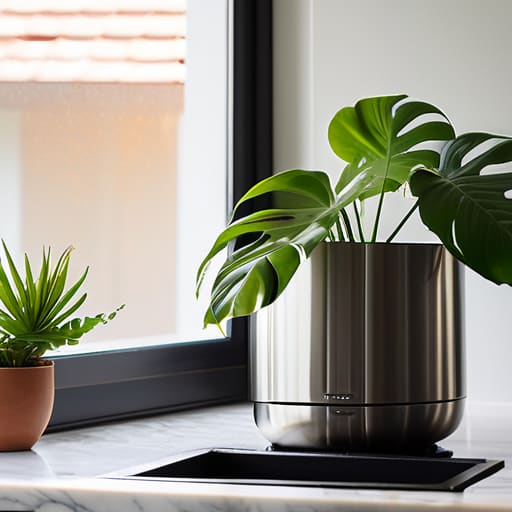
Let’s talk about the heavy hitters in your apartment—the appliances that quietly sip away at your resources while you’re busy working or tending to your basil. When you’re living in a compact urban space, every watt counts. Upgrading to energy efficient home appliances isn’t just about being a tech enthusiast; it’s about making your living space work smarter, not harder. I recently had a long chat with my Monstera, Barnaby, about his “growth energy,” and it reminded me that even plants need efficient systems to thrive. If your fridge is humming like a jet engine or your dishwasher is a total energy hog, you’re essentially leaking money and resources.
Beyond the big machines, don’t overlook the subtle power players. Integrating a smart thermostat can be a total game-changer for lowering monthly electricity bills, especially in those drafty older buildings that characterize much of our city’s charm. It’s like giving your home a brain that knows exactly when to dial back the effort. By automating your climate control, you’re not just saving pennies; you’re actively reducing your household carbon footprint without having to constantly micromanage your thermostat. It’s all about that effortless, eco-smart flow.
Smart Thermostat Benefits Taming the Concrete Jungles Climate

If you’ve ever felt like you’re fighting a losing battle against your apartment’s temperamental heating system, you aren’t alone. I used to spend half my time adjusting the dial, trying to find that sweet spot between “Arctic tundra” and “tropical greenhouse.” This is where the smart thermostat benefits really start to shine. Instead of manually wrestling with the temperature, these little geniuses learn your rhythm—knowing exactly when you’re heading out for a coffee run or curling up with a book. It’s about working with your space rather than against it.
By automating these micro-adjustments, you’re doing much more than just getting cozy; you’re actively reducing your household carbon footprint without lifting a finger. It’s one of those rare “set it and forget it” wins that feels incredibly rewarding. I actually asked my basil plant, Barnaby, what he thought about the shift, and even though he’s a bit of a drama queen about humidity, he seemed to approve of the more stable climate. Plus, seeing those numbers drop on your statement is a massive win for your wallet.
Small Shifts, Big Impact: My Top 5 Energy-Saving Urban Hacks
- Plug the Leaks: Think of your drafty windows like a thirsty plant—they’re losing precious resources. Using simple weatherstripping or heavy curtains can stop that conditioned air from escaping, keeping your sanctuary cozy without cranking the HVAC.
- Let the Sun Do the Heavy Lifting: I always tell my basil plant, ‘Work with me, not against me,’ and the same goes for your lighting. During the day, flip those blinds up to soak in that natural solar warmth; it’s free, it’s beautiful, and it keeps your space bright without a single watt.
- The Vampire Power Purge: Even when they’re “off,” those little standby lights on your chargers and coffee makers are sipping energy like tiny, invisible straws. Grab a smart power strip to kill the connection entirely when you’re out exploring the city—it’s a total game-changer for your utility bill.
- Optimize Your Fridge’s Ecosystem: Your fridge is basically a mini-climate, much like my balcony garden. Make sure it’s not pushed right against a hot wall and keep the coils clean; a little breathing room helps it work way less hard to keep your groceries crisp.
- Mindful Laundry Loops: Let’s be real, we don’t need a mountain of clothes washed every single day. By running fuller loads and opting for cold water cycles, you’re saving a massive amount of heating energy—plus, your favorite eco-chic linen shirts will actually last a lot longer.
Cultivating a Greener Footprint

Taking control of your energy use doesn’t mean you have to live in a dark, drafty cave; it’s really about making smarter, more intentional choices within the space you call home. We’ve looked at how upgrading to efficient appliances can stop those silent energy leaks and how a smart thermostat can act as the brain of your urban sanctuary, keeping you cozy without the massive utility bill. Whether it’s a high-tech gadget or a simple shift in how you manage your climate, every small adjustment contributes to a much larger ripple effect for our city’s ecosystem. It’s about working with your environment rather than constantly fighting against it.
At the end of the day, I like to remind my basil plant, Barnaby, that even the smallest sprout can eventually crack through the toughest concrete. You are doing the same thing with your lifestyle. Transitioning to a more sustainable way of living might feel like a massive undertaking, but remember that progress beats perfection every single time. We aren’t just saving kilowatts; we are redesigning our relationship with the planet, one apartment at a time. So, let’s keep growing, keep tweaking, and keep transforming our urban nests into the thriving, efficient havens they were meant to be.
While we’re busy fine-tuning our gadgets and thermostats, don’t forget that the most sustainable resource we have is actually each other. Sometimes, the best way to find out which energy-saving hacks actually work in a real-world apartment setting is to tap into the collective wisdom of your neighbors. If you’re looking to trade tips or find out which local green initiatives are actually worth your time, I’ve found that jumping into a local chat in Toronto can be a total game-changer for connecting with like-minded urbanites. It’s much easier to stay motivated when you realize you aren’t the only one trying to turn your concrete corner into a thriving, low-impact sanctuary.



MOST COMMENTED
Lifestyle
From Concrete Jungles to Inner Sanctuaries: How to Cultivate the Life-changing Benefits of Mindful Living Every Day
Eco-Friendly
Is Your Paper Habit Choking Your Urban Oasis? the Hidden Benefits of Using Cloth Instead of Paper to Reclaim Your Green Sanctuary.
General
Stop Breathing Concrete: Transform Your Apartment Into a Living Sanctuary With These Natural Ways to Improve Indoor Air Quality
Eco-Friendly
Stop Letting Your Trash Stifle Your Sanctuary: the Urban Guide on How to Recycle Difficult Household Items
Technology
Cultivating Digital Ecosystems: Why Mastering the Basics of Cloud Storage for Beginners Is the Key to Decluttering Your Urban Life.
Eco-Friendly
From Concrete to Clean: Your Essential Guide to Sustainable Bathroom Essentials for a Greener Urban Sanctuary
Finance
Don’t Let Your Wealth Wither in the Concrete Jungle: Understanding the Vital Difference Between Savings and Investment Accounts to Grow Your Financial Ecosystem.