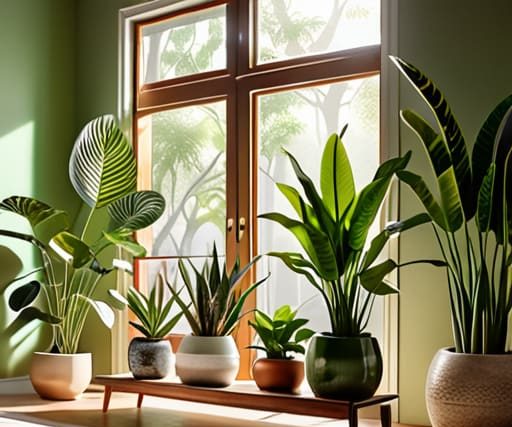
I remember standing in my first tiny studio apartment, staring at a half-dead fern that looked like it had given up on life, feeling like a complete failure. I had read all these glossy magazines suggesting that turning your home into a lush sanctuary required expensive UV lights, specialized pH testers, and a PhD in botany. Honestly? That’s total nonsense. You don’t need a lab coat or a massive budget to find success; you just need to stop overthinking it. Most people fail because they treat low maintenance indoor plant care for beginners like a high-stakes science experiment instead of what it actually is: a simple, rhythmic way to bring a little bit of the wild back into your living room.
I’m not here to sell you on complicated gadgets or high-maintenance divas that wilt if you look at them wrong. Instead, I’m going to give you the real-world toolkit I’ve gathered from years of trial, error, and many heartfelt pep talks with my pothos. We’re going to focus on the resilient, the hardy, and the downright stubborn varieties that actually thrive on a bit of neglect. By the end of this, you’ll have a sustainable green sanctuary that works with your busy urban lifestyle, not against it.
Finding Your Green Soulmates Best Plants for Apartment Living
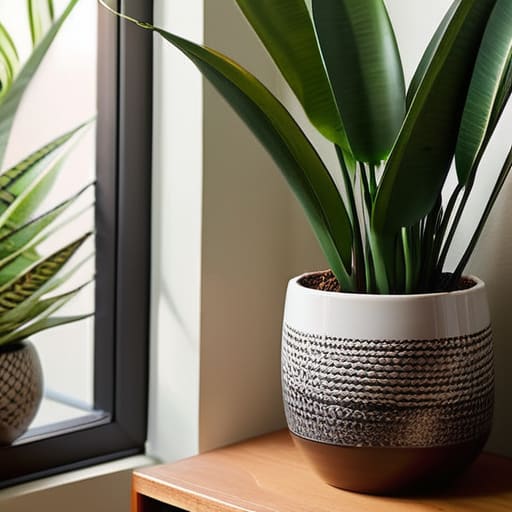
When you’re staring at a tiny corner of your studio apartment, wondering if you have the “green thumb” required to keep something alive, let me let you in on a secret: it’s all about picking the right partner. You wouldn’t go on a first date with someone who requires constant, high-intensity attention every single second, right? The same goes for your greenery. If you’re looking for the best plants for apartment living, I always suggest starting with the “indestructibles.” Snake plants and ZZ plants are my absolute favorites because they are essentially the marathon runners of the botanical world—they can handle a bit of neglect and thrive even if your apartment feels more like a cave than a sunroom.
For those of you with slightly more light but even less time, a collection of beginner friendly indoor plants like Pothos can transform a bookshelf into a cascading jungle. I actually spent twenty minutes this morning giving my Pothos, Luna, a pep talk about her new trailing leaves, and honestly? She’s crushing it. Just remember, the goal isn’t perfection; it’s about finding a rhythm that works for both your lifestyle and your new leafy roommates.
The Concrete Jungle Survival Guide Hardy Houseplants for Low Light
Let’s be real: not every apartment is blessed with floor-to-ceiling windows or that perfect, golden afternoon glow. Sometimes, your living room feels more like a cozy cave, and if you’re staring at a dark corner wondering if anything can actually survive there, don’t panic. I recently had a serious heart-to-heart with my Snake Plant, Jasper, about his ability to thrive in the shadows, and let me tell you, his resilience is infectious. When you’re hunting for hardy houseplants for low light, you want the survivors—the botanical equivalent of an urban explorer who can handle a bit of grit.
The ZZ Plant is my absolute go-to for these dim spots; it’s practically indestructible and handles irregular light like a pro. If you want something with a bit more flair, the Pothos is a classic for a reason. It trails beautifully, making it one of those essential beginner friendly indoor plants that adds instant life to a bookshelf. Just remember, even these tough guys need a little love. The biggest pitfall is often overcompensating, so keep an eye on your indoor plant watering schedule to ensure you aren’t turning your sanctuary into a swamp.
The "Lazy Gardener" Cheat Sheet: Keeping Your Greenery Happy Without the Stress
- Stop playing the watering guessing game. Most beginners kill their plants with kindness (and too much water), so grab a wooden skewer or your finger and stick it in the soil; if it comes out damp, walk away and let that plant breathe.
- Light is basically plant food, so don’t just stick your new leafy friend in a dark corner and hope for the best. Figure out which way your windows face—north light is chill and low-intensity, while south-facing windows are basically a solar blast—and match your plant to its vibe.
- Don’t let dust become a barrier to photosynthesis. Every once in a while, grab a damp cloth and give those leaves a gentle wipe-down; it keeps them looking lush and ensures they can actually soak up the light they need to thrive.
- Drainage is your best friend, even if it looks a little uncool. Make sure your pots have holes at the bottom so your plants aren’t sitting in a swamp, because nothing kills the urban jungle mood faster than root rot.
- Embrace the “wait and see” approach. Plants don’t grow on our human schedules, so if you don’t see a new leaf popping up immediately, don’t panic and start dumping fertilizer on it—just give it some consistent light, a little water, and a bit of patience.
Turning Your Concrete Corner into a Living Sanctuary
So, there you have it—the blueprint for your very own indoor oasis. We’ve navigated through finding those perfect green soulmates that won’t demand your entire weekend, and we’ve cracked the code on surviving those tricky, low-light corners that usually feel more like a cave than a living room. Remember, the secret isn’t about being a master botanist overnight; it’s about matching the right plant to your unique lifestyle and learning to read the subtle cues your leafy roommates are sending you. Whether you’re sticking with a resilient snake plant or a forgiving pothos, the goal is to build a sustainable rhythm that works for both you and your new green companions.
At the end of the day, don’t let a single yellow leaf discourage you. Even my Monstera, Barnaby, has his moments of existential crisis where he needs a little extra pep talk and some serious humidity, but he always bounces back. Urban gardening is a journey of trial, error, and a whole lot of heart. As you start reclaiming your space from the gray monotony of the city, remember that every single sprout is a small, beautiful victory for our urban ecosystems. Go ahead, get your hands a little dirty, and let’s transform this concrete jungle into something truly alive, one windowsill at a time.
Now, even with the perfect plant in hand, I’ve learned the hard way that sometimes you just need a little extra help to keep things blooming when life gets chaotic. I always tell my Monstera, Barnaby, that even the toughest growers need a little support system to truly flourish. If you ever find yourself feeling a bit overwhelmed by the logistics of your new urban lifestyle and need to find a way to reconnect and unwind amidst the city bustle, checking out sex near me can be a surprisingly effective way to prioritize your own well-being and find that spark again. Taking care of yourself is just as vital as watering your ferns, after all.


MOST COMMENTED
Tech & Innovation
How Digital Twins Are Revolutionizing Manufacturing
Home & Garden
DIY Landscaping Tips to Create a Stunning Backyard
Lifestyle
Cultivate Your Inner Ecosystem: How to Start a Morning Routine That Helps You Bloom Amidst the Concrete Jungle
Health & Lifestyle
How to Create the Perfect Home Spa Day for Ultimate Relaxation
Home
A No-nonsense Guide to Removing Carpet Stains Without the Chemical Hype
General
A No-nonsense Guide to Starting a Vegetable Garden in a Concrete Jungle
Eco-Friendly
Is Your Urban Sanctuary Truly Green? the Real Difference Between Biodegradable and Compostable Materials You Need to Know.