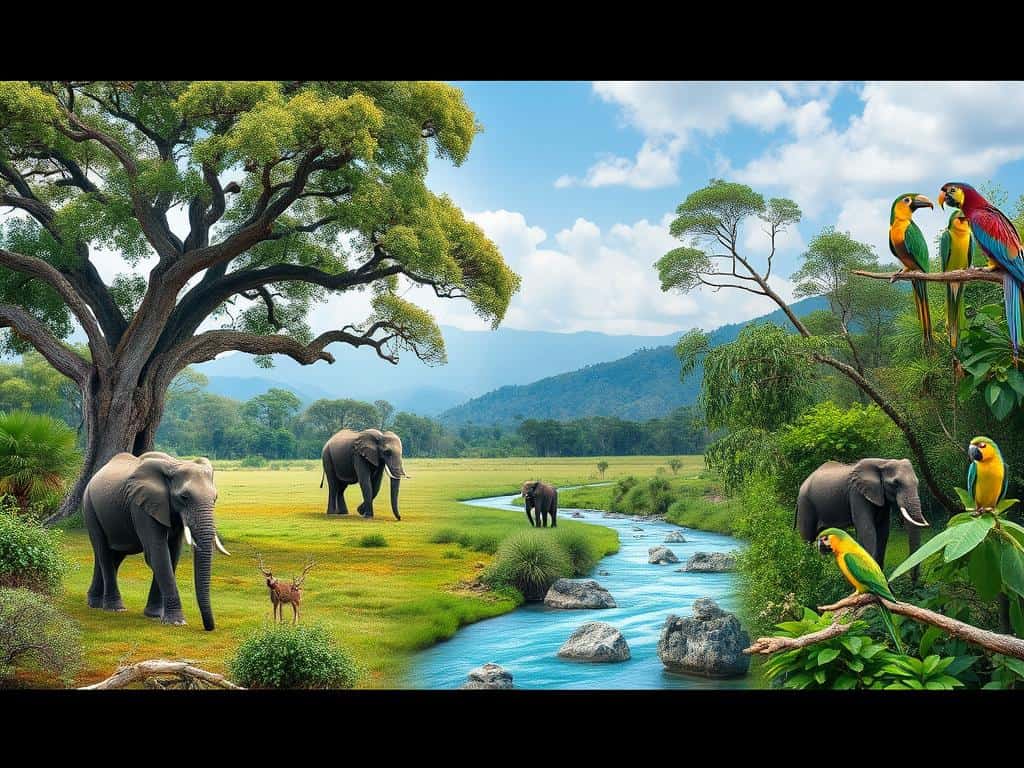
Did you know that the world’s wildlife is disappearing at a rate up to 10,000 times faster than the natural extinction rate? This alarming statistic shows how urgent wildlife conservation is. Every species, from whales to insects, is vital for our planet’s health. As human activities harm endangered species and their homes, we must act to protect them.
Wildlife conservation is more than saving animals. It’s about keeping our planet’s life web alive. Protecting forests and species like the African elephant is key. By supporting conservation, we can fight climate change, protect our resources, and promote green practices. Learning about wildlife conservation is the first step to a healthier planet for our kids.
Key Takeaways
- Wildlife conservation plays a vital role in keeping ecosystems healthy.
- Quick action is needed to stop habitat loss, pollution, and animal harm.
- Good conservation can lead to big policy changes for endangered species.
- Sustainable practices help both wildlife and people economically and socially.
- Getting communities involved and educated is key for conservation support.
- Conservation plans aim to protect and connect vital habitats for endangered species.
The Importance of Wildlife Conservation
Wildlife conservation is key to keeping our planet’s ecosystems in balance. It’s vital to understand how biodiversity affects ecosystem health. Biodiversity supports different life forms and helps our environment stay strong against changes and threats.
Understanding Biodiversity and Ecosystems
Biodiversity is the variety of life on Earth, including plants, animals, and their homes. A healthy ecosystem depends on how different species work together. Losing species can upset food chains and nutrient cycles, harming the ecosystem.
The Role of Each Species
Every species has a special role in its ecosystem. Losing one species can affect many others. For example, saving the American alligator and the bald eagle shows how important protecting individual species is. They were once endangered but recovered thanks to habitat protection and laws like the Endangered Species Act.
Benefits of Healthy Ecosystems
Healthy ecosystems give us many benefits, like clean air and water, and fertile soil. For example, the comeback of the whooping crane shows the success of conservation efforts. By protecting biodiversity, we keep these important services for ourselves and future generations.
Impact of Human Activity on Wildlife
Human actions greatly affect wildlife worldwide. Urban growth, pollution, and overhunting pose big challenges. It’s key to understand these impacts to protect wildlife.
Habitat Destruction and Urban Development
Habitat loss is happening fast, with species disappearing much quicker than before. Urban growth and farming cut down natural areas, leaving less space for animals. For example, crows harm vulnerable species, like the Nene Goose in Hawaii, now fewer than 800.
Pollution’s Toll on Wildlife
Pollution harms wildlife in many ways. It contaminates air and water, affecting health and reproduction. Clean habitats are vital, but animals face more pollution than ever. The manatee in Florida, for instance, faces dangers from boats and fishing gear.
Changes in weather, like earlier snowmelt, also affect wildlife. This shows how pollution and habitat changes work together.
Overharvesting and Poaching
Overhunting and poaching are big threats to wildlife. These activities push many species to the brink of extinction. With over 16,000 species at risk, action is needed now.
The Karner Blue butterfly’s decline by 99% in two decades is a stark example. Habitat loss is a major reason for such declines.
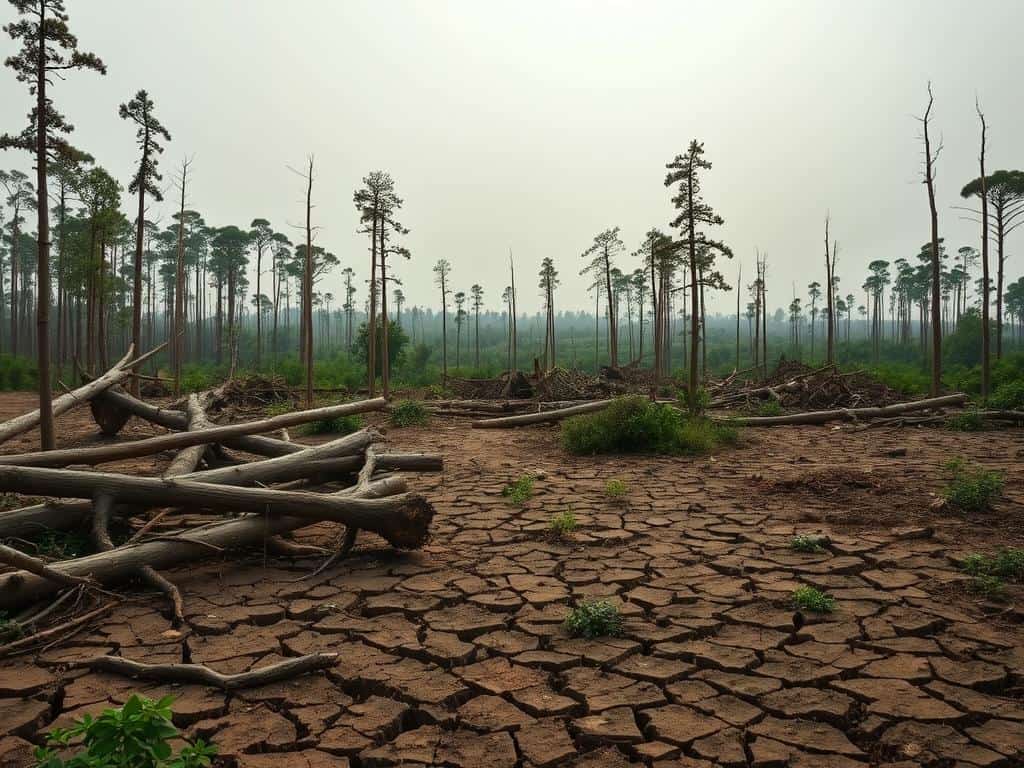
Wildlife Conservation: Strategies and Efforts
Effective wildlife conservation needs many strategies. Key parts include habitat restoration, government policies, and community involvement. Each part is important for saving biodiversity and species.
Habitat Restoration and Protection
Habitat restoration is key to fixing damaged ecosystems. Projects show that protecting habitats means setting up reserves and rules. This keeps these areas safe from harm.
Big efforts include bringing back native species and fixing ecosystems. This helps create a balanced and healthy environment.
Government Policies and Legal Frameworks
Government policies are the base for wildlife conservation. They set rules for hunting, logging, and land use. This ensures these activities are done right.
Legal rules protect endangered species and help fund conservation. When governments support conservation, they help projects succeed. This makes ecosystems stronger.
Community Engagement and Education
Getting communities involved makes conservation better. Teaching them about wildlife helps them understand its value. This builds respect for nature.
When communities see their role in protecting nature, they commit more. This leads to living in harmony with wildlife.
Conclusion
Wildlife conservation is more than just saving animals. It’s about keeping our ecosystems healthy and ensuring a sustainable future. Healthy wildlife means healthy ecosystems, which is why we must keep working on global biodiversity efforts.
By investing in conservation, we can give future generations a planet full of beauty and life. Human actions are harming wildlife and their homes. We need to act fast to protect them.
Creating protected areas helps wildlife and boosts local economies through tourism. This creates jobs and helps communities grow. Diverse ecosystems are also better at fighting climate change, helping species adapt and survive.
My dedication to wildlife conservation comes from knowing it’s key for our well-being and the future. We must see how all species are connected and support local conservation efforts. We also need to fight against illegal wildlife activities to protect our planet’s rich biodiversity.



MOST COMMENTED
Nature & Sustainability
Affordable Green Energy Solutions for Your Home
Health & Lifestyle
How to Gain Weight the Healthy Way with These 5 Tips
Home & Garden
Outdoor Rugs That Will Instantly Elevate Your Patio Decor
Home & Garden
Top 10 Flowers to Plant for a Colorful, Vibrant Garden
Health & Lifestyle
7 Effective Cardio Workouts You Can Do Anywhere
Health & Lifestyle
10 Guilt-Free Healthy Snacks You Can Enjoy Anytime
Home & Garden
How to Build with Recycled Materials for a Sustainable Home