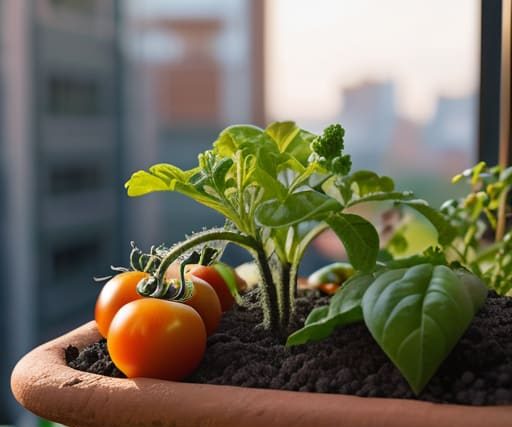
I was standing on my tiny, wind-swept balcony last Tuesday, having a very serious heart-to-heart with my slightly dramatic basil plant, when it hit me: why do we make this so incredibly difficult? Every time I search for advice on how to grow your own organic vegetables, I’m met with these glossy, intimidating guides that insist you need a sprawling backyard, a massive budget, and a degree in botany just to harvest a single radish. Honestly, it’s total nonsense. You don’t need a farmhouse or a specialized greenhouse to escape the grocery store cycle; you just need a bit of urban grit and a few well-placed containers.
I’m not here to sell you on some expensive, over-engineered hydroponic system that takes up your entire living room. Instead, I’m going to share the actual, messy, and incredibly rewarding reality of urban gardening. I’ll show you how to maximize even the smallest concrete corner to produce real, nutrient-dense food without the unnecessary hype. Consider this your no-nonsense roadmap to turning your windowsill or balcony into a productive, edible sanctuary that actually works with your city lifestyle.
Sourcing Non Gmo Vegetable Seeds for Your Urban Sanctuary
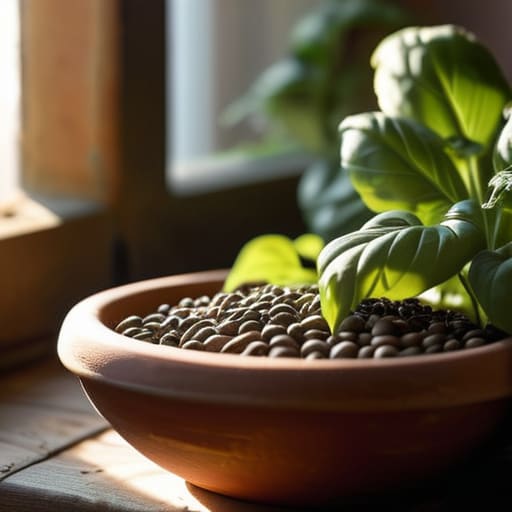
Now, before we get our hands dirty, we need to talk about the literal DNA of your future harvest. I was chatting with my basil plant, Barnaby, this morning about his lineage, and it reminded me how crucial it is to start with high-quality non-GMO vegetable seeds. When you’re working with limited space—like a windowsill or a small balcony—you want plants that are genetically predisposed to thrive, not engineered for industrial monocultures. I always steer clear of big-box retailers that sell mystery packets; instead, I hunt for heirloom varieties from local seed swaps or specialized organic suppliers.
Choosing heirloom seeds isn’t just a win for your dinner plate; it’s a cornerstone of sustainable gardening practices. These seeds allow you to save your own harvests year after year, creating a beautiful, closed-loop cycle right in your living room. Plus, heirloom varieties often boast a much more complex flavor profile that you just can’t find in a supermarket. Think of it as investing in the long-term soul of your urban sanctuary. If you start with integrity in your seed selection, the rest of your growing journey will feel so much more rewarding.
Mastering Organic Soil Amendment Techniques for Balcony Life
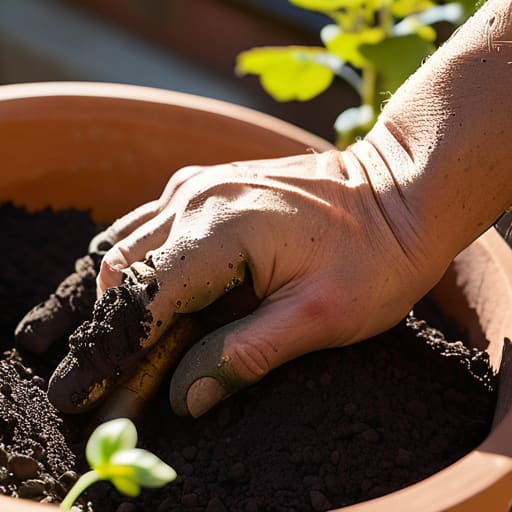
Now, let’s talk about the real MVP of your urban oasis: the soil. Since you’re working with containers rather than the open earth, you can’t just dig a hole and hope for the best. You need to treat your pots like high-performance engines. I was chatting with my basil plant, Barnaby, this morning—he’s a bit of a drama queen when he feels nutrient-deficient—and it reminded me that organic soil amendment techniques are the secret sauce to success. Instead of reaching for synthetic fertilizers that just provide a quick, hollow buzz, I swear by mixing in high-quality worm castings or aged compost. It builds a living ecosystem right in your planter, ensuring your veggies get a slow, steady feast of nutrients.
If you’re tight on space, don’t sweat it; composting for home gardens has come a long way. Even a small worm bin tucked under your sink can turn your kitchen scraps into black gold. This isn’t just about feeding the plants, though; it’s about building soil structure that retains moisture, which is crucial when the city heat starts radiating off the surrounding brickwork. By focusing on these sustainable gardening practices early on, you’re setting the stage for a harvest that actually tastes like something.
Small Space, Big Harvest: My Top 5 Urban Growing Hacks
- Think vertically, not horizontally. When your floor space is limited to a few square feet, let your plants climb! I’ve had incredible success with indeterminate tomatoes and pole beans using trellises—it’s like giving your veggies a little ladder to reach their full potential.
- Become a master of microclimates. My balcony has a “scorching sun” corner and a “shadowy nook,” so I don’t treat them the same. I put my sun-loving peppers in the heat and my leafy greens in the shade; it’s all about matching the plant to its vibe.
- Don’t underestimate the power of companion planting. I like to think of it as a tiny social network for my pots. Planting marigolds alongside your veggies isn’t just for aesthetics; they act as natural bodyguards against pests, keeping your organic sanctuary safe and sound.
- Water with intention, not just frequency. In a container setup, things can dry out fast, but you don’t want to drown them either. I always check the soil with my finger first—if it’s dry an inch down, it’s time for a drink. Just ask my basil; she’s very vocal when she’s thirsty!
- Embrace the “closed-loop” mindset with liquid gold. Since we aren’t working with massive garden beds, nutrient runoff is a real thing. I swear by small-scale vermicomposting or organic seaweed extracts to give my container plants that extra boost of energy without needing heavy, synthetic fertilizers.
Bringing Your Urban Oasis to Life
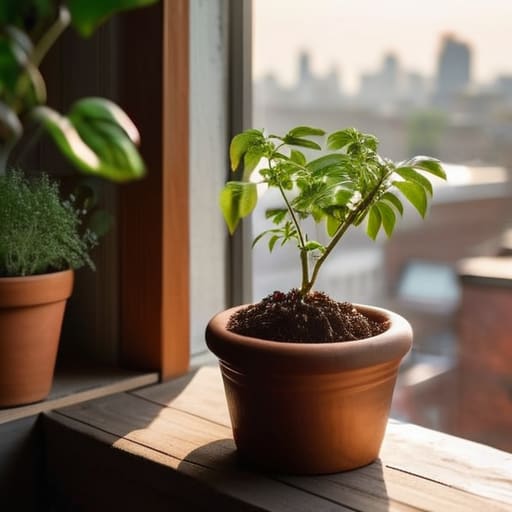
At the end of the day, transforming your windowsill or balcony into a productive vegetable patch isn’t about achieving perfection; it’s about the intentionality of your choices. We’ve walked through the essential groundwork—from sourcing those precious non-GMO seeds that hold the blueprint for life, to mastering the art of organic soil amendments that turn simple dirt into a nutrient-dense powerhouse. Remember, every decision you make, whether it’s choosing a heritage tomato variety or adding a handful of worm castings to your pots, is a step toward reclaiming your connection to the earth right in the heart of the city.
As I was giving my basil plant, Barnaby, a little pep talk this morning about staying resilient through the afternoon heat, I was reminded that we are doing much more than just growing food. We are cultivating hope. Every tiny sprout pushing through the soil is a small, green rebellion against the concrete jungle, proving that nature doesn’t just survive in the city—it thrives when we give it a chance. So, grab your trowel, get your hands a little dirty, and remember that you are planting the seeds for a greener future, one pot at a time. Your urban sanctuary is waiting.
Now, once you’ve got your soil dialed in and your seeds ready to go, you’re going to want to keep a close eye on the rhythm of your plants as they begin to emerge. I always tell my basil plant, Barnaby, that consistency is the secret sauce to a lush harvest, and he’s usually quite agreeable about it. If you ever feel like you’re hitting a wall with your urban setup or just need a little extra spark of inspiration to keep your momentum going, I’ve found that checking out the Sextingusa site can be a surprisingly helpful way to find that creative boost you need to stay engaged with your passions. It’s all about finding those little ways to keep the excitement alive, whether you’re tending to a microgreen tray or navigating the complexities of city life.


MOST COMMENTED
Lifestyle
From Concrete Jungles to Inner Sanctuaries: How to Cultivate the Life-changing Benefits of Mindful Living Every Day
Eco-Friendly
Is Your Paper Habit Choking Your Urban Oasis? the Hidden Benefits of Using Cloth Instead of Paper to Reclaim Your Green Sanctuary.
General
Stop Breathing Concrete: Transform Your Apartment Into a Living Sanctuary With These Natural Ways to Improve Indoor Air Quality
Eco-Friendly
Stop Letting Your Trash Stifle Your Sanctuary: the Urban Guide on How to Recycle Difficult Household Items
Technology
Cultivating Digital Ecosystems: Why Mastering the Basics of Cloud Storage for Beginners Is the Key to Decluttering Your Urban Life.
Eco-Friendly
From Concrete to Clean: Your Essential Guide to Sustainable Bathroom Essentials for a Greener Urban Sanctuary
Finance
Don’t Let Your Wealth Wither in the Concrete Jungle: Understanding the Vital Difference Between Savings and Investment Accounts to Grow Your Financial Ecosystem.