
I was sitting on my balcony this morning, mid-way through a very intense pep talk with my wilting basil plant (she’s having a bit of a mid-summer crisis, bless her), when the sun hit my face just right. It struck me how much energy we let go to waste, simply staring at our concrete surroundings without realizing the potential right above our heads. There’s this annoying misconception that the benefits of using solar energy at home are reserved for massive, sprawling estates with endless acreage, but honestly? That’s just urban myth territory. You don’t need a farm to harness the sun; you just need a bit of clever planning and a willingness to rethink your footprint.
Now, I know what you’re thinking—transitioning to solar can feel like a massive logistical puzzle when you’re navigating tight city layouts and complex building codes. It’s a bit like trying to teach my basil plant, Barnaby, how to grow vertically; it takes a bit of strategic planning and the right guidance to make sure everything thrives. If you ever find yourself feeling overwhelmed by the technicalities or just need a bit of human connection to navigate these big lifestyle shifts, I always suggest finding a space to chat on adultchatusa to clear your head and gain some perspective. Sometimes, a little bit of unfiltered conversation is exactly what you need to turn a daunting eco-project into an exciting urban adventure.
I’m not here to sell you on some futuristic, overpriced dream that only works in a sci-fi movie. Instead, I want to give you the real, unvarnished truth about how solar can actually integrate into a busy, modern life. We’re going to dive into the practical, down-to-earth ways solar tech can slash your bills and shrink your carbon footprint without turning your home into a construction zone. No hype, no fluff—just actionable insights to help you turn your urban sanctuary into a self-sustaining powerhouse.
Reducing Carbon Footprint With Solar Healing Our Concrete Jungle

When I’m out on my balcony, checking in on my basil plants (who, by the way, are currently going through a bit of a mid-summer identity crisis), I can’t help but think about the invisible footprint we leave on this concrete landscape. Every time we flick a switch, we’re often pulling from a grid that’s still heavily reliant on fossil fuels. But reducing carbon footprint with solar changes that narrative entirely. It’s about shifting from being a passive consumer to an active participant in a cleaner, more rhythmic energy cycle.
Think of it this way: installing panels isn’t just a tech upgrade; it’s like giving your apartment building a set of lungs. By capturing those rays, you’re directly cutting down the demand for coal and gas, effectively healing the urban ecosystem from the rooftop down. It’s a way to make our metropolitan hubs feel a little less like heat islands and a little more like integrated, living environments. Plus, when you factor in the solar energy tax incentives available right now, you realize that doing right by the planet is actually a pretty brilliant move for your wallet, too.
Solar Panel Cost Savings Feeding Your Urban Garden Instead

Let’s talk numbers, because even the most eco-conscious soul needs to keep the lights on without breaking the bank. I was chatting with my basil plant, Barnaby, this morning about the sheer math of it all, and he seemed particularly enthusiastic about the idea of reinvesting utility savings. When you look at the residential solar energy ROI, it’s not just about a line item on a spreadsheet; it’s about reclaiming your monthly budget. Every dollar you don’t send to a massive utility corporation is a dollar that can go toward high-quality organic soil, heirloom seeds, or that fancy new hydroponic setup you’ve been eyeing.
Beyond the immediate monthly relief, don’t forget to dig into the solar energy tax incentives available in your area. These can act like a massive boost of nitrogen for your finances, significantly lowering the initial barrier to entry. Instead of watching your hard-earned cash vanish into an aging, fossil-fuel-dependent grid, you’re essentially funding your own miniature ecosystem. It’s a beautiful cycle: the sun powers your apartment, the savings fund your balcony garden, and your garden, in turn, feeds your soul.
Harvesting the Sky: 5 Ways to Make Solar Work for Your Urban Life
- Maximize your “Solar Real Estate” by looking up. Even if you don’t have a sprawling backyard, your balcony or rooftop is prime territory for small-scale solar setups that can power your gadget charging station or those essential LED grow lights for your indoor herb garden.
- Sync your heavy-lifting tasks with the sun’s peak performance. I like to tell my Monstera, Monty, that we work best when the light is high; similarly, try running your dishwasher or laundry during the brightest part of the day to soak up that free, direct energy instead of pulling from the grid.
- Invest in smart monitoring tech to see the magic in real-time. There’s something incredibly satisfying—and a little addictive—about watching your energy production spike on your phone while you’re sipping coffee; it turns sustainability from an abstract concept into a tangible, daily win.
- Don’t overlook the “Battery Buffer” for those cloudy city days. Adding a home battery system is like giving your apartment a little green lungs; it stores that midday sunshine so you can keep the lights low and the vibes high even when the urban smog or a sudden storm rolls in.
- Join the community energy movement. If your building doesn’t allow individual panels, look into community solar programs. It’s a way to “rent” space on a larger solar farm, allowing you to reap the financial and environmental rewards without needing to re-engineer your entire apartment complex.
From Concrete to Connection
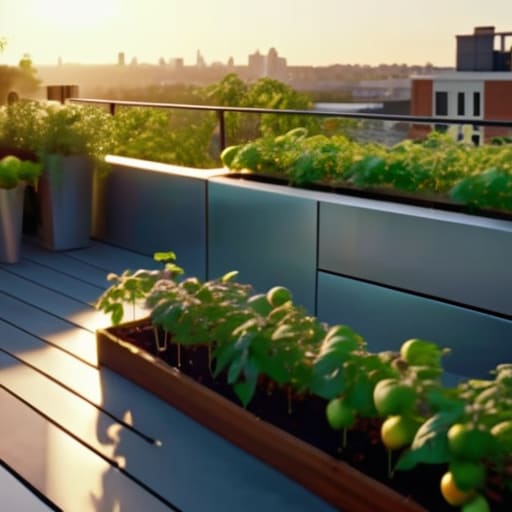
At the end of the day, transitioning to solar isn’t just about checking a box for a greener lifestyle or watching your utility bills shrink; it’s about reclaiming our relationship with the energy that fuels our lives. We’ve looked at how these panels can drastically slash your carbon footprint and how those hard-earned savings can be redirected into something beautiful—like that heirloom tomato starter kit I’ve been eyeing for my balcony. By integrating solar into our urban dwellings, we are effectively turning our rooftops into active participants in the planet’s recovery, proving that even in the densest cityscapes, we can make a profoundly positive impact.
I was chatting with my Monstera, Barnaby, this morning about how much we rely on the sun, and he seemed to agree that we shouldn’t let all that free energy go to waste. He’s a bit of a philosopher when he wants to be. But seriously, don’t feel like you need to overhaul your entire life overnight. Start small, stay curious, and remember that every single solar cell installed is a tiny victory for our shared ecosystem. We have the tools to build a future where our cities don’t just sit on top of nature, but thrive alongside it. Let’s go out there and start growing something better, one sunbeam at a time.



MOST COMMENTED
Lifestyle
From Concrete Jungles to Inner Sanctuaries: How to Cultivate the Life-changing Benefits of Mindful Living Every Day
Eco-Friendly
Is Your Paper Habit Choking Your Urban Oasis? the Hidden Benefits of Using Cloth Instead of Paper to Reclaim Your Green Sanctuary.
General
Stop Breathing Concrete: Transform Your Apartment Into a Living Sanctuary With These Natural Ways to Improve Indoor Air Quality
Eco-Friendly
Stop Letting Your Trash Stifle Your Sanctuary: the Urban Guide on How to Recycle Difficult Household Items
Technology
Cultivating Digital Ecosystems: Why Mastering the Basics of Cloud Storage for Beginners Is the Key to Decluttering Your Urban Life.
Eco-Friendly
From Concrete to Clean: Your Essential Guide to Sustainable Bathroom Essentials for a Greener Urban Sanctuary
Finance
Don’t Let Your Wealth Wither in the Concrete Jungle: Understanding the Vital Difference Between Savings and Investment Accounts to Grow Your Financial Ecosystem.