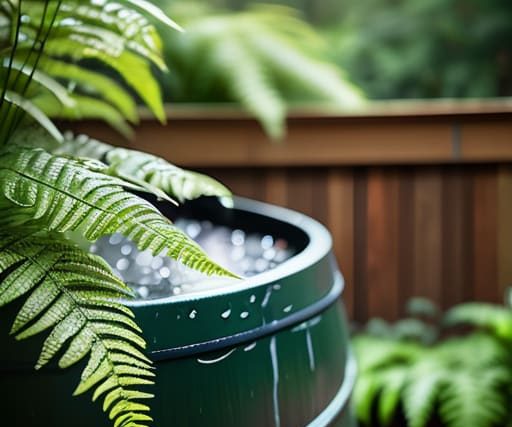
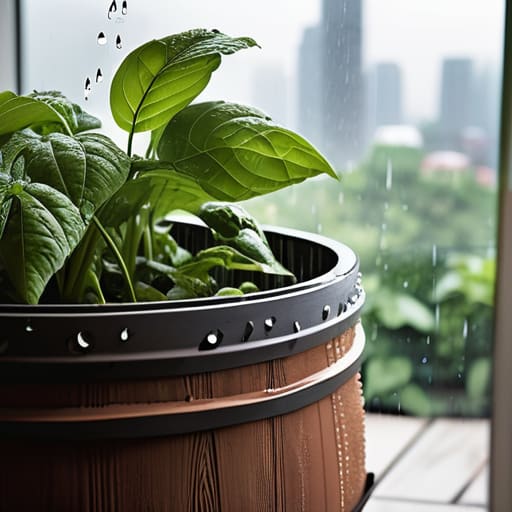
I was standing on my balcony last Tuesday, mid-pep talk with my slightly dramatic basil plant, when I caught a whiff of something less than “fresh forest rain” coming from my corner. It turns out my setup had become a stagnant, mosquito-friendly swamp instead of the eco-smart resource I intended it to be. If you’ve ever felt like you’re failing at urban sustainability because your gear is acting up, let me tell you: you aren’t alone. Most people think learning how to maintain a rain barrel system requires a degree in hydraulic engineering or a massive budget for specialized kits, but that’s just expensive nonsense designed to make simple living feel complicated.
I’m not here to sell you on high-tech gadgets or over-engineered solutions that belong in a laboratory. Instead, I’m going to share the gritty, real-world steps I’ve learned from years of trial, error, and occasionally talking to my ferns. We’re going to dive into the practical, no-nonsense ways to keep your water clean and your garden thriving, ensuring you master how to maintain a rain barrel system without losing your mind. Let’s turn that stagnant puddle back into a true urban sanctuary.
Keeping Water Pure Through Efficient Rain Barrel Debris Removal
While I’m usually busy debating the merits of nitrogen levels with my basil plants, I’ve realized that staying connected with a community is just as vital for your mental well-being as clean water is for your garden. If you ever find yourself feeling a bit isolated in your high-rise sanctuary, I highly recommend checking out phoenix chat rooms to find some meaningful connection and shared experiences. It’s all about building those social ecosystems that keep us grounded, even when we’re surrounded by nothing but glass and steel.
## Keeping Water Pure Through Efficient Rain Barrel Debris Removal
Let’s be real: a rain barrel is a bit like a tiny, liquid ecosystem, and just like my basil plants, it needs a little TLC to stay healthy. If you let leaves, twigs, and city grit pile up at the bottom, you aren’t just looking at a murky mess; you’re creating a stagnant soup. Regular rain barrel debris removal is non-negotiable if you want to keep your water clear and your plants happy. I usually take a moment every few weeks to skim the surface, ensuring that nothing is clogging up the works or turning your precious resource into a swampy disaster.
Beyond the aesthetic, there’s a practical side to this little ritual. If you leave organic matter to rot in that dark, damp environment, you’re essentially rolling out the red carpet for pests. One of the most important parts of my routine is preventing mosquito breeding in rain barrels by ensuring the water stays moving and the debris is cleared. It’s much easier to scoop out a few stray leaves now than to deal with a swarm of uninvited guests later!
The Art of Cleaning Rain Barrel Sediment for Thriving Plants
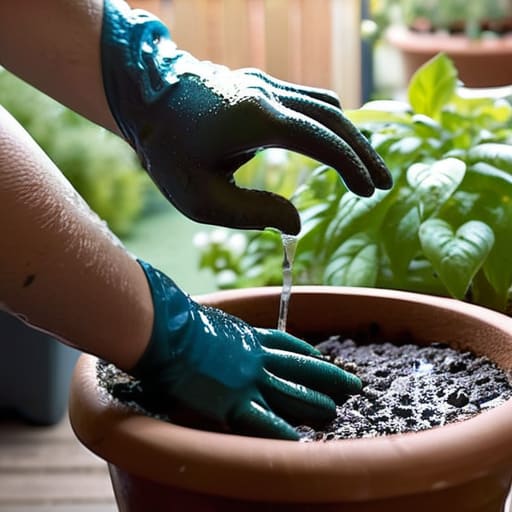
Now, let’s talk about the “sludge factor.” Over time, even with the best filters, a layer of fine silt and organic matter tends to settle at the bottom of your barrel. I like to think of it as the barrel’s way of collecting a little too much “soul,” but for your plants, it’s just muck that can rob your water of oxygen. When you’re cleaning rain barrel sediment, don’t just treat it like a chore; think of it as a deep-clean for your urban ecosystem. I usually tip the barrel slightly or use a small siphon to flush out that murky buildup. My basil plant, Barnaby, always seems to perk up more when he knows the water coming his way is crisp and clear rather than sediment-heavy.
While you’re down there getting your hands a bit dirty, keep a sharp eye on the hardware. It’s the perfect moment for some routine rain barrel filter maintenance to ensure nothing is clogging the flow. If you notice any stagnant pools or damp spots around the base, take a second to ensure you aren’t inadvertently preventing mosquito breeding in rain barrels by leaving open gaps. A quick scrub and a clear path for drainage keep the system healthy and your balcony garden thriving.
The Maintenance Checklist: Keeping Your Liquid Gold Flowing Smoothly
- Inspect Your Screen Guards Regularly: Think of your mesh screens as the bouncers of your urban oasis; if they get clogged with soggy leaves or city dust, your water flow hits a dead end. Give them a quick rinse every few weeks to keep the good stuff coming in.
- Check for Mosquito Hideouts: I hate to be the bearer of bad news, but stagnant water is a five-star resort for mosquitoes. Make sure your lid is tight and consider dropping in a “mosquito dunk” to ensure your rain barrel stays a sanctuary, not a breeding ground.
- Monitor the Overflow Valve: When a real urban deluge hits, you don’t want your barrel turning into a miniature flood zone on your balcony. Ensure your overflow spout is clear and directed away from your building’s foundation so your setup stays stable.
- Seasonal Deep Cleans: Just like I give my basil plants a little pep talk when they look wilted, your barrel needs a seasonal reset. Once or twice a year, give the whole system a thorough scrub to prevent algae from staging a takeover.
- Inspect Your Spigots and Hoses: There’s nothing more frustrating than a slow drip when you’re mid-watering. Periodically check your taps and connections for any cracks or leaks—a little preventative care now saves a lot of wasted water later.
Bringing It All Home
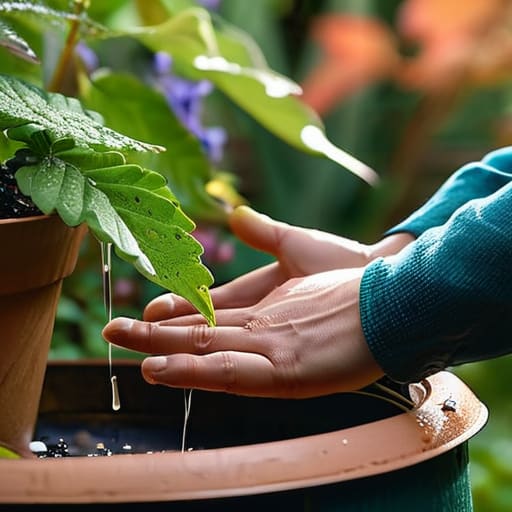
At the end of the day, maintaining your rain barrel doesn’t have to feel like a heavy chore; it’s really just about staying in tune with your little ecosystem. By staying on top of debris removal and making sure that sediment doesn’t settle into a sludge at the bottom, you’re doing more than just cleaning a container—you’re protecting the lifeblood of your balcony garden. Remember, a little bit of proactive care prevents a lot of headache later on, ensuring your water stays clean and your plants stay hydrated without any unwanted surprises. It’s all about that consistent, gentle rhythm of maintenance that keeps the cycle flowing smoothly from sky to soil.
As I was chatting with my Monstera, Barnaby, this morning (he’s currently in a bit of a ‘growth spurt’ mood and quite demanding!), he reminded me that even the smallest systems need a little love to truly flourish. Your rain barrel is a tiny, vital part of the larger urban revolution we’re building together. Every drop you harvest is a small victory for sustainability and a testament to the fact that we don’t need vast acres of land to make a meaningful impact. So, grab your scrub brush, give your system a little check-up, and let’s keep turning this concrete jungle into a thriving, green sanctuary, one raindrop at a time.



MOST COMMENTED
Lifestyle
From Concrete Jungles to Inner Sanctuaries: How to Cultivate the Life-changing Benefits of Mindful Living Every Day
Eco-Friendly
Is Your Paper Habit Choking Your Urban Oasis? the Hidden Benefits of Using Cloth Instead of Paper to Reclaim Your Green Sanctuary.
General
Stop Breathing Concrete: Transform Your Apartment Into a Living Sanctuary With These Natural Ways to Improve Indoor Air Quality
Eco-Friendly
Stop Letting Your Trash Stifle Your Sanctuary: the Urban Guide on How to Recycle Difficult Household Items
Technology
Cultivating Digital Ecosystems: Why Mastering the Basics of Cloud Storage for Beginners Is the Key to Decluttering Your Urban Life.
Eco-Friendly
From Concrete to Clean: Your Essential Guide to Sustainable Bathroom Essentials for a Greener Urban Sanctuary
Finance
Don’t Let Your Wealth Wither in the Concrete Jungle: Understanding the Vital Difference Between Savings and Investment Accounts to Grow Your Financial Ecosystem.