
I was sitting on my balcony yesterday, trying to convince my slightly dramatic basil plant, Barnaby, that he wasn’t actually “wilting from sadness” but just needed a bit more nitrogen, when I caught myself staring at a pile of discarded, glitter-coated wrapping paper from a recent birthday. It hit me: we’ve been sold this lie that being sustainable during the holidays has to be an expensive, high-maintenance aesthetic involving artisanal recycled sheets that cost more than the actual gift. Honestly, if you’re looking for complex tips for eco friendly gift wrapping that require a PhD in upcycling and a massive budget, you’re looking in the wrong place. We need to stop treating sustainability like a luxury boutique item and start treating it like the common-sense urban survival skill it actually is.
While we’re busy rethinking our wrapping habits, I always find it helpful to step back and look at the bigger picture of how we connect with our surroundings and the people in them. Sometimes, finding that perfect balance between our fast-paced urban lives and the authentic, spontaneous moments we crave can feel a bit like trying to grow basil in a north-facing studio apartment—a little tricky, but totally rewarding once you find the right rhythm. If you’re looking to navigate those unexpected social connections or just want to explore the more unfiltered side of city life, checking out casual encounters miami can be a great way to lean into the spontaneous energy that makes living in a concrete jungle so vibrant. Just like a well-tended garden, life is all about embracing the organic flow of things.
I’m not here to give you a curated list of overpriced, “eco-chic” products you can find in a high-end lifestyle magazine. Instead, I’m sharing the gritty, practical, and honestly quite beautiful methods I’ve honed through years of navigating small-space living and urban planning. I promise to provide you with straightforward, zero-waste hacks that utilize what you already have in your junk drawer or your garden. We’re going to turn your next gifting session into a way to celebrate the planet, not add to its landfill problem.
Sustainable Gift Wrap Alternatives for City Living
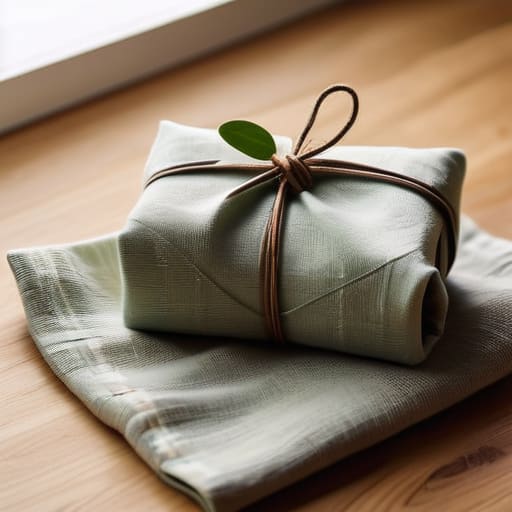
When you’re living in a compact apartment, the last thing you need is a mountain of discarded, glitter-coated paper cluttering up your recycling bin. Instead of reaching for that shiny, non-recyclable stuff, I’ve been experimenting with some seriously clever sustainable gift wrap alternatives that actually look intentional and chic. One of my absolute favorites is the Japanese art of Furoshiki. It’s essentially using beautiful scraps of fabric to bundle your gifts, and once the celebration is over, the “wrap” becomes a useful kitchen towel or a reusable bag. It’s a win-win for your space and the planet.
If you aren’t quite ready to commit to fabric, don’t overlook the magic of what’s already in your pantry or on your windowsill. I recently had a long chat with my basil plant (who, by the way, is feeling very ambitious this week) about how much better a package looks when it’s adorned with compostable gift decorations like dried citrus slices or sprigs of rosemary. You can also lean into recyclable paper gift wrapping ideas by using old brown grocery bags or even pages from outdated vintage books. It gives your presents that perfect, slightly weathered, eco-chic aesthetic that says you actually put thought into the details.
Biodegradable Wrapping Materials That Love the Earth
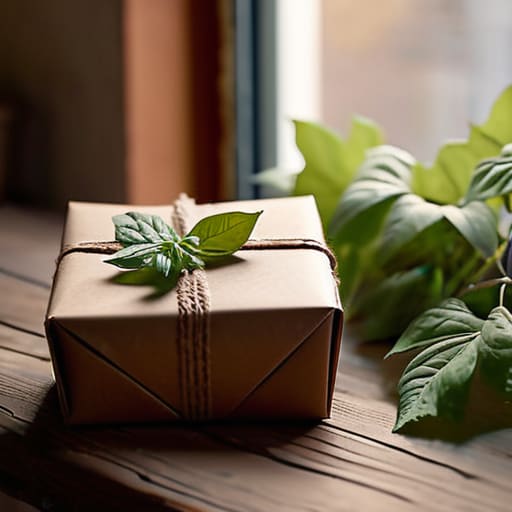
If you’re looking to minimize your footprint this season, I always tell my basil plant, Barnaby, that the best gifts are the ones that don’t leave a permanent scar on the planet. One of my absolute favorite ways to achieve this is by leaning into biodegradable wrapping materials that actually give back to the earth. Instead of reaching for that metallic, non-recyclable paper that sits in a landfill for decades, try hunting down FSC-certified paper or even plain brown kraft paper. You can elevate the look by pressing some wildflowers or even some fallen maple leaves from your local park directly onto the surface. It’s a beautiful way to bring a bit of the forest into your living room.
For those of us aiming for even deeper impact, I highly recommend exploring zero waste holiday gift wrapping through the lens of composting. If you use elements like twine made from jute, dried citrus slices, or even cinnamon sticks for decoration, your entire package can eventually find its way into your compost bin. It’s a closed-loop system that feels incredibly rewarding. Just think of it as feeding your future garden while celebrating your loved ones!
Small Space, Big Impact: My Top 5 Hacks for Zero-Waste Gifting

- Ditch the rolls of shiny, non-recyclable paper and raid your kitchen instead; a simple piece of brown butcher paper or even a clean, patterned tea towel makes for a stunning, reusable wrap that feels much more intentional.
- Get creative with your “decor” by foraging from your own balcony—dried citrus slices, a sprig of rosemary from your herb pot, or even a few interesting fallen leaves add a high-end, organic touch without a hint of plastic.
- Swap out that suffocating plastic tape for hemp twine or cotton ribbon; it’s not only much easier on the planet, but it also gives your gifts that cozy, tactile, eco-chic aesthetic we’re all striving for.
- Instead of buying new embellishments, look to what you already have in your craft drawer or even your garden; a bit of leftover twine or some pressed wildflowers can turn a basic box into a tiny masterpiece.
- Think about the “afterlife” of the wrap by choosing materials that can be composted or reused; if your gift is wrapped in something beautiful like a scrap of linen, the recipient gets a second gift out of the box!
Wrapping Up the Green Way
At the end of the day, transitioning to eco-friendly gift wrapping doesn’t require a complete lifestyle overhaul or a massive budget; it just takes a little bit of urban ingenuity. Whether you’re repurposing old fabric scraps into beautiful Furoshiki wraps, utilizing dried botanicals from your balcony garden for a touch of elegance, or choosing biodegradable papers that won’t sit in a landfill for centuries, you are making a tangible difference. We’ve looked at how we can swap out the heavy plastics and non-recyclable glitters for meaningful, earth-first alternatives that actually add character to your gifting. Remember, every small choice—from the twine you use to the way you dispose of the packaging—is a chance to practice what we preach about urban sustainability.
As I was giving my basil plant, Barnaby, a quick pep talk this morning about staying resilient despite the limited sunlight, I realized that our environmental efforts are much like our tiny urban gardens: they thrive through consistency and care. Don’t feel discouraged if you can’t go perfectly zero-waste right away. The goal isn’t perfection; it’s about shifting our mindset from a culture of “disposable” to one of intentionality and connection. Let’s keep turning our concrete jungles into greener, more thoughtful spaces, one beautifully wrapped gift at a time. You’ve got this, and honestly, the planet is rooting for you just as much as my plants are!



MOST COMMENTED
Lifestyle
From Concrete Jungles to Inner Sanctuaries: How to Cultivate the Life-changing Benefits of Mindful Living Every Day
Eco-Friendly
Is Your Paper Habit Choking Your Urban Oasis? the Hidden Benefits of Using Cloth Instead of Paper to Reclaim Your Green Sanctuary.
General
Stop Breathing Concrete: Transform Your Apartment Into a Living Sanctuary With These Natural Ways to Improve Indoor Air Quality
Eco-Friendly
Stop Letting Your Trash Stifle Your Sanctuary: the Urban Guide on How to Recycle Difficult Household Items
Technology
Cultivating Digital Ecosystems: Why Mastering the Basics of Cloud Storage for Beginners Is the Key to Decluttering Your Urban Life.
Eco-Friendly
From Concrete to Clean: Your Essential Guide to Sustainable Bathroom Essentials for a Greener Urban Sanctuary
Finance
Don’t Let Your Wealth Wither in the Concrete Jungle: Understanding the Vital Difference Between Savings and Investment Accounts to Grow Your Financial Ecosystem.