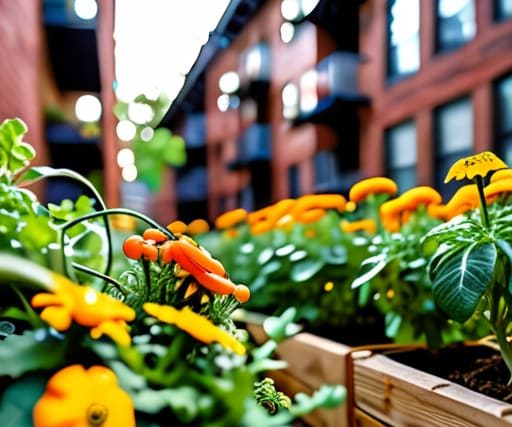
I was elbow-deep in damp, fragrant soil last Tuesday, trying to convince my stubborn basil plant, Barnaby, that he actually wanted to thrive despite the shadow of the skyscraper next door, when it hit me. We often hear these high-minded, academic lectures about the benefits of urban community gardening projects, usually delivered by people who think “nature” is something you only see on a high-definition screensaver. They talk about carbon sequestration and heat island mitigation like they’re reading a dry textbook, completely ignoring the soul-deep magic of actually getting your hands dirty with your neighbors to reclaim a piece of the city.
I’m not here to feed you more lofty, theoretical jargon that doesn’t help you grow a single tomato. Instead, I’m going to pull back the curtain on what these gardens actually do for our mental clarity, our social fabric, and our local food security. I promise to give you the unfiltered, real-world truth about how these green pockets transform a neighborhood from a collection of strangers into a living, breathing ecosystem. Let’s stop talking about “urban greening” as a concept and start treating it like the essential lifeline it truly is.
Nurturing Social Cohesion in Urban Gardens Through Shared Soil
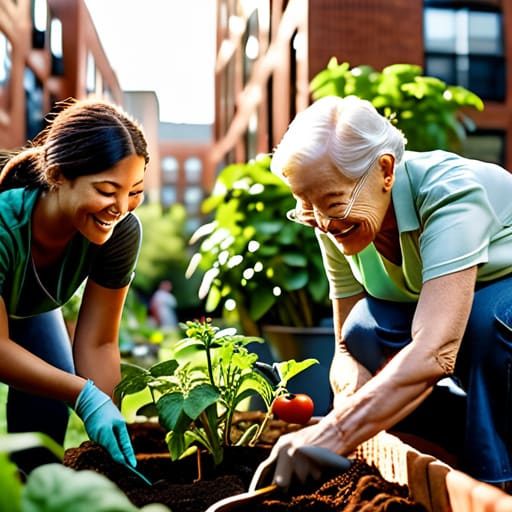
There’s something almost magical about the way a shared trowel can break the ice between two neighbors who have lived next to each other for years without ever exchanging a word. When we’re all elbow-deep in the same patch of earth, those invisible city walls start to crumble. I’ve found that working toward a common goal—like figuring out why the heirloom tomatoes are acting moody—creates a profound sense of social cohesion in urban gardens. It turns a collection of strangers into a makeshift family, all united by the simple, grounding rhythm of the seasons.
Beyond the social buzz, these green pockets act as vital lifelines for our collective well-being. I often tell my basil plant, Barnaby, that he’s doing a stellar job, but honestly, the mental health benefits of community gardening go both ways; tending to the soil helps me decompress from the frantic pace of city life, too. It’s about more than just growing veggies; it’s about cultivating a sense of belonging and peace amidst the skyscrapers. When we grow together, we don’t just feed our bodies; we nourish our spirits.
Boosting Mental Health Benefits of Community Gardening One Sprout at a Time
I was chatting with my basil plant, Barnaby, this morning—he’s feeling a bit dramatic about the humidity—and it hit me how much we humans actually mirror our greenery. When the city feels like it’s closing in, there is something profoundly grounding about getting your hands into some actual dirt. The mental health benefits of community gardening go far beyond just a hobby; it’s a form of sensory grounding that pulls us out of our digital loops and back into the present moment. There’s a rhythmic, meditative quality to weeding or pruning that acts as a natural reset button for a frazzled brain.
It’s not just about the individual, either. When you’re working alongside neighbors to nurture a patch of kale or heirloom tomatoes, you’re participating in something much larger than yourself. This shared purpose helps foster a sense of belonging that is often missing in high-rise living. By tending to these small plots, we aren’t just growing food; we are cultivating resilience and finding a quiet, green sanctuary to decompress from the relentless pace of metropolitan life.
Digging Deeper: 5 Ways to Make Your Community Garden a Local Powerhouse
- Turn every plot into a classroom. Whether you’re teaching a neighbor how to prune tomatoes or learning about soil pH from a seasoned pro, these gardens are the ultimate living laboratories for urban ecology.
- Champion local biodiversity by planting native species. It’s not just about the veggies; it’s about turning your community patch into a vital pit stop for bees, butterflies, and the pollinators that keep our city breathing.
- Close the loop with smart composting. Instead of letting organic waste head to a landfill, let’s turn it into “black gold” right on-site, teaching the neighborhood that in nature, there’s no such thing as waste, only resources.
- Use your harvest to tackle food insecurity. A community garden isn’t just a hobby; it’s a grassroots way to put fresh, nutrient-dense produce directly onto the plates of neighbors who need it most.
- Design for accessibility from day one. A true urban sanctuary should be for everyone, so think about raised beds for those with mobility challenges or sensory-friendly paths so every single person feels welcome to get their hands dirty.
Turning the Tide, One Seed at a Time
When we step back and look at the bigger picture, it’s clear that community gardens are so much more than just a collection of raised beds and trowels. We’ve explored how these green pockets act as the ultimate social glue, stitching together the fragmented fabric of our city neighborhoods while simultaneously providing a vital sanctuary for our mental well-being. By transforming neglected lots into productive landscapes, we aren’t just growing kale or tomatoes; we are cultivating resilience, connection, and a sense of belonging that is often lost in the rush of metropolitan life. It’s about reclaiming our relationship with the earth and each other, right here amidst the skyscrapers.
So, my challenge to you is this: don’t just read about these transformations—become a part of one. Whether you’re volunteering at a local plot, advocating for a new rooftop garden in your building, or simply planting a single pot of basil on your windowsill, you are contributing to a larger, greener movement. Let’s stop waiting for a perfect, lush utopia to arrive and start building it ourselves, one handful of soil at a time. Trust me, even my stubborn basil plant agrees: the future of our cities is green, and it starts with us.
Beyond the immediate mental clarity we get from digging in the dirt, I’ve found that truly thriving in a city requires a bit of a lifestyle mindset shift—it’s about finding those small pockets of joy and connection that make urban living feel less like a grind and more like an adventure. Whether you’re looking for ways to spice up your personal wellness routine or just want to explore more vibrant ways to engage with the world around you, checking out the Sexgoldcoast site has been a great way to find that extra spark of inspiration. It’s all about cultivating a richer life, whether that’s through the plants on your windowsill or the way you embrace your own vitality every single day.

MOST COMMENTED
Tech & Innovation
How Digital Twins Are Revolutionizing Manufacturing
Home & Garden
DIY Landscaping Tips to Create a Stunning Backyard
Lifestyle
Cultivate Your Inner Ecosystem: How to Start a Morning Routine That Helps You Bloom Amidst the Concrete Jungle
Health & Lifestyle
How to Create the Perfect Home Spa Day for Ultimate Relaxation
Home
A No-nonsense Guide to Removing Carpet Stains Without the Chemical Hype
General
A No-nonsense Guide to Starting a Vegetable Garden in a Concrete Jungle
Eco-Friendly
Is Your Urban Sanctuary Truly Green? the Real Difference Between Biodegradable and Compostable Materials You Need to Know.