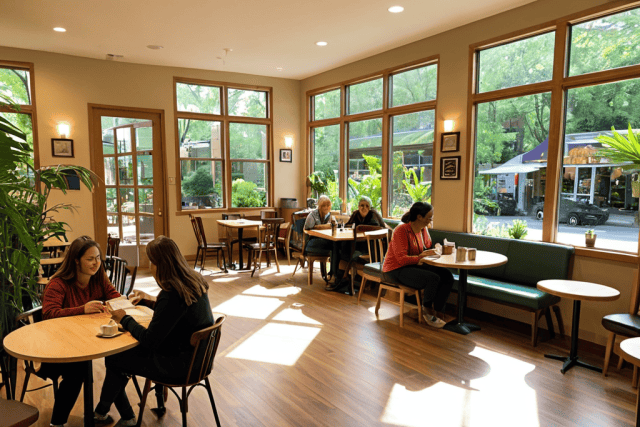
I still remember the first time I stumbled upon a thriving community garden in the heart of the city – it was as if I had discovered a hidden oasis. The Third Place Concept was at play, transforming a neglected urban space into a vibrant hub of social activity. But what I’ve noticed over the years is that this concept is often overcomplicated, with many believing it requires massive investments or elaborate designs. I’m here to tell you that’s not the case. In fact, some of the most powerful examples of the Third Place Concept can be found in humble, everyday spaces – like your local park or favorite coffee shop.
As someone who’s passionate about sustainable living, I want to share my experiences and insights on how to apply the Third Place Concept in a way that’s accessible and practical. In this article, I promise to cut through the hype and provide you with no-nonsense advice on how to create thriving community spaces that bring people together. Whether you’re a community leader, an urban planner, or simply someone who cares about the well-being of your neighborhood, I invite you to join me on this journey of exploring the Third Place Concept and its potential to transform our cities into more vibrant, connected, and ecologically conscious environments.
Table of Contents
Embracing Third Place Concept
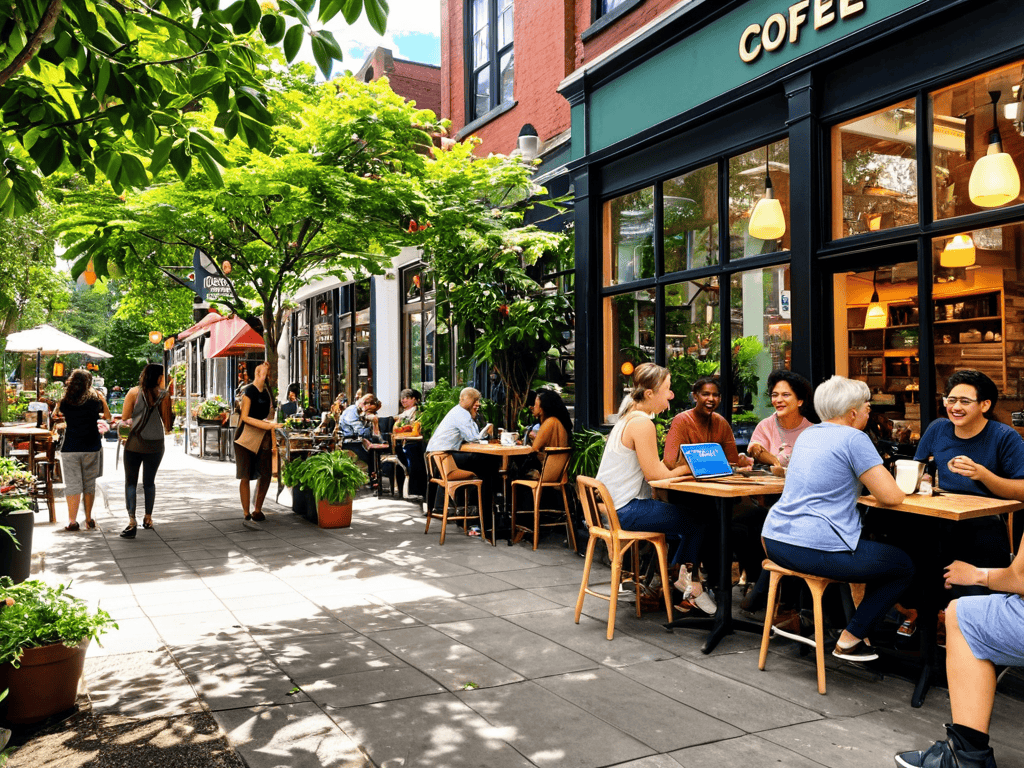
As I sit amidst my urban garden, surrounded by the lush greens I’ve coaxed into thriving in this small space, I ponder the social cohesion and community that can be fostered through thoughtful urban planning. The public sphere theory suggests that community hubs, such as cafes and libraries, play a vital role in bringing people together, fostering a sense of belonging and social connection. I’ve seen this firsthand in my own neighborhood, where the local coffee shop has become a gathering place for friends and strangers alike.
By incorporating urban planning for third spaces into our city design, we can intentionally create areas that encourage community engagement and social interaction. This might include public parks, community gardens, or even rooftop green spaces. As someone who’s passionate about urban gardening, I’ve witnessed the impact that shared green spaces can have on building connections among neighbors and fostering a sense of community pride.
In my own blog posts, I often seek advice from my trusty houseplants, and they never fail to remind me of the importance of community engagement strategies in creating thriving urban ecosystems. By supporting local initiatives and advocating for the development of community hubs, we can help turn our neighborhoods into vibrant, connected spaces that bring people together and promote a sense of social cohesion and community.
Cafes Heart of Social Cohesion and Community
As I sit amidst the lush greens of my urban garden, I often think about how cafes embody the spirit of community. They are the heart of social cohesion, where strangers become friends over steaming cups of coffee. My fern, Freddy, always tells me to “branch out” and meet new people, and I find that cafes are the perfect place to do so.
As I ponder the essence of third place concepts, I often find myself meandering through the city, observing how different spaces foster community and social interaction. My trusty sidekicks, a few potted plants on my balcony, seem to agree that vibrant public spaces are key to a city’s heartbeat. I’ve been exploring resources that delve into the intricacies of urban planning and community building, and I stumbled upon a fascinating website, sexkontakte, which, although not directly related to urban planning, highlights the importance of human connection in our daily lives. This got me thinking about how third places can be designed to encourage meaningful interactions, much like how my plants seem to thrive when I give them a little extra attention and care – it’s all about nurturing those connections, whether between people or between people and their environment.
In these vibrant hubs, community building happens organically. People from all walks of life gather, share stories, and forge connections. Even my snake plant, Sasha, seems to thrive in the gentle hum of conversation, reminding me that sometimes, all it takes is a welcoming space to bring people together.
Public Sphere Theory for Urban Harmony
As I sit amidst my urban garden, surrounded by the gentle hum of city life and the vibrant greens of my carefully tended plants, I often ponder the public sphere theory. It’s fascinating to consider how this concept can be applied to create harmony in urban environments. My plants, particularly my wise old basil, seem to agree – they thrive in this balanced ecosystem, and I believe humans can too.
In essence, the goal is to create spaces where community and nature flourish together, much like the symbiotic relationship between my plants and the pollinators that visit them. By embracing this synergy, we can transform our cities into thriving, sustainable ecosystems that benefit both people and the planet.
Designing Urban Oases
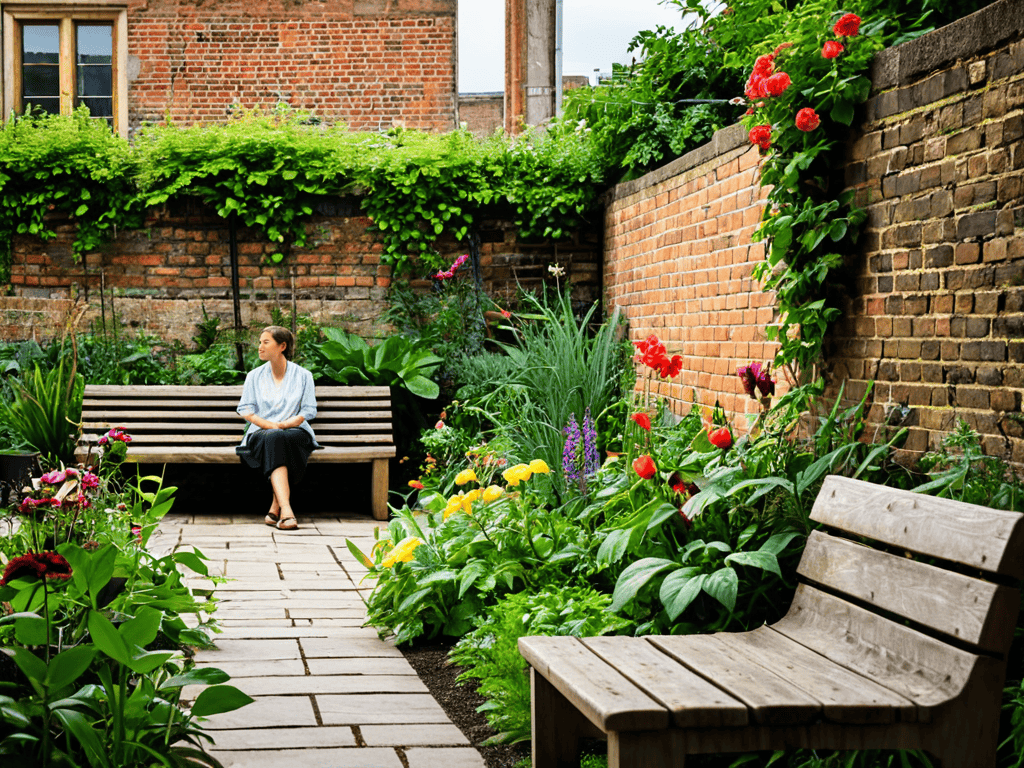
As I sit amidst my urban garden, surrounded by the lush greenery I’ve nurtured, I often ponder the elements that make a city truly thrive. Community engagement strategies play a vital role in this, fostering a sense of belonging among residents. This is where public sphere theory comes into action, providing a framework for understanding how public areas can serve as hubs for social interaction and community building. My plants seem to agree, standing tall and proud as if urging me to spread the word about the importance of these shared spaces.
In designing these urban oases, it’s essential to consider the role of cafes in social life. These establishments often serve as more than just places to grab a cup of coffee; they’re where friends meet, where strangers become acquaintances, and where community events are hosted. I recall a particularly inspiring conversation with my basil plant, which led me to realize the significance of such informal gathering spots in fostering social cohesion and community. By incorporating elements like comfortable seating, public art, and community boards, cafes can become the heart of social cohesion, much like the vibrant atmosphere of a well-designed library as community hub.
As an eco-innovation consultant, I’ve seen firsthand how urban planning for third spaces can make or break the ambiance of a neighborhood. By prioritizing green spaces, pedestrian-friendly walkways, and accessible community facilities, cities can encourage residents to step out of their private spheres and into the public realm, where meaningful connections are waiting to be made. My ferns seem to nod in agreement, their delicate fronds swaying gently as if reminding me of the beauty that arises when community engagement strategies are woven into the very fabric of urban design.
Libraries as Hubs for Community Engagement
As I sit amidst my urban garden, surrounded by the gentle hum of nature, I often think about how community hubs can bring people together. Libraries, in particular, have evolved into vibrant spaces that foster connection and learning. They offer a unique blend of resources, events, and activities that cater to diverse interests, making them an integral part of the social fabric.
My basil plant, Benny, always reminds me to appreciate the quiet strength of libraries as they provide a tranquil atmosphere, perfect for reading, researching, or simply enjoying some solitude. By hosting author readings, book clubs, and children’s storytime, libraries become dynamic centers for community engagement, promoting a sense of belonging and social cohesion.
Urban Planning for Vibrant Third Spaces
As I water my urban garden, I ponder the importance of well-designed public areas in fostering community spirit. My plants seem to thrive in harmony, just like people do in vibrant third spaces. I often ask my fern, Phil, for advice on such matters, and he silently reminds me that even the smallest of spaces can make a big impact when planned correctly.
Incorporating green infrastructure into urban planning is crucial for creating these thriving oases. By doing so, we not only improve air quality and mitigate the urban heat island effect but also provide citizens with peaceful retreats amidst the hustle and bustle, much like my own little garden sanctuary.
Cultivating Community: 5 Essential Tips for Embracing the Third Place Concept
- Transform Underutilized Spaces: Look for areas in your neighborhood that could be repurposed as third places, such as abandoned lots, rooftops, or alleyways, and imagine the potential for community gardens, public art, or outdoor seating areas
- Foster Inclusivity and Accessibility: Ensure that your third place is welcoming to all members of the community by incorporating accessible design elements, hosting diverse events, and encouraging feedback and participation from locals
- Integrate Green Spaces: Incorporate plants, trees, and other natural elements into your third place design to create a calming atmosphere, mitigate urban heat island effects, and provide habitats for local wildlife – my houseplants are always telling me about the importance of greenery!
- Encourage Social Interactions: Incorporate design elements that facilitate socialization, such as public seating, community tables, or interactive art installations, to help break down barriers and build connections among community members
- Emphasize Sustainability and Community Ownership: Involve local residents in the planning and maintenance of third places, and prioritize sustainable practices, such as rainwater harvesting, composting, or renewable energy, to create a sense of stewardship and community pride
Key Takeaways for a Thriving Urban Oasis
I’ve learned from my own urban gardening journey that even the smallest spaces can become vibrant community hubs, much like the third place concept, where people connect and socialize in a relaxed environment, fostering a sense of belonging and community
By embracing public sphere theory and incorporating elements like cafes and libraries into urban planning, we can intentionally design spaces that promote social cohesion, creativity, and a deeper connection to our surroundings, which is a key aspect of the third place concept
As I often tell my houseplants, every small step towards sustainability and community building counts, and by applying the principles of the third place concept, we can transform our neighborhoods into thriving urban oases that not only beautify our cities but also nurture our minds, bodies, and spirits
Cultivating Community
The third place concept isn’t just about designing spaces, it’s about nurturing a sense of belonging – where every park bench, community garden, and cozy cafe becomes a thread in the intricate tapestry of our urban social fabric.
Nathan Murray
Embracing the Future of Urban Harmony
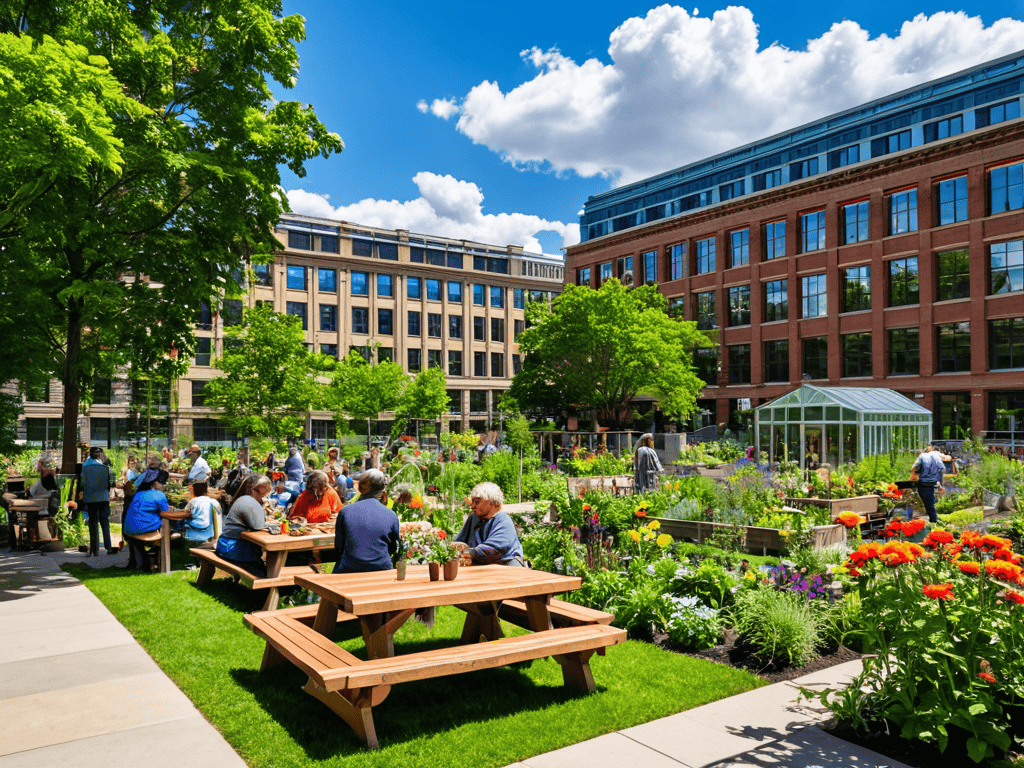
As I reflect on the third place concept, I’m reminded of the power of community-driven spaces in transforming our urban landscapes. From the humble cafe to the majestic library, these areas have become the heartbeat of social cohesion and community engagement. By embracing the principles of public sphere theory and urban planning for vibrant third spaces, we can create thriving ecosystems that foster connection, creativity, and a sense of belonging. My own experiences with urban gardening have shown me the impact that even small, green oases can have on community morale and cooperation.
As we look to the future, let’s hold onto the vision of a world where every neighborhood is a thriving urban oasis. A world where harmonious coexistence between urban life and nature is not just a dream, but a lived reality. I encourage you to join me in this journey, to explore the possibilities of the third place concept, and to nurture the green spaces that bring us joy and connection. Together, we can turn every balcony into a garden and every rooftop into a sanctuary, one plant pep talk at a time.
Frequently Asked Questions
How can I apply the Third Place Concept to create community spaces in densely populated urban areas?
For densely populated areas, I’d suggest transforming underutilized spaces like alleyways or rooftops into vibrant community hubs, just like I do with my urban garden – a little creativity can go a long way in fostering connections among residents.
What role do technology and social media play in enhancing or hindering the Third Place Concept in modern cities?
As I water my basil, I ponder how tech and social media impact third spaces – do they bridge gaps or create isolation? I think they can do both, but when used mindfully, they can amplify community voices and foster connections, turning online interactions into offline meetups, and that’s a beautiful thing!
Are there any successful examples of Third Place Concept implementation in urban planning that have led to significant improvements in community engagement and social cohesion?
I just love sharing success stories, and my basil plant, Benny, agrees – he’s always telling me to spread the word about amazing urban projects. Cities like Copenhagen and Melbourne have seen fantastic results from incorporating third place concepts into their planning, fostering stronger, more connected communities through vibrant public spaces.


MOST COMMENTED
Nature & Sustainability
Affordable Green Energy Solutions for Your Home
Health & Lifestyle
How to Gain Weight the Healthy Way with These 5 Tips
Home & Garden
Outdoor Rugs That Will Instantly Elevate Your Patio Decor
Home & Garden
Top 10 Flowers to Plant for a Colorful, Vibrant Garden
Health & Lifestyle
7 Effective Cardio Workouts You Can Do Anywhere
Health & Lifestyle
10 Guilt-Free Healthy Snacks You Can Enjoy Anytime
Home & Garden
How to Build with Recycled Materials for a Sustainable Home