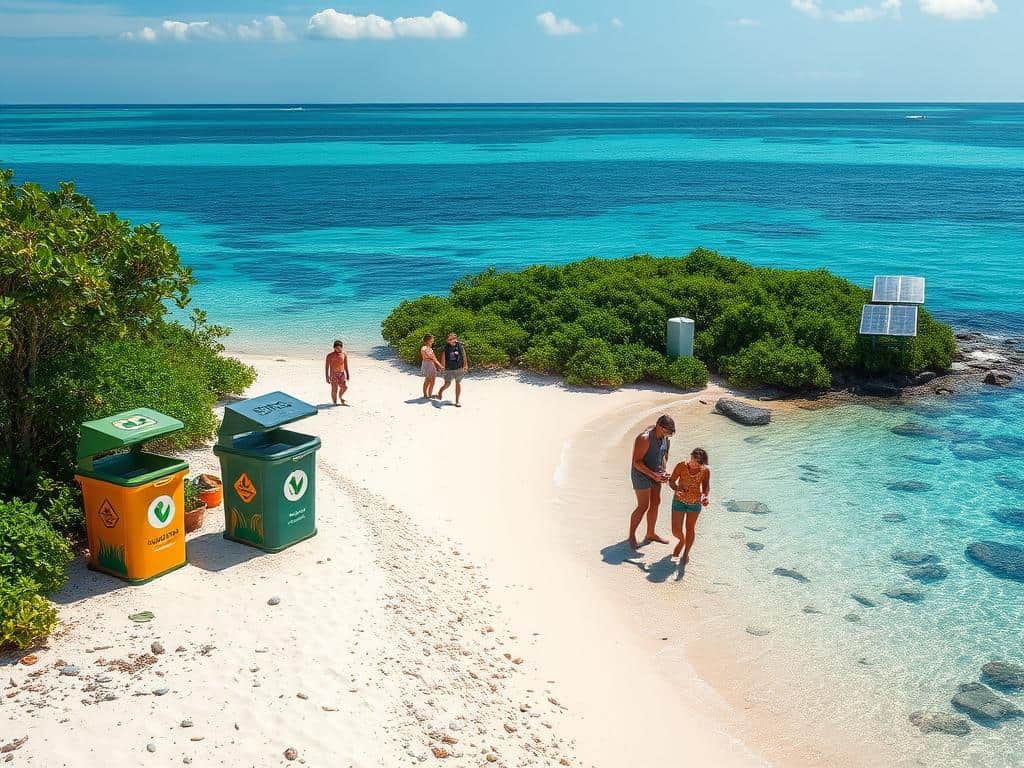
Did you know that 33 billion pounds of plastic pollution enter our oceans every year? This is from land-based sources. It shows how urgent it is to stop water pollution to save our oceans and the life they support. Water pollution harms marine life and human health, affecting our drinking water and food.
With plastic pollution expected to triple in the next 20 years, we must act fast. Imagine dumping two garbage trucks full of plastic into the ocean every minute. This is devastating for marine life, as many species face health risks and death from plastic ingestion. Also, ocean acidity is harming ecosystems vital for fish and humans.
In this article, I want to give you simple ways to fight this problem. Together, we can keep our water clean for future generations.
Key Takeaways
- 33 billion pounds of plastic pollution enter oceans from land each year.
- Plastic pollution poses a significant threat to marine life and ecosystems.
- Taking action now is critical to protect ocean health.
- Practical strategies can help individuals reduce water pollution.
- Education and awareness are key in the fight against water pollution.
Understanding Water Pollution and Its Impact
Water pollution harms our environment a lot. Many things cause it, like agricultural runoff and urban waste. Knowing these sources helps us see how they affect our water and oceans.
Major Sources of Water Pollution
Nonpoint source pollution is a big problem in U.S. waters. It comes from many places, making it hard to fix. Farms use fertilizers and pesticides that pollute nearby water.
About 80% of ocean pollution comes from land. Chemicals and heavy metals from factories and cities also pollute coastal waters. In the U.S., many rivers, streams, and lakes are too polluted for swimming or drinking.
Effects on Marine Life
Water pollution is very bad for marine life. It can cause toxic algal blooms and lower oxygen levels. This makes it hard for fish and other sea creatures to survive.
Many species are threatened by pollution. It disrupts their food chains and homes. Almost 40 percent of Americans drink water from underground, showing how important clean water is for us and the sea.
Practical Steps to Prevent Water Pollution
We can all make a difference by taking simple steps every day. By conserving water, choosing nontoxic products, and reducing plastic waste, we help keep our environment clean. These actions improve our health and the health of our planet.
Conserve Water
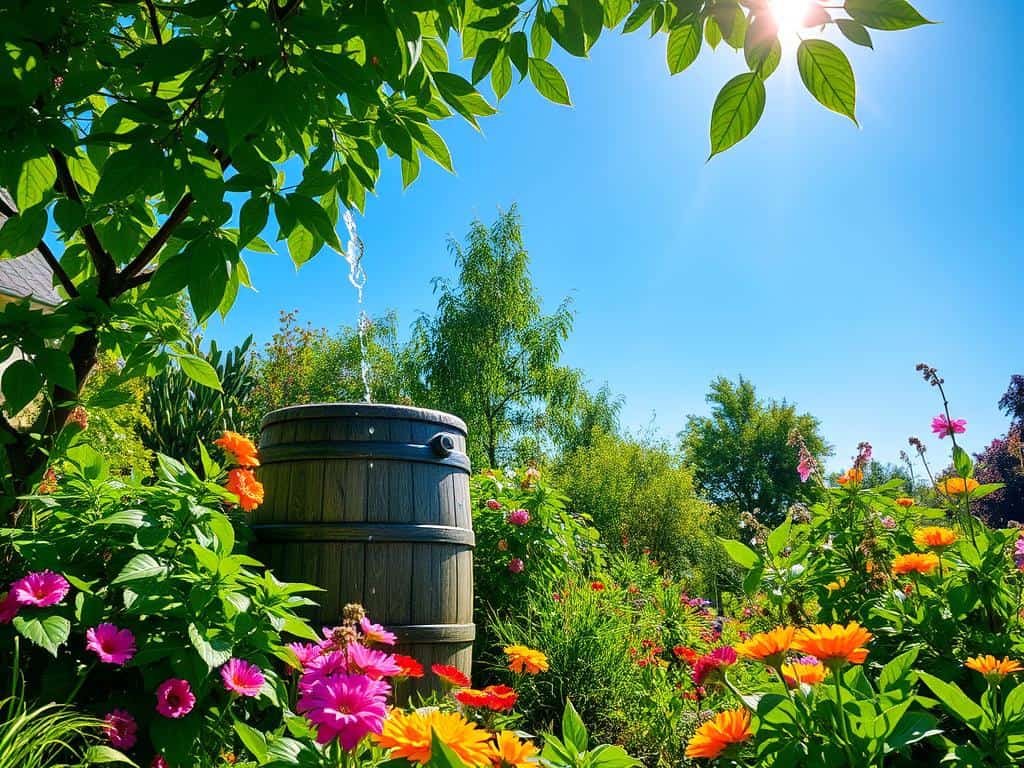
Conserving water is key to stopping water pollution. Shorter showers and using rain barrels can cut down on runoff. This runoff often carries pollutants to our oceans.
Modern toilets use less water than old ones. Choosing water-efficient toilets, as recommended by the EPA, saves water and protects our waterways.
Choose Nontoxic Products
Using nontoxic products is vital to reduce harmful runoff. Household cleaners without harsh chemicals keep our water clean. Properly disposing of pesticides also helps.
Water filtration systems can lower microplastic levels in our drinking water. This makes our water healthier and helps reduce pollution.
Reduce Plastic Waste
Plastic pollution is a big problem, with millions of tons entering our oceans yearly. I try to use reusable bags and water bottles to cut down on plastic waste.
Joining local clean-up efforts is another way to help. Every small action, like avoiding single-use plastics, helps our ecosystem stay healthy.
Role of Communities in Pollution Control
Communities are key in fighting water pollution. They work together and use smart strategies. This makes people feel they own the problem and can solve it.
Support Local Clean-Up Initiatives
Helping out in local clean-ups does more than just clean up. It also brings people together. It teaches us about pollution’s harm and how we can avoid it.
By joining hands, we make our waterways cleaner. This shows that community efforts can really make a difference.
Educate Others on Water Conservation
Teaching others about saving water is important. It helps build a green community. By learning how to use less water, we all help keep our water clean.
Workshops and school programs are great for spreading this knowledge. They help us all work together to save our water.
Advocate for Stronger Regulations
It’s important to push for better rules to keep our water clean. Talking to local leaders can help make these rules stronger. This way, we can stop pollution from harming our water.
By speaking up, we can make sure our water is protected. This is how we ensure our water stays safe for future generations.
Conclusion
In this article, we’ve looked at how to tackle water pollution and protect our oceans. We’ve seen how industrial waste, agricultural runoff, and sewage harm our waters. With most water samples not safe for marine life, fighting pollution is key for both our oceans and health.
Our actions on land affect our oceans. Making eco-friendly choices and joining local clean-ups helps. When we work together, we can push for better laws and make real changes.
I believe we can make a big difference by taking action and spreading the word. By improving water quality and protecting marine life, we can ensure a healthy future for our oceans. Together, we can create a cleaner world for all living in our oceans.



MOST COMMENTED
Home & Garden
Outdoor Rugs That Will Instantly Elevate Your Patio Decor
Home & Garden
Top 10 Flowers to Plant for a Colorful, Vibrant Garden
Health & Lifestyle
7 Effective Cardio Workouts You Can Do Anywhere
Health & Lifestyle
10 Guilt-Free Healthy Snacks You Can Enjoy Anytime
Home & Garden
How to Build with Recycled Materials for a Sustainable Home
Health & Lifestyle
Beyond the Concrete: How to Reclaim Your Soul Through the Life-changing Benefits of Walking in Nature Daily
General
From Blue Light to Green Light: Is the Way How People Spend Their Evenings Now Costing Us Our Connection to Nature?