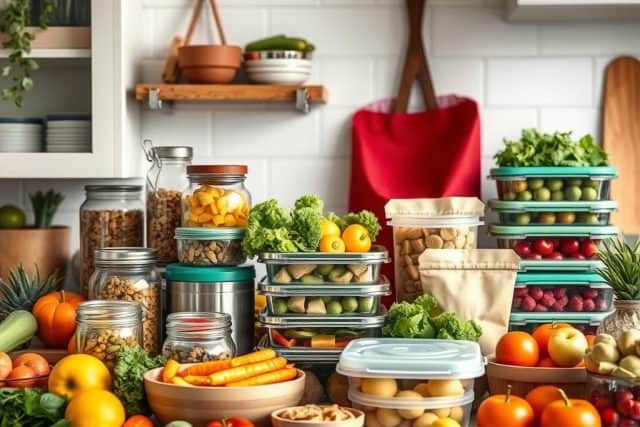
Did you know that about 30% of all plastic is used once? This fact shows how much plastic pollution affects our world. In 2015, 14.7 million tons of plastic containers were made. It’s clear we need to switch to eco-friendly options fast.
Switching to sustainable food containers helps the planet and makes our kitchens better. We can find reusable and plastic-free items. This makes our kitchens more organized and green.
Single-use plastic containers are often thrown away, making recycling hard. Only 12% of plastic is recycled well. Choosing durable options like glass, stainless steel, and eco-friendly wraps helps our planet and wildlife. Let’s look at some top picks for sustainable food containers to replace harmful plastics.
Key Takeaways
- 30% of all plastics consumed are single-use, contributing significantly to pollution.
- Only about 12% of plastic is recycled adequately.
- Using sustainable food containers helps protect the environment and wildlife.
- Durable, reusable options significantly reduce individual environmental footprints.
- Transitioning to eco-friendly containers encourages responsible consumption.
Why Single-Use Plastics Are Harmful
Single-use plastics harm our planet and our health. They may be convenient, but the cost is too high. We need to find better ways to live without these plastics.
The Environmental Impact of Single-Use Plastics
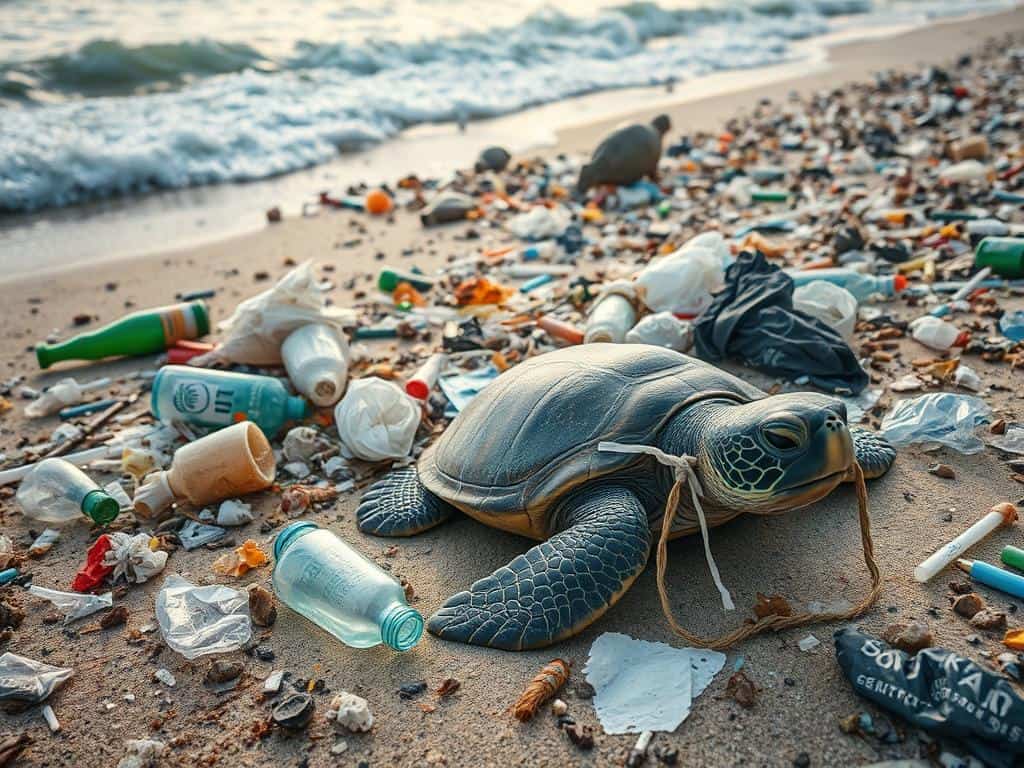
Single-use plastics have a big impact on our environment. In 2019, the world made over 460 million metric tons of plastic. This is double what we made in 2000.
Most of this plastic is not recycled. Only about 19 percent is burned. The rest ends up in landfills or nature, causing pollution. Plastic bags and straws take hundreds of years to break down.
Microplastics, smaller than 5 millimeters, are everywhere. They even get into our bodies. Shockingly, 90 percent of common foods contain microplastics, mostly in processed foods.
The Health Risks of Plastic Containers
Single-use plastics also harm our health. Chemicals in these plastics can get into our food and drinks. This can be dangerous.
For example, chemicals like phthalate DEHP can cause hormonal problems and increase cancer risk. Knowing this, I choose safer, eco-friendly options for storing food. This is better for us and the planet.
Sustainable Food Containers for an Eco-Friendly Kitchen
Creating an eco-friendly kitchen means choosing wisely for food storage. The right containers can cut down on single-use plastics. There are many options for storing food safely and sustainably.
Glass Containers: A Safe and Stylish Choice
Glass containers are a great choice over plastic. They’re safe and don’t leach chemicals into food. They’re easy to clean and can be used forever, making them a smart choice for a green kitchen.
Brands like Caraway and Glasslock make high-quality, microwave and dishwasher safe glass containers. They look good and help us live sustainably.
Stainless Steel Options for Durability
Stainless steel containers are durable and safe for food. They can handle different temperatures, perfect for meal prep. Brands like ECOlunchbox and U Konserve make containers without harmful chemicals.
Switching to stainless steel is good for the planet and lasts a long time. It’s a reliable choice for storing food.
Eco-Friendly Wraps and Bags
Using eco-friendly wraps instead of plastic is a smart move. Beeswax wraps from Bee’s Wrap and SuperBee are great. They help reduce waste and keep food fresh.
Stasher’s silicone bags are another good option. They’re safe and don’t have harmful additives. Using these wraps helps keep my kitchen sustainable.
The Benefits of Tiffin Carriers
Tiffin carriers are a unique, eco-friendly way to store food. They come from Asian cultures and are made from stainless steel or aluminum. They’re versatile and convenient for eating on the go.
I like using tiffin carriers because they keep food fresh. They also help reduce waste and are good for the environment.
Conclusion
Switching to sustainable food containers is key to lessening my environmental footprint and keeping food fresh. I choose eco-friendly options like glass, stainless steel, and tiffin carriers. This helps cut down on plastic use and its harm to our planet.
Statistics show that almost 40% of plastics are for food and drink packaging. It’s clear we need to change how we consume. Single-use plastics are bad for our environment and health. They also increase greenhouse gas emissions.
By picking sustainable choices, I help the planet and support new packaging ideas. These ideas aim to reduce food waste. I’m on a mission to make my kitchen greener and inspire others to do the same.
Together, we can make a big difference for a healthier planet. Our choices today shape the future. Let’s work together to free the next generations from plastic waste.



MOST COMMENTED
Nature & Sustainability
Affordable Green Energy Solutions for Your Home
Health & Lifestyle
How to Gain Weight the Healthy Way with These 5 Tips
Home & Garden
Outdoor Rugs That Will Instantly Elevate Your Patio Decor
Home & Garden
Top 10 Flowers to Plant for a Colorful, Vibrant Garden
Health & Lifestyle
7 Effective Cardio Workouts You Can Do Anywhere
Health & Lifestyle
10 Guilt-Free Healthy Snacks You Can Enjoy Anytime
Home & Garden
How to Build with Recycled Materials for a Sustainable Home