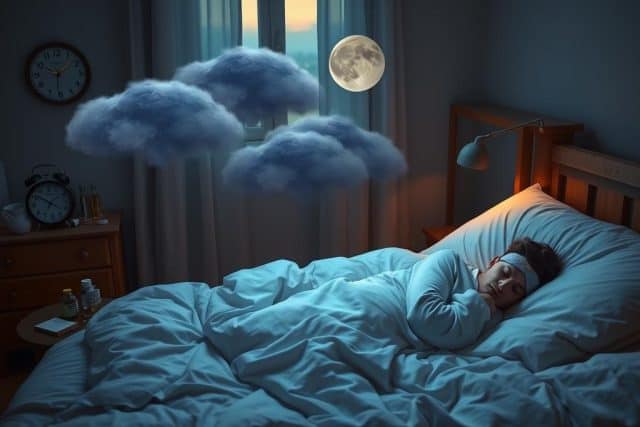
Did you know that about 38 million Americans have sleep apnea? This is a condition where the airway closes many times each hour. It causes breathing to stop for up to 10 seconds or more.
This shows how common sleep disorders are in the U.S. More than a third of adults don’t get enough sleep. Sleep disorders range from insomnia to narcolepsy. It’s important to know about these conditions for good sleep and mental health.
Ignoring these signs can cause serious problems. These include high blood pressure and a higher risk of heart attack or stroke. In this article, we’ll look at different sleep disorders. We’ll also talk about which ones need serious attention and treatment.
Key Takeaways
- Approximately 38 million Americans are affected by sleep apnea.
- The airway closure in sleep apnea can cause serious health issues.
- Ignoring sleep disorders can lead to weight gain and elevated blood pressure.
- Common sleep disorders include insomnia and hypersomnia, among others.
- Excessive daytime sleepiness may indicate a serious underlying problem.
- Recognizing symptoms early is essential for improving sleep quality.
Understanding Common Sleep Disorders
Sleep disorders affect millions, making it hard to get good sleep. There are over 80 types, but some are more common. Knowing about these can help manage and treat them better.
What is Sleep Apnea?
Sleep apnea means breathing stops many times while sleeping. Obstructive sleep apnea (OSAS) is common, causing loud snoring and breathing pauses. These breaks can make you very tired during the day and harm your health if not treated.
Using CPAP machines is a common treatment. They keep the airway open, improving sleep and mental health.
Recognizing Insomnia
Insomnia is the most common sleep disorder, affecting 6 to 10 percent of adults. It makes it hard to fall or stay asleep, or wake up too early. It can make health problems like anxiety and weight gain worse.
Knowing what causes insomnia, like caffeine or irregular schedules, helps find treatments. Cognitive behavioral therapy and changing your lifestyle can help you sleep better.
Other Sleep Disorders to Be Aware Of
There are many sleep disorders beyond insomnia and sleep apnea. Hypersomnia makes you very sleepy during the day. Narcolepsy causes sudden sleep attacks at bad times.
Sleep-related movement disorders, like restless legs syndrome, make you want to move while trying to sleep. Circadian rhythm disorders affect your natural sleep cycle. Knowing about these can help find the right treatment and improve sleep.
Sleep Disorders You Shouldn’t Ignore
Being aware of sleep disorder signs can help you get help early. Signs like feeling very tired during the day and being drowsy during activities are important. Also, weight gain and high blood pressure can be signs of sleep problems.
Not getting enough sleep can hurt your mental health. This creates a cycle that makes things worse.
Signs That Indicate a Potencial Sleep Disorder
Spotting sleep disorder signs early is key. About 10 to 15 percent of Americans have insomnia. This can increase the risk of serious health issues like type 2 diabetes, even more for heart patients.
Not sleeping well can mess with hunger hormones, leading to weight gain. People with insomnia often feel more anxious and depressed. This makes their mental health even harder to manage.
Consequences of Ignoring Sleep Disorders
Ignoring sleep problems can lead to serious health risks. Sleep disorders like sleep apnea can cause heart disease, high blood pressure, and obesity. These issues affect not just your body but also your mind.
Recognizing and treating sleep disorders can improve your sleep and brain function. It also helps with memory and daily tasks.
Conclusion
Understanding and addressing sleep disorders is key for better health and happiness. Many adults in the US don’t get enough sleep. Conditions like insomnia and sleep apnea affect millions.
Effective treatment is not just about better sleep. It also helps mental health and lowers the risk of chronic illnesses.
Insufficient sleep has serious effects, mainly on vulnerable groups. For example, teens face mental health issues due to lack of sleep. During hard times, like the COVID-19 pandemic, sleep problems worsen academic and emotional struggles.
Sleep disorders affect different people in different ways. This shows we need treatments that fit each person’s needs.
It’s important to listen to our bodies and seek help when needed. By doing so, we can improve our sleep and protect our health. Treating sleep disorders is a step towards a better life for many.
Let’s use these insights to make choices that help us sleep better and stay mentally strong.


MOST COMMENTED
Nature & Sustainability
Affordable Green Energy Solutions for Your Home
Health & Lifestyle
How to Gain Weight the Healthy Way with These 5 Tips
Home & Garden
Outdoor Rugs That Will Instantly Elevate Your Patio Decor
Home & Garden
Top 10 Flowers to Plant for a Colorful, Vibrant Garden
Health & Lifestyle
7 Effective Cardio Workouts You Can Do Anywhere
Health & Lifestyle
10 Guilt-Free Healthy Snacks You Can Enjoy Anytime
Home & Garden
How to Build with Recycled Materials for a Sustainable Home