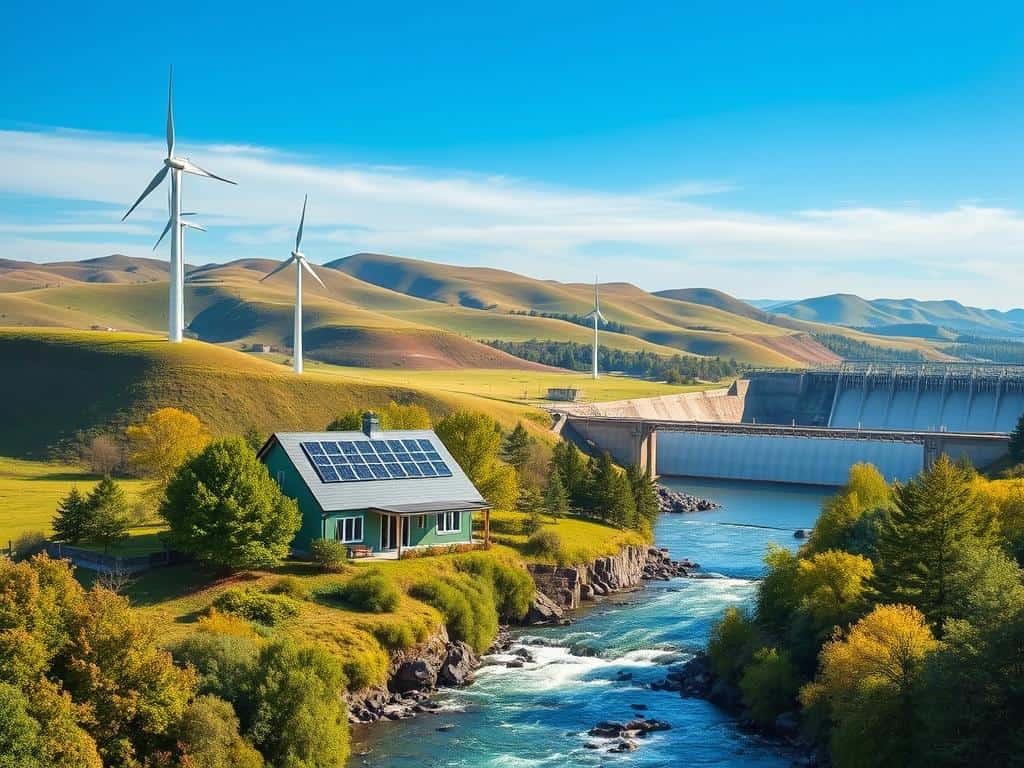
Did you know that renewable energy sources can produce little to no greenhouse gas emissions during electricity generation? As we face the urgent issue of climate change, the need for sustainable energy is more important than ever. The International Renewable Energy Agency (IRENA) says renewable resources could power 90% of the world’s electricity by 2050. This shows the huge role clean energy plays in our quest for a sustainable future.
Switching to renewable energy tackles climate challenges and brings economic gains. By choosing clean energy like solar, wind, and geothermal, we boost our energy security. We also cut down on imported fuels and support our country’s self-sufficiency. In this article, we’ll dive into the significance of renewable resources, the different types, and their benefits for our planet and economy.
Key Takeaways
- Renewable energy sources generate minimal greenhouse gas emissions.
- Investing in clean energy boosts economic growth and job creation.
- Diversifying energy sources enhances energy security and reliability.
- Renewable projects can coexist with agricultural and conservation efforts.
- Long-term cost advantages of renewable resources reduce environmental impacts.
The Importance of Renewable Resources for a Sustainable Future
Renewable resources play a huge role in creating a sustainable future. As the world’s energy needs grow, moving away from fossil fuels is key. These fuels cause over 75% of greenhouse gas emissions. Clean energy options help reduce these emissions and offer big economic benefits.
With more money going into renewable energy, the benefits of clean energy are becoming clearer.
Reducing Greenhouse Gas Emissions
Switching to renewable resources is vital for fighting climate change. Fossil fuels like coal, oil, and gas are responsible for nearly 90% of carbon dioxide emissions. On the other hand, renewable energy makes up about 29% of global electricity production.
This number is growing, with hopes that renewable energy could power 65% of the world’s electricity by 2030. By making the power sector cleaner, we can lessen greenhouse gas emissions. This helps fight climate change and makes our environment cleaner.
Economic Benefits of Clean Energy
Clean energy investments offer huge economic growth. Studies show that every dollar in renewable energy creates three times more jobs than fossil fuels. By 2030, the clean energy sector could create about 14 million new jobs.
This shift not only creates jobs but also saves a lot of money. It’s estimated that $4.2 trillion could be saved each year by reducing pollution and climate-related damages. Investing in renewable energy is a smart move for the economy and the planet.
Types of Renewable Resources and Their Benefits
Renewable resources are key to a sustainable energy future. They include solar, wind, and geothermal energy. Each has its own benefits.
Solar Energy
Solar energy uses sunlight to power homes and businesses. Costs have dropped by up to 85% in the last decade. By 2025, solar energy in the U.S. is expected to grow by 75%.
Wind Energy
Wind energy is a growing clean energy source. It includes onshore and offshore systems. Costs are falling, making it more accessible. By 2025, wind energy is expected to increase by 11%.
Geothermal Energy
Geothermal energy uses the Earth’s heat. It’s reliable and clean. Advances in technology make it even more valuable for sustainable power.
Conclusion
My journey into renewable resources has shown their key role in a sustainable future. Moving from fossil fuels to clean energy cuts down on harmful emissions. It also boosts the economy and improves health.
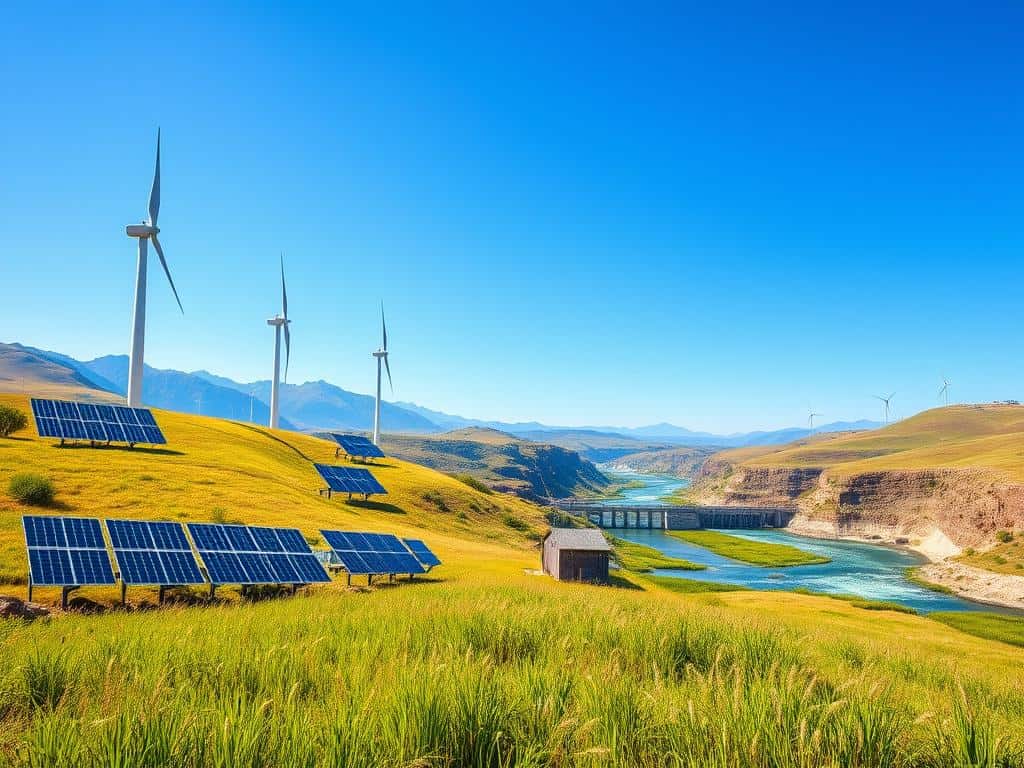
In 2023, wind turbines generated about 10.2% of U.S. electricity. This highlights the good that renewable resources can do. As we move towards a cleaner energy world, supporting green tech is vital for a healthier planet.
Renewable resources do more than help the environment. They also create jobs and boost local economies. This makes them great for communities everywhere.
Hydropower, geothermal, and biomass show we can meet our climate goals with different energy types. Together, we can improve our energy mix and tackle fossil fuel issues like scarcity and pollution.
Dealing with political hurdles and supporting sustainable energy is key to a better future. Let’s focus on clean energy policies. This way, we can use renewable resources fully and ensure a green future for everyone. Every step we take helps fight climate change.



MOST COMMENTED
Nature & Sustainability
Affordable Green Energy Solutions for Your Home
Health & Lifestyle
How to Gain Weight the Healthy Way with These 5 Tips
Home & Garden
Outdoor Rugs That Will Instantly Elevate Your Patio Decor
Home & Garden
Top 10 Flowers to Plant for a Colorful, Vibrant Garden
Health & Lifestyle
7 Effective Cardio Workouts You Can Do Anywhere
Health & Lifestyle
10 Guilt-Free Healthy Snacks You Can Enjoy Anytime
Home & Garden
How to Build with Recycled Materials for a Sustainable Home