
Did you know that about 66% of ocean ecosystems are damaged or changed? This shows how urgent it is to fix our planet’s ecosystems. Over 300 years, humans have hurt nature a lot. Now, the United Nations has made 2021 to 2030 the “Decade on Ecosystem Restoration.”
This means we’re all working together to fix our planet. We’re doing things like planting more plants and bringing back certain species. These actions help make our ecosystems work right again. They give us important things we need and make sure the Earth is healthy for our kids and grandkids.
Key Takeaways
- The United Nations has declared 2021-2030 as the “Decade on Ecosystem Restoration.”
- Restoration practices include revegetation, species composition restoration, and multifunctional landscapes.
- Habitat restoration is increasingly recognized as a social-ecological endeavor.
- Climate change poses significant challenges to ecosystems in restoration areas.
- President Biden’s Bipartisan Infrastructure Law allocates substantial funding for ecosystem restoration efforts.
The Importance of Habitat Restoration for Ecosystem Recovery
Climate change and biodiversity loss are big problems. We need to fix damaged ecosystems fast. By doing so, we help both wildlife and people.
Restoring habitats makes them better at fighting off climate changes. This is key to creating places where many species can live well.
Addressing Climate Change and Biodiversity Loss
Climate change is hurting our ecosystems. It changes weather and makes extreme events more common. This hurts biodiversity as habitats become less good for species.
In places like the Great Plains, farming and grazing have made things worse. In the Rocky Mountains, less water in streams harms fish and other aquatic life. Habitat restoration can help fight these problems.
Promoting Sustainable Environments
Restoring habitats helps keep ecosystems balanced. In the Greater Everglades, people are working together to fix wetlands. This helps wildlife and keeps water clean.
Marine ecosystems are also important. They help keep fish populations healthy, which is good for local businesses. Supporting habitat restoration is key to a sustainable future.
Strategies for Effective Habitat Restoration
Effective habitat restoration needs a complete plan that uses social-ecological principles. These principles show how important it is for nature and people to work together. Knowing our ecosystems well helps everyone get involved and work together.
By using these ideas, I think we can make restoration work better, even when things change a lot. This includes dealing with big issues like climate change and using too many resources.
Utilizing Social-Ecological Principles
Using social-ecological principles at restoration sites is key. It’s important to get local communities involved in the work. This way, they feel like they own the project and bring in their own knowledge.
Knowing about the local people’s lives helps us find the best ways to restore habitats. It makes the restoration efforts more effective.
Rewilding and Enhancing Biodiversity
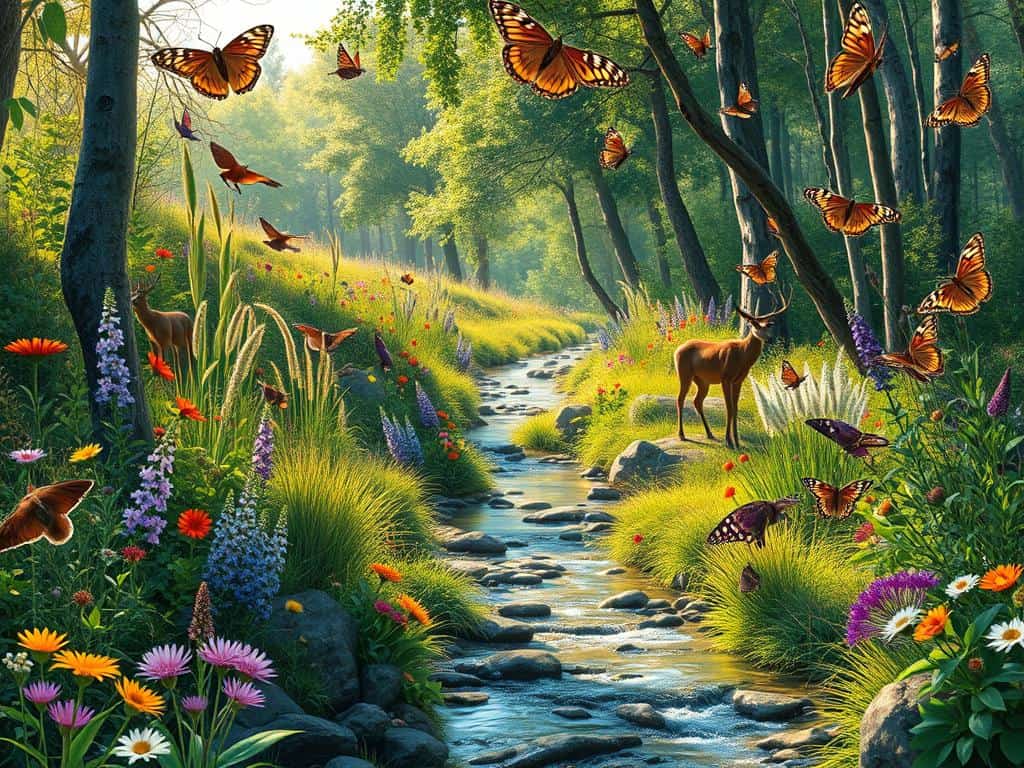
Rewilding is a great way to boost biodiversity. It lets nature take over and fix itself. I’ve seen how areas that were once damaged can come back to life.
Putting back key species is a big part of this. These species help keep the ecosystem balanced. Plus, rewilding helps keep the genetic mix in ecosystems healthy, making them stronger against environmental changes.
Conclusion
Habitat restoration is urgent due to climate change and biodiversity loss. It requires teamwork from governments, organizations, and communities. My work shows how important planning is for fixing ecosystems.
By planning carefully, we can meet our ecological, social, and financial goals. This ensures our efforts are effective. It’s key to success in restoring habitats.
Every restoration project is unique, needing a strategy that fits its site and species. Goals must consider ecology, history, and philosophy. This way, we create solutions that truly restore habitats.
By focusing on wetlands and reefs, we help many plants and animals. We also support communities that rely on these ecosystems. This is how we build a sustainable future.
The next decade is a chance to really commit to restoring habitats. We must act now to fix our planet’s ecosystems. Setting clear goals and working together is how we achieve a healthier environment.



MOST COMMENTED
Nature & Sustainability
Affordable Green Energy Solutions for Your Home
Health & Lifestyle
How to Gain Weight the Healthy Way with These 5 Tips
Home & Garden
Outdoor Rugs That Will Instantly Elevate Your Patio Decor
Home & Garden
Top 10 Flowers to Plant for a Colorful, Vibrant Garden
Health & Lifestyle
7 Effective Cardio Workouts You Can Do Anywhere
Health & Lifestyle
10 Guilt-Free Healthy Snacks You Can Enjoy Anytime
Home & Garden
How to Build with Recycled Materials for a Sustainable Home