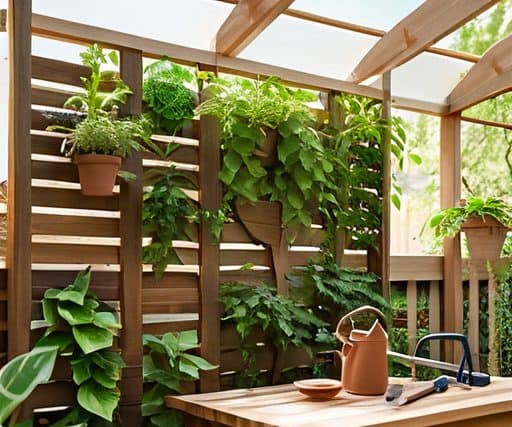
Most of us assume that a Trellis privacy screen DIY demands a carpenter’s workshop, a mountain of pricey lumber, and a Ph.D. in structural engineering. The counter‑intuitive truth is that you can create a lush, eye‑blocking screen with nothing more than a few sturdy garden stakes, a roll of weather‑proof twine, and the eager vines of the very herbs you’re already growing on your balcony. I discovered this on a breezy Tuesday when my basil told me the balcony wall was feeling a little exposed, so I grabbed a couple of reclaimed bamboo poles, a coil of sisal, and within an hour I had a living screen that whispered, “We’ve got you, dear rosemary.”
In the next sections I’ll walk you through every key step—choosing the right stakes, tying a wind‑resistant knot, picking fast‑growing, shade‑loving climbers, and finishing the frame with a splash of reclaimed paint that won’t hurt your soil. You’ll get a printable checklist, a quick‑calc budget, and my favorite plant‑coach pep‑talk to keep your vines motivated while you sip espresso. By the end, you’ll have a budget‑friendly, Instagram‑ready privacy oasis that even neighboring pigeons will admire.
Table of Contents
- Step-by-Step Instructions
- Diy Cedar Trellis Plans From Sketch to Backyard Privacy
- Budgetfriendly Weatherresistant Screen Attach Vines Maintain Wooden Beauty
- 5 Green‑Thumbed Secrets for a Flawless DIY Trellis Screen
- Quick Wins for Your DIY Trellis Privacy Screen
- Living Privacy, One Vine at a Time
- Wrapping It All Up
- Frequently Asked Questions
Guide Overview
Tools & Supplies
- Power drill with drill bits – for pre‑drilling and driving screws
- Circular saw or handsaw – to cut lumber to length
- Measuring tape – for accurate dimensions
- Level – to ensure the trellis is straight
- Safety glasses – protect eyes while cutting/drilling
- Pressure‑treated 2×4 lumber – 4 pieces, 8 ft each (frame)
- Outdoor lattice panels – 2 panels, 4 ft × 8 ft each
- Exterior‑grade wood screws – 2 lb box (1‑¼″ and 2‑in. lengths)
- Galvanized brackets or angle braces – 8 pieces (for frame reinforcement)
- Exterior paint or stain – 1 quart (plus brush/roller)
Step-by-Step Instructions
- 1. Gather your materials – Grab two sturdy wooden posts (about 4 ft tall), a length of 1‑inch galvanized pipe or reclaimed cedar for the horizontal rails, a handful of strong garden twine or stainless‑steel wire, a drill with a ½‑inch spade bit, and a bag of rust‑proof screws. Don’t forget a pair of safety goggles; even my basil likes to keep an eye on the action!
- 2. Mark your balcony edge – Measure a 6‑foot span where you’d like the screen to sit, then use a pencil to sketch two vertical lines 4 ft apart. This will be the “privacy lane” where your climbing vines will strut their stuff. Check that the line is level; a wobbly screen is just a fancy trellis for the pigeons.
- 3. Drill pilot holes – Secure the wooden posts to the balcony floor (or to a sturdy railing) with the screws, but first drill ½‑inch holes at the top and bottom of each post. This creates a clean entry point for the pipe rails, preventing the wood from splitting when you tighten the screws later. Remember: a snug fit is the secret to a screen that stands tall against the wind.
- 4. Assemble the horizontal rails – Slip the galvanized pipe (or cedar slats) through the holes you just made, forming a rectangular frame. Fasten each end with rust‑proof screws, making sure the rails are perfectly parallel. If you’re feeling extra eco‑savvy, reuse an old garden hose as a decorative “top beam” – it adds a splash of personality and a gentle reminder that repurposing is always in style.
- 5. Attach the twine lattice – Starting at the bottom rail, tie a strong garden twine to the first post, then stretch it across to the opposite post and knot it securely. Continue this process every 6 inches up the frame, creating a grid that will guide your vines as they climb. For a touch of whimsy, weave in a few recycled bottle caps as “anchor beads” where the twine meets the posts.
- 6. Plant your climbers – Choose fast‑growing, shade‑tolerant vines like sweet peas, jasmine, or dwarf morning glory. Plant them in containers that fit your balcony, water them well, and gently train the new shoots through the twine grid. As the vines grip the lattice, they’ll transform your once‑bare balcony into a living privacy oasis that sways with the city breeze.
Diy Cedar Trellis Plans From Sketch to Backyard Privacy
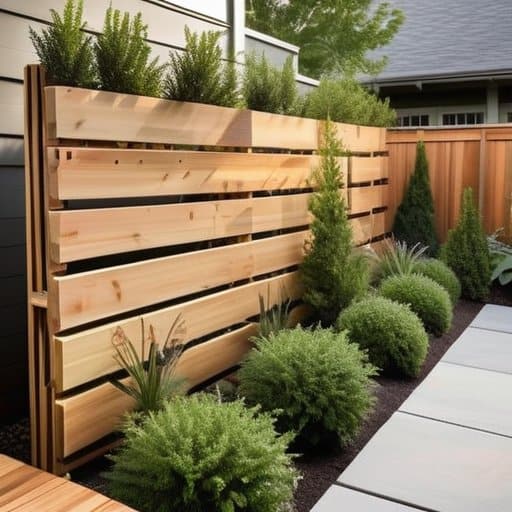
When I first sketched my DIY cedar trellis plans, I treated the drawing board like a brainstorming garden—grid lines became vine pathways and each joint a future knot‑hole for a rope. Cedar’s natural oils make it weather‑resistant, so you can keep the budget low without sacrificing durability. I like to cut the 2×4s a couple of inches longer than the final dimensions; that extra length becomes a built‑in “wiggle room” for mounting brackets, which simplifies installing trellis for backyard privacy on uneven concrete. If you’re hunting for budget‑friendly garden screens, think of reclaimed pallet wood as a cost‑saving filler for the back panel, then finish everything with a matte, low‑VOC sealant to keep the whole structure looking fresh through rain or shine.
When I was hunting for a piece of reclaimed cedar that’s truly eco‑friendly and budget‑friendly, I stumbled upon a little Glasgow shop that not only stocks responsibly sourced timber but also offers a quick online guide to prepping wood for outdoor life—just swing by their site at glasgow sex and you’ll find the perfect board waiting, saving you extra time for the real fun: coaching your new trellis to become a leafy privacy haven.
Now comes the fun part—how to attach climbing vines to a screen without turning your garden into a tangled jungle gym. I start by threading a soft, ¼‑inch garden twine through the pre‑drilled eyelets, then gently loop the vine’s tendrils around each knot, leaving enough slack for growth. For long‑term success, schedule a quick maintenance tip for wooden trellises each season: sand any rough edges, check the twine for wear, and give the cedar a light coat of natural oil to reinforce its water‑repellent qualities. This routine keeps the structure sturdy and your vines thriving, turning a simple backyard fence into a living privacy oasis.
Budgetfriendly Weatherresistant Screen Attach Vines Maintain Wooden Beauty
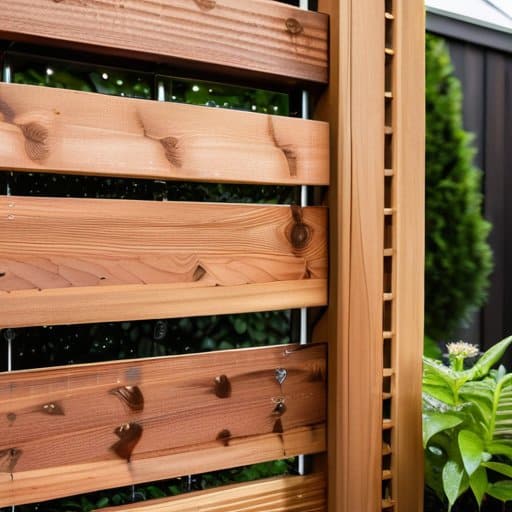
First, keep your wallet happy while still getting a screen that laughs at rain and wind. When you follow DIY cedar trellis plans, you’re already choosing a naturally rot‑resistant wood that can stand up to a drizzle without turning soggy. Pair the cedar with a water‑based sealant and a dash of marine‑grade screws, and you’ve got yourself a budget‑friendly garden screen that stays solid through summer storms and winter snow. If you’re short on cash, repurpose reclaimed lumber—just be sure to sand any rough edges before the sealant goes on.
Next, let the vines do the heavy lifting. The secret to how to attach climbing vines to a screen is simple: give each stem a little breathing room and secure it with soft garden twine or reusable zip ties at two‑inch intervals. This prevents bruising the wood and lets the plant grow in an airy lattice. Once your green curtain is thriving, remember the maintenance tips for wooden trellises: a gentle scrub with a soft brush, a yearly coat of protective oil, and a quick check for loose screws will keep your wooden beauty fresh for seasons to come.
5 Green‑Thumbed Secrets for a Flawless DIY Trellis Screen
- Pick a rot‑resistant material—cedar, reclaimed pallet wood, or UV‑stable recycled PVC—to keep your screen standing strong through rain and shine.
- Pre‑drill all holes and fasten with stainless‑steel deck screws; this prevents wood splitting and ensures a rust‑free, sturdy frame.
- Design the trellis in modular panels (2‑ft sections work great) so you can easily disassemble, transport, or re‑configure the screen as your balcony evolves.
- Choose fast‑climbing, shade‑loving vines such as clematis, scarlet runner beans, or hardy kiwi; they’ll weave a living curtain that blooms, screens, and feeds local pollinators.
- Add a detachable, weather‑proof liner (think clear acrylic or breathable garden fabric) to protect the wood in winter while still letting sunlight filter through in summer.
Quick Wins for Your DIY Trellis Privacy Screen
Keep it simple—measure twice, cut once, and let your balcony’s unique dimensions guide your trellis size.
Choose weather‑ready wood (like cedar) and treat it early to let the natural oils protect against rain, sun, and city grime.
Let the vines do the heavy lifting—train them to climb and prune regularly, turning your screen into a living, ever‑changing privacy wall.
Living Privacy, One Vine at a Time
“A DIY trellis isn’t just a screen; it’s a green curtain that lets the city fade away while nature steps onto your balcony stage.”
Nathan Murray
Wrapping It All Up
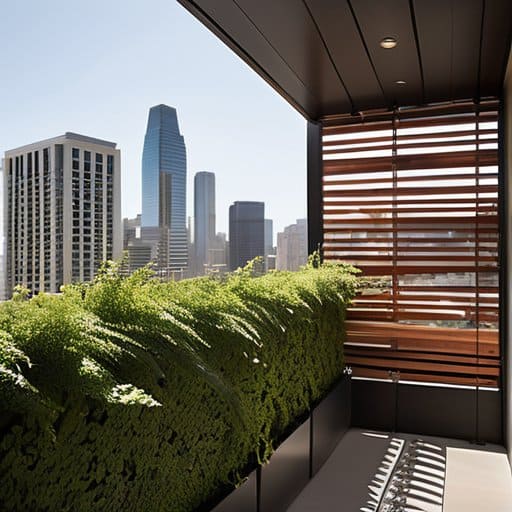
We’ve taken a stroll from the first spark of inspiration—imagining a leafy curtain shielding our balcony—to the finished DIY trellis that now stands proud against the city skyline. I walked you through measuring the space, picking rot‑resistant cedar, cutting clean joints, and using a few sturdy brackets to anchor the frame safely. We covered the art of pre‑drilling, applying a protective sealant, and then letting nature do the rest by training vines to climb and fill the gaps. Finally, I showed you how a quick seasonal trim keeps the wooden beauty looking fresh while the plants keep the privacy, creating a low‑maintenance, weather‑proof screen that’s as functional as it is beautiful.
Now, picture your own balcony humming with the gentle rustle of leaves, a private green stage where you can sip coffee, practice yoga, or simply breathe in fresh air—your very own urban oasis. I’ve learned that every balcony, no matter how narrow, holds the potential to become a living, breathing sanctuary when we give it a sturdy frame and a little love. So grab your toolbox, chat with your favorite pothos for design tips, and let that trellis become the centerpiece of your city‑side garden. Together, we’re turning concrete walls into thriving, private retreats—one vine at a time.
Frequently Asked Questions
What’s the most affordable yet sturdy material I can use for a balcony trellis that will hold up to wind and rain?
Hey balcony gardeners! If you want a wallet‑friendly yet weather‑tough trellis, I swear by pressure‑treated pine or cedar‑grade lumber—both stay strong in wind and rain without breaking the bank. For a light option, powder‑coated steel pipe brackets paired with ½‑inch PVC conduit give you a sleek, rust‑proof frame that’s easy to bolt to a railing. Just seal any wood joints with exterior‑grade sealant, and you’ve got a sturdy, breezy screen that lets vines climb happily.
How do I securely attach a trellis to a concrete railing without drilling into the wall?
Hey balcony buddy! If you want a trellis on a concrete railing without drilling, I swear by a two‑step trick. First, slide a sturdy C‑clamp or rail‑bracket (think metal “U” brackets) over the railing and tighten the screw clamps—no wall contact needed. Then, run a bead of construction‑grade silicone or 3M VHB tape along the back of the trellis and press it onto the bracket. Add zip‑tie straps for extra hold, and you’ve got a rock‑solid, drill‑free screen!
Which fast‑growing, low‑maintenance vines are best for creating a green privacy screen on a small urban balcony?
Hey balcony botanist! For a fast‑growing, low‑maintenance screen, I swear by Boston ivy (it clings like a green hug), star jasmine (fragrant and shade‑tolerant), and sweet pea (a seasonal flash of color). If you have a sunny spot, give trumpet vine a go—it’ll scramble up a 10‑ft trellis in a season. For a compact, evergreen option, try climbing hydrangea. All thrive in pots, need a weekly sip, and love a pep‑talk from a caring gardener!



MOST COMMENTED
Nature & Sustainability
Affordable Green Energy Solutions for Your Home
Health & Lifestyle
How to Gain Weight the Healthy Way with These 5 Tips
Home & Garden
Outdoor Rugs That Will Instantly Elevate Your Patio Decor
Home & Garden
Top 10 Flowers to Plant for a Colorful, Vibrant Garden
Health & Lifestyle
7 Effective Cardio Workouts You Can Do Anywhere
Health & Lifestyle
10 Guilt-Free Healthy Snacks You Can Enjoy Anytime
Home & Garden
How to Build with Recycled Materials for a Sustainable Home