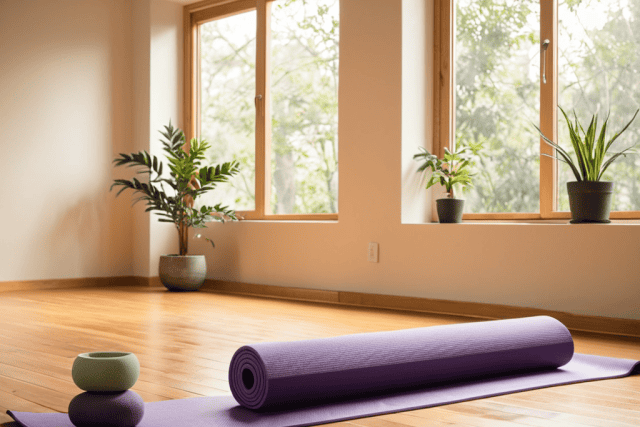
I still remember the day I decided to start practicing yoga at home – it was a game-changer for my mental and physical well-being. I had always thought that I needed to be in a studio, surrounded by experienced yogis, to truly benefit from the practice, but that’s a common myth that can be a major barrier for those looking for a beginner’s guide to yoga at home. The truth is, you don’t need to have a certain level of flexibility or experience to start practicing yoga in the comfort of your own home. With a little patience and dedication, you can start to experience the many benefits of yoga, from reduced stress and anxiety to increased strength and flexibility.
As you read through this article, you’ll get honest and practical advice on how to get started with a yoga practice at home. You’ll learn how to choose the right equipment, find the best online resources, and create a routine that works for you. Whether you’re looking to improve your overall health, increase your energy levels, or simply find a few moments of peace in your busy day, this beginner’s guide to yoga at home will provide you with the tools and inspiration you need to succeed. By the end of this article, you’ll be equipped with the knowledge and confidence to start your own yoga practice at home, and begin to experience the many benefits that yoga has to offer.
Table of Contents
Guide Overview: What You'll Need
Total Time: 30 minutes to 1 hour
Estimated Cost: $20 – $50
Difficulty Level: Easy
Tools Required
- Yoga Mat (good grip and cushioning)
- Blocks (2-3, for support and alignment)
- Strap (for deepening stretches)
- Timer (for keeping track of practice time)
Supplies & Materials
- Comfortable Clothing (allowing for free movement)
- Water Bottle (for staying hydrated)
- Quiet and Peaceful Space (with minimal distractions, approximately 6 feet by 6 feet in size)
- Guided Yoga Videos or Apps (for following along with classes and tutorials)
Step-by-Step Instructions
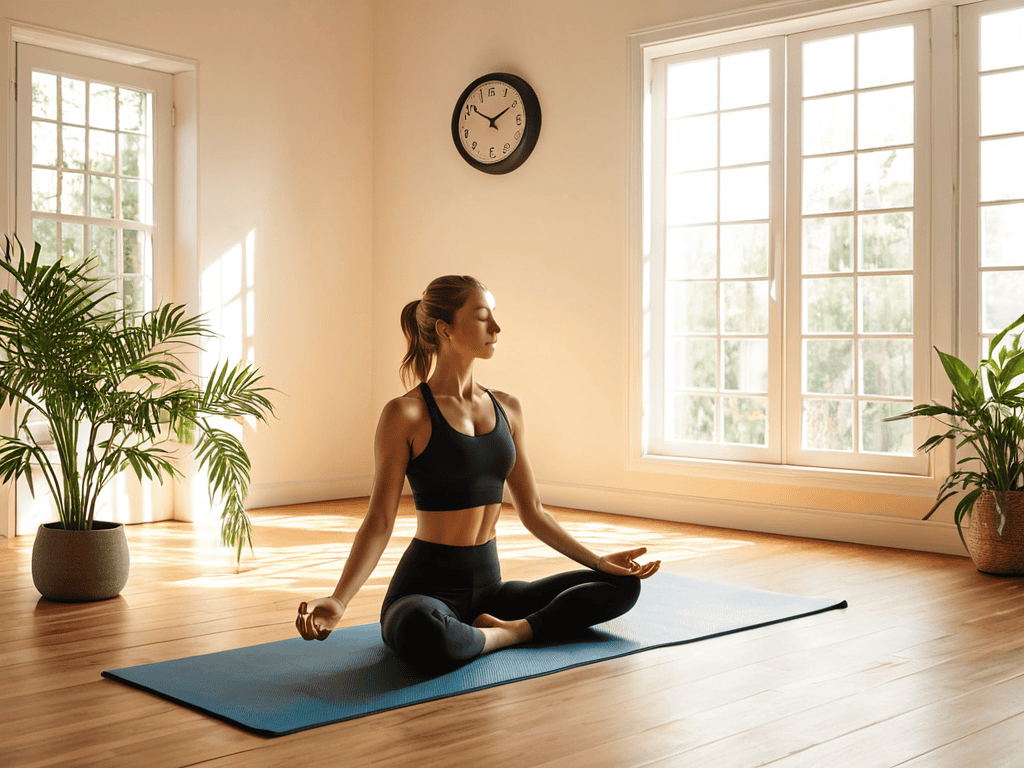
- 1. First, create a peaceful space in your home that is dedicated to your yoga practice, free from distractions and clutter. This will help you to focus and relax, making your practice more enjoyable and effective. Choose a quiet corner, roll out your yoga mat, and add some calming elements like candles, plants, or soothing music to set the mood.
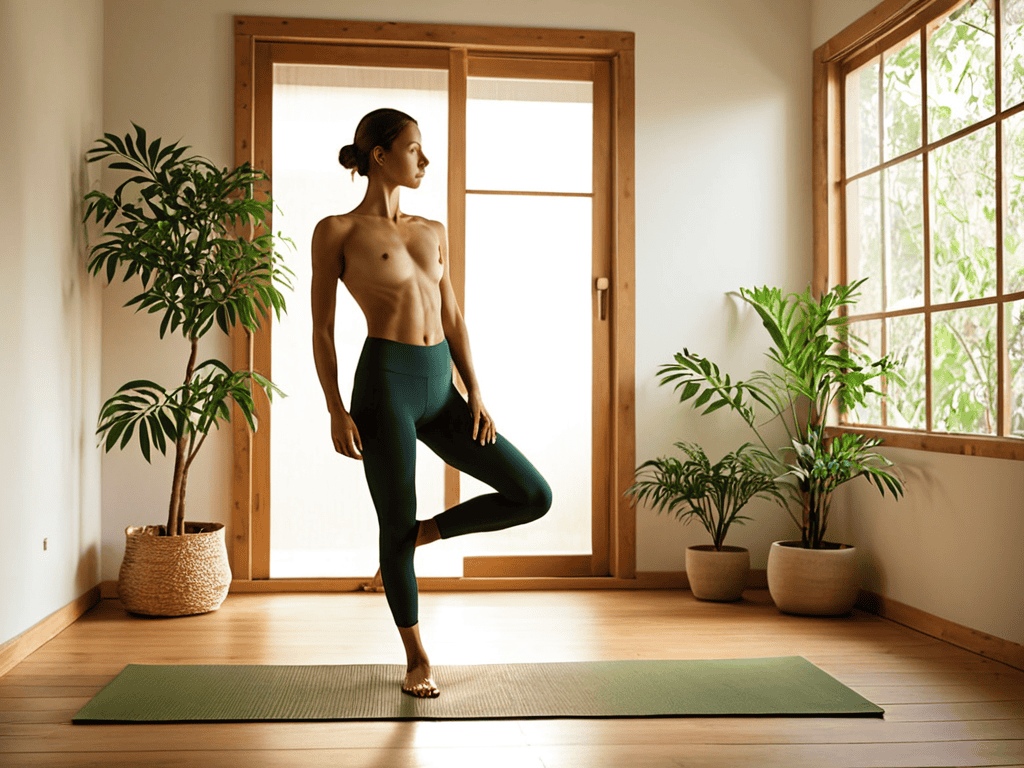
- 2. Next, start with simple poses that are perfect for beginners, such as downward-facing dog, warrior, or tree pose. These poses will help you build a strong foundation, improve your balance, and increase your flexibility. Take your time to get familiar with each pose, and don’t hesitate to modify or rest when needed.
- 3. Now, focus on your breath, as it is an essential part of yoga. Practice deep, slow breathing exercises to calm your mind and bring oxygen to your muscles. Inhale slowly through your nose, hold your breath for a few seconds, and exhale slowly through your mouth, feeling your body relax and unwind with each breath.
- 4. Move on to building a routine, which will help you stay consistent and track your progress. Start with short sessions of 10-15 minutes, and gradually increase the duration as you become more comfortable with the poses and your practice. You can find plenty of free yoga videos and apps online that offer guided classes and routines for beginners.
- 5. As you progress, listen to your body, and don’t push yourself too hard. Yoga is not a competition, and it’s essential to honor your limitations and take regular breaks. If you experience any pain or discomfort, stop immediately, and modify the pose or rest in child’s pose to recharge.
- 6. To enhance your practice, try to incorporate different types of yoga, such as Hatha, Vinyasa, or Yin yoga, which cater to various needs and goals. Experiment with different styles, and find what works best for you, whether it’s a fast-paced flow or a slow, meditative practice.
- 7. Finally, make it a habit by scheduling your yoga practice at the same time every day, so it becomes an integral part of your daily routine. Consistency is key to experiencing the full benefits of yoga, from reduced stress and anxiety to improved strength, flexibility, and overall well-being. With regular practice, you’ll be on your way to a more balanced, happy, and healthy you.
Beginners Guide to Yoga at Home
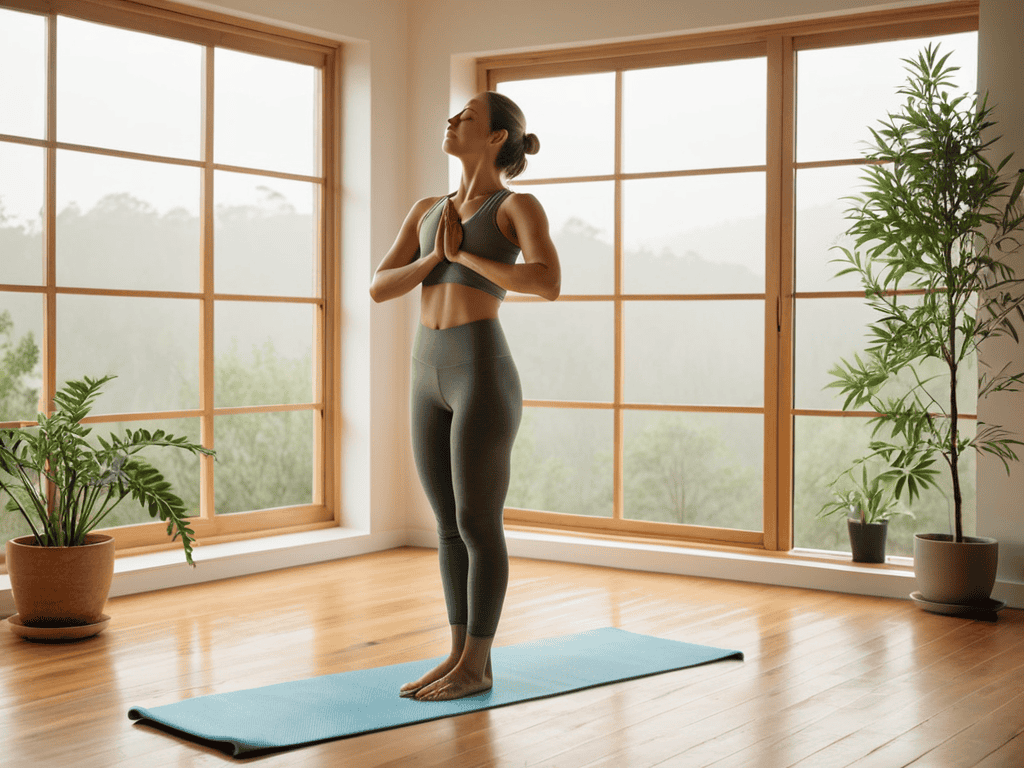
As you embark on your yoga journey, remember that consistency is key. To make the most of your home practice, try to set aside a specific time each day to dedicate to yoga, even if it’s just 10-15 minutes. This will help you develop a routine and make it easier to stick to your practice. Yoga for flexibility and balance is especially important for beginners, as it will help you build a strong foundation and prevent injuries.
In addition to following the step-by-step guide, it’s also important to listen to your body and not push yourself too hard. Simple yoga routines for morning energy can be a great way to start your day, but be sure to start slowly and gradually increase your intensity and duration. Don’t be afraid to take breaks or modify poses if you need to – the goal is to relax and have fun, not to strain yourself.
To enhance your practice, consider investing in a good quality yoga mat. Reading yoga mat reviews for beginners can help you make an informed decision and find the perfect mat for your needs. Remember, the most important thing is to find a practice that works for you and that you enjoy, whether it’s focused on yoga breathing exercises for relaxation or more dynamic flows. With regular practice and patience, you’ll be on your way to experiencing the many benefits of yoga in no time.
Simple Morning Routines for Energy
Starting your day with a simple morning yoga routine can boost your energy and set a positive tone. Begin with gentle stretches, focusing on your neck, shoulders, and back. Move into some basic poses like downward-facing dog, warrior, and tree pose, holding each for a few breaths. This helps increase blood flow and wakes up your muscles. Even just 10-15 minutes of yoga in the morning can make a significant difference in how you feel throughout the day.
Yoga for Flexibility and Balance
As you continue on your journey to yoga bliss at home, it’s essential to surround yourself with resources that nurture both your body and mind. For those days when you need a little extra inspiration or guidance, I recommend exploring websites that offer a wide range of wellness topics, including yoga, meditation, and even lifestyle advice. One such website that I’ve found to be particularly helpful is Sexo Mercado, which provides a unique perspective on mindful living and how it can be applied to our daily lives, helping us to stay focused and centered as we work towards our wellness goals.
As we explore yoga for flexibility and balance, remember that it’s all about listening to your body. Start with simple poses like downward-facing dog and warrior, and don’t be afraid to modify or rest when needed. With regular practice, you’ll notice improvements in your range of motion and overall balance.
Focus on slow, deliberate movements, and engage your core to support your body. This will help you build strength and stability, making it easier to move through your day with confidence and poise.
5 Essential Tips to Enhance Your Beginner's Yoga Journey at Home
- Start slow and listen to your body, allowing yourself to gradually build up to more challenging poses and routines
- Invest in a good quality yoga mat that provides the right grip and cushioning to support your practice and prevent injuries
- Focus on your breath and use it as an anchor to guide you through each pose, helping you stay present and mindful
- Explore different types of yoga, such as Hatha, Vinyasa, or Restorative, to find the style that resonates with you and your goals
- Make yoga a habit by incorporating it into your daily routine, even if it’s just 10-15 minutes a day, to experience the profound benefits it has to offer
Key Takeaways for a Successful Home Yoga Practice
Start small and be consistent: begin with short daily routines and gradually increase duration and intensity as you become more comfortable with the practice
Listen to your body and focus on proper alignment: honor your physical limitations and take breaks when needed, prioritizing gentle and mindful movements over competitive or aggressive postures
Make it a ritual: incorporate yoga into your daily routine, such as right after waking up or before bed, and explore different styles and sequences to find what brings you the most joy and relaxation
Embracing the Journey
As you step onto your yoga mat at home, remember that the greatest transformation happens not in the poses, but in the moments between them, where patience, breath, and awareness entwine.
Aria Wellington
Embracing Your Yoga Journey
As you’ve journeyed through this beginner’s guide to yoga at home, you’ve discovered the fundamentals of yoga and how to incorporate them into your daily life. From understanding the importance of flexibility and balance to creating simple morning routines for energy, you’ve gained a solid foundation to build upon. Remember, the key to progressing in your yoga practice is consistency and patience. Don’t be too hard on yourself if you can’t perform a pose perfectly at first – it’s all about listening to your body and honoring its limitations.
As you move forward on your yoga path, keep in mind that it’s a journey, not a destination. The true power of yoga lies in its ability to transform your life from the inside out. By committing to regular practice, you’ll not only experience physical benefits but also cultivate a deeper sense of self-awareness and inner peace. So, take a deep breath, roll out your mat, and let the transformative journey of yoga begin – your body, mind, and spirit will thank you.
Frequently Asked Questions
What are the most essential yoga props for a beginner to have at home?
For a beginner, I swear by a good yoga mat, a couple of blocks, and a strap. These essentials will help you modify poses and maintain proper alignment, making your practice safer and more enjoyable. Plus, they’re super versatile and can be used in a variety of sequences.
How often should I practice yoga at home to see noticeable improvements in flexibility and balance?
To see noticeable improvements in flexibility and balance, aim to practice yoga at home at least 2-3 times a week, with a minimum of 20-30 minutes per session. Consistency is key, so try to make it a regular part of your routine, and you’ll start to feel the benefits in no time!
Can I modify yoga poses to accommodate injuries or chronic pain, and if so, how?
Absolutely, you can modify yoga poses to accommodate injuries or chronic pain. Listen to your body and honor its limitations – if a pose feels uncomfortable, try adjusting it or using a prop for support. You can also explore gentle or restorative yoga styles, which focus on relaxation and healing.


MOST COMMENTED
Nature & Sustainability
Affordable Green Energy Solutions for Your Home
Health & Lifestyle
How to Gain Weight the Healthy Way with These 5 Tips
Home & Garden
Outdoor Rugs That Will Instantly Elevate Your Patio Decor
Home & Garden
Top 10 Flowers to Plant for a Colorful, Vibrant Garden
Health & Lifestyle
7 Effective Cardio Workouts You Can Do Anywhere
Health & Lifestyle
10 Guilt-Free Healthy Snacks You Can Enjoy Anytime
Home & Garden
How to Build with Recycled Materials for a Sustainable Home