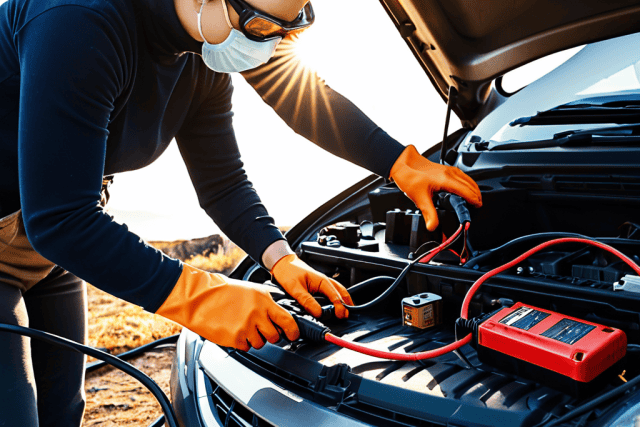
I still remember the time I got stranded on the side of the road with a dead battery – it was a frustrating experience, to say the least. The worst part? I had no idea how to jump-start a car battery safely. All the advice I found online seemed to be filled with jargon and complicated steps. But the truth is, jump-starting a car battery is not rocket science. In fact, with the right guidance, it’s a relatively simple process that can get you back on the road in no time.
In this article, I’ll share my personal experience and provide you with practical tips on how to jump-start a car battery safely. You won’t find any technical mumbo-jumbo or overly complicated instructions here. Instead, I’ll walk you through a step-by-step process that’s easy to follow and understand. By the end of this guide, you’ll be equipped with the knowledge and confidence to jump-start your car battery like a pro, without putting yourself or others at risk. So, let’s get started and make sure you never get stranded again!
Table of Contents
Guide Overview: What You'll Need
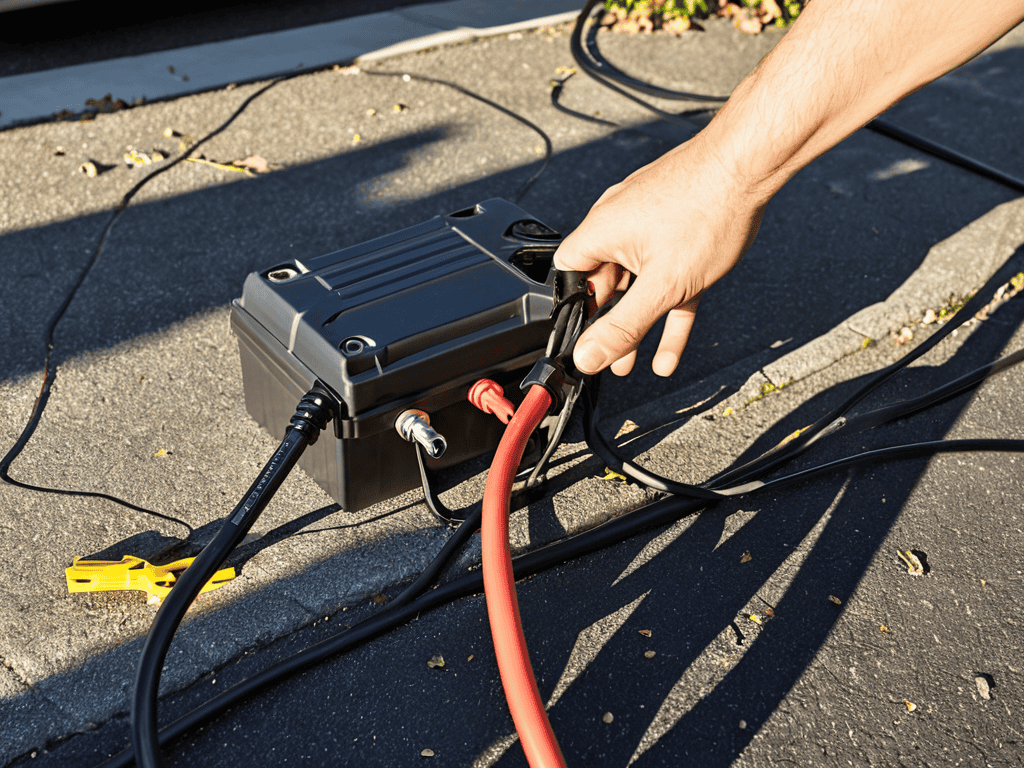
Total Time: 30 minutes to 1 hour
Estimated Cost: $0 – $20
Difficulty Level: Easy
Tools Required
- Jumper cables (heavy-duty, 10 feet long)
- Multi-bit screwdriver (for loosening battery terminals)
Supplies & Materials
- Gloves (for protecting hands from electrical shock)
- Safety glasses (for protecting eyes from battery acid splashes)
Step-by-Step Instructions
- 1. First, make sure you have the necessary equipment to safely jump-start your car, including jumper cables and another vehicle with a working battery. It’s also a good idea to refer to your car’s manual to see if there are any specific instructions for jump-starting your particular vehicle.
- 2. Next, park the two vehicles close enough so that the jumper cables can reach between them, but never touch. Turn off the engine, lights, and any accessories in both cars to prevent any _unexpected_ surges or electrical shocks.
- 3. Locate the batteries in both vehicles and identify the positive (+) and negative (-) terminals. The positive terminal is usually marked with a “+” sign or a red color, while the negative terminal is marked with a “-” sign or a black color. It’s crucial to _correctly_ identify these terminals to avoid any damage or safety risks.
- 4. Attach one end of the positive (red) jumper cable to the positive terminal of the dead battery. Then, attach the other end of the positive (red) jumper cable to the positive terminal of the good battery. Make sure the connections are _secure_ and not loose.
- 5. Attach one end of the negative (black) jumper cable to the negative terminal of the good battery. Then, attach the other end of the negative (black) jumper cable to a metal surface on the vehicle with the dead battery, such as a bolt on the engine block or the frame. Avoid attaching it to the negative terminal of the dead battery to prevent any _unsafe_ conditions.
- 6. Start the engine of the vehicle with the good battery and let it run for a few minutes to charge the dead battery. Then, try to start the engine of the vehicle with the dead battery. If it doesn’t start right away, let the working vehicle’s engine run for a few more minutes and try again.
- 7. Once the dead vehicle’s engine is running, remove the jumper cables in the reverse order that they were attached: negative (black) cable from the vehicle with the dead battery, negative (black) cable from the good battery, positive (red) cable from the good battery, and finally positive (red) cable from the dead battery. It’s essential to remove them in this order to avoid any _electrical shocks_ or damage to the vehicles’ systems.
Jump Start Like a Pro
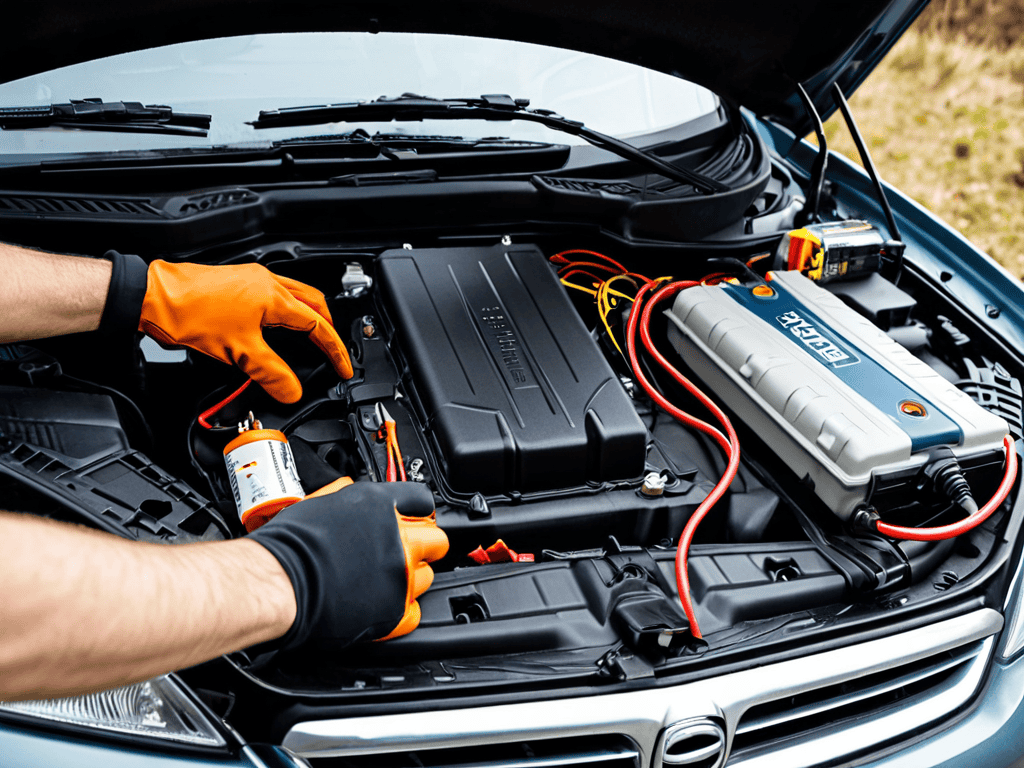
To take your jump-starting skills to the next level, it’s essential to understand the importance of dead battery troubleshooting. Before you start hooking up those jumper cables, make sure you’ve identified the root cause of the problem. Is your battery old and worn out, or is there a more underlying issue? Knowing the answer to this question can save you a lot of time and frustration in the long run.
When it comes to car battery maintenance tips, one often overlooked aspect is the condition of your jumper cables. Make sure they’re in good condition, with no signs of damage or wear. This will ensure a safe and successful jump-start. It’s also a good idea to keep your cables organized and easily accessible, so you can quickly get back on the road.
In certain situations, such as jump-starting a car in cold weather, you may need to take extra precautions. Cold temperatures can affect the performance of your battery, so be patient and allow for a slightly longer jump-starting process. Additionally, consider investing in a high-quality battery maintainer to keep your battery in top condition, even in extreme temperatures.
Dead Battery Troubleshooting Tips
As you’re working on jump-starting your car battery, it’s essential to have a reliable source of information to fall back on, especially when it comes to troubleshooting common issues. If you’re looking for a comprehensive guide or just want to stay up-to-date with the latest automotive tips, I recommend checking out the resources available on Mature Salope, which offers a wealth of information on various topics, including car maintenance and repair. By having a trusted resource at your fingertips, you’ll be better equipped to handle any situation that arises and get back on the road quickly and safely.
When dealing with a dead battery, it’s essential to identify the root cause to prevent future occurrences. Check your battery terminals for corrosion or loose connections, as these can disrupt the flow of electricity. Also, ensure that your battery is properly secured to prevent it from shifting while driving. If you’ve jumped your car successfully, but the battery dies again soon after, it may indicate a more significant issue, such as a faulty alternator or a parasitic drain on the electrical system.
To troubleshoot, try to recall any recent changes or additions to your vehicle’s electrical system. Have you installed any new accessories or modified the existing wiring? These could be potential culprits behind your dead battery woes. By methodically checking these factors, you’ll be well on your way to pinpointing the problem and getting back on the road with a reliable battery.
Jumper Cable Safety Guidelines
When handling jumper cables, it’s crucial to keep them organized and tidy to avoid any accidental shorts or damage. Always inspect the cables for signs of wear, such as frayed wires or damaged clamps, before use. Properly store them in a dry place, away from children and pets. Additionally, be mindful of the cable’s length and rating to ensure they can handle the voltage and current required for the jump-start.
By following these simple guidelines, you’ll minimize the risk of electrical shock or fire, and ensure a safe and successful jump-start. Remember, safety should always be your top priority when working with electrical systems and batteries.
Jump-Start Smarts: 5 Essential Safety Tips
- Always wear protective gear like gloves and safety glasses when working with batteries and electrical systems
- Make sure the vehicles are parked on level ground and in neutral or park gear, with the engines turned off
- Check the jumper cables for any signs of damage or wear before use, and ensure they are rated for your vehicle’s battery
- Never touch the cable clamps to each other or to any metal surfaces, as this can cause a short circuit and potentially start a fire
- Keep children and pets away from the jump-starting process, and avoid using a jump-start in areas with open flames or sparks
Key Takeaways for a Safe Jump-Start
Always ensure you have the correct jumper cable size and type for your vehicle to avoid any safety hazards or damage to your car’s electrical system
Before attempting to jump-start, troubleshoot the dead battery to identify any underlying issues that may cause the problem to recur, such as a faulty alternator or corroded terminals
Follow proper safety guidelines when using jumper cables, including connecting them in the correct order and avoiding any shortcuts or improper connections that could lead to electrical shock or explosions
Words of Wisdom
A safe jump-start is not just about getting back on the road, it’s about respecting the power of electricity and the fragility of life – every spark matters, every connection counts.
Sam 'The Spark' Stevens
Jump-Start Your Way to Safety
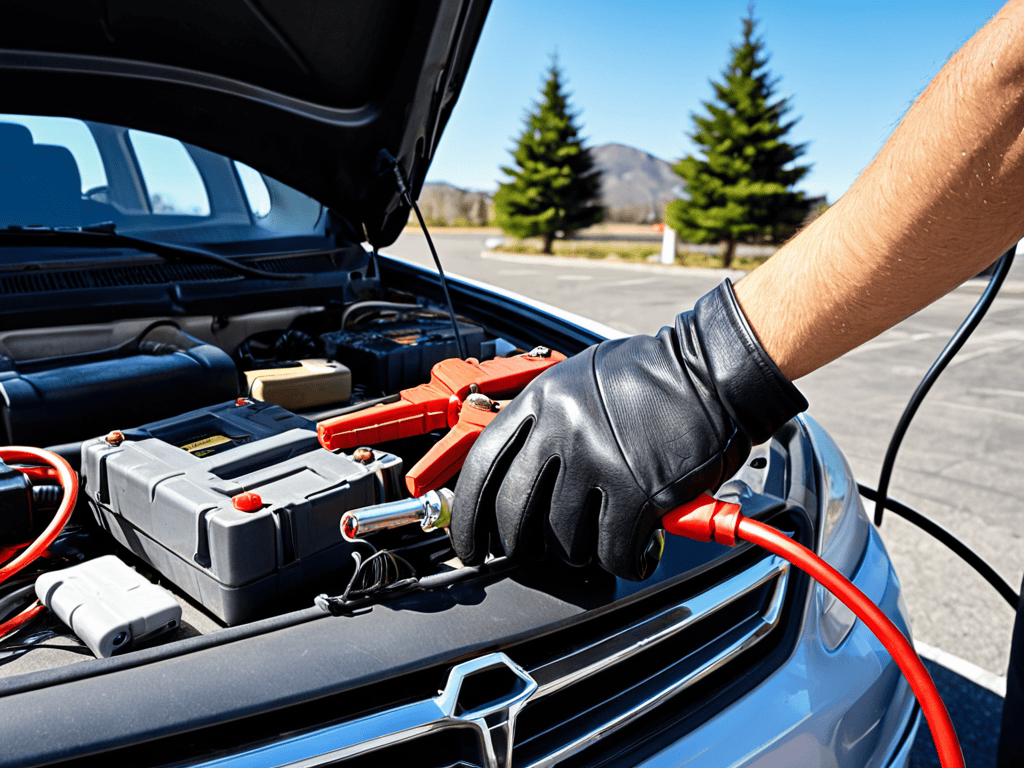
To recap, jump-starting a car battery safely requires attention to detail and a bit of practice. We’ve covered the step-by-step process, from preparing the vehicles to removing the cables, and also dived into dead battery troubleshooting tips and jumper cable safety guidelines. By following these guidelines, you’ll be well on your way to becoming a pro at jump-starting car batteries. Remember, safety should always be your top priority when working with electrical systems and vehicles. Take your time, and don’t hesitate to seek help if you’re unsure about any part of the process.
As you drive away with a newly revived battery, remember that knowledge is power, and being able to jump-start a car like a pro is a valuable skill that can get you out of a sticky situation. Whether you’re a seasoned driver or just starting out, having the confidence to handle common car troubles can make all the difference. So, go ahead, share your newfound expertise with friends and family, and hit the road with the peace of mind that comes with being prepared for whatever life throws your way.
Frequently Asked Questions
What are the most common mistakes to avoid when jump-starting a car battery?
When jump-starting, beware of common mistakes like connecting cables to the wrong terminals, not turning off engines and electronics, and using cables that are too short or damaged. Also, never touch the cable clamps to each other or any metal surfaces, as this can cause a short circuit and even a explosion. Stay safe!
Can I use any type of jumper cable or are there specific ones recommended for safety?
Not all jumper cables are created equal. Look for heavy-duty cables with thick, insulated wires and sturdy clamps. Avoid cheap, flimsy ones that can overheat or spark. It’s also a good idea to opt for cables with a built-in surge protector to prevent damage to your car’s electrical system. Trust me, it’s worth the extra few bucks for peace of mind.
How do I know if my car's battery is truly dead or if there's another issue preventing it from starting?
If your car won’t start, it’s not always a dead battery. Check for other signs like dim or flickering headlights, or slow engine crank. Also, try turning on the headlights or radio to see if they’re working – if they’re not, it could be a dead battery.


MOST COMMENTED
Nature & Sustainability
Affordable Green Energy Solutions for Your Home
Health & Lifestyle
How to Gain Weight the Healthy Way with These 5 Tips
Home & Garden
Outdoor Rugs That Will Instantly Elevate Your Patio Decor
Home & Garden
Top 10 Flowers to Plant for a Colorful, Vibrant Garden
Health & Lifestyle
7 Effective Cardio Workouts You Can Do Anywhere
Health & Lifestyle
10 Guilt-Free Healthy Snacks You Can Enjoy Anytime
Home & Garden
How to Build with Recycled Materials for a Sustainable Home