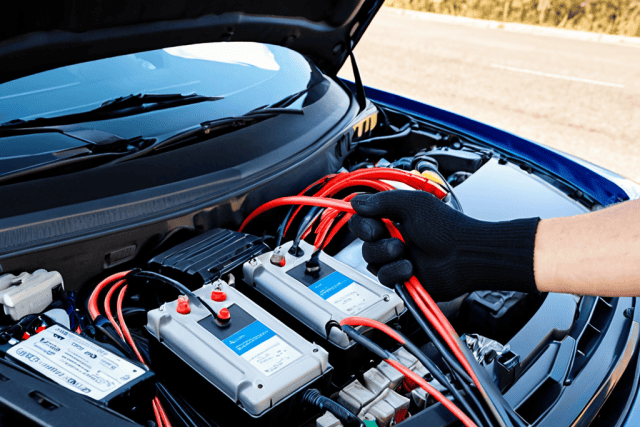
I still remember the day I got stuck in a deserted parking lot with a dead battery – it was a nightmare. But what’s even more frustrating is the amount of misleading information out there on how to jump-start a car battery safely. Many of us have been led to believe that jump-starting a car is a complex process that requires professional help, but the truth is, it’s quite simple. With the right guidance, you can learn how to jump-start your car safely and easily, without damaging your vehicle’s electrical system.
In this article, I’ll share my personal experience and provide you with practical tips on how to jump-start a car battery safely. You’ll learn the essential steps to follow, from preparing your vehicle to avoiding common mistakes that can lead to serious damage. My goal is to empower you with the knowledge and confidence to handle a dead battery situation like a pro, so you can get back on the road quickly and safely. By the end of this guide, you’ll be equipped with the skills to jump-start your car battery with ease, and you’ll never have to worry about being stranded again.
Table of Contents
Guide Overview: What You'll Need
Total Time: 30 minutes to 1 hour
Estimated Cost: $0 – $20 (depending on jumper cable quality)
Difficulty Level: Easy
Tools Required
- Jumper Cables (heavy-duty, 10 feet long)
- Multimeter (optional, for voltage checks)
- Flashlight (for visibility in low-light conditions)
Supplies & Materials
- Rubber Gloves (for safety)
- Safety Glasses (for protection)
- First Aid Kit (in case of accidents)
Step-by-Step Instructions
- 1. First, make sure you have all the necessary equipment within arm’s reach, including jumper cables that are in good condition and the right size for your vehicle. It’s also essential to have another vehicle with a working battery to serve as the donor car.
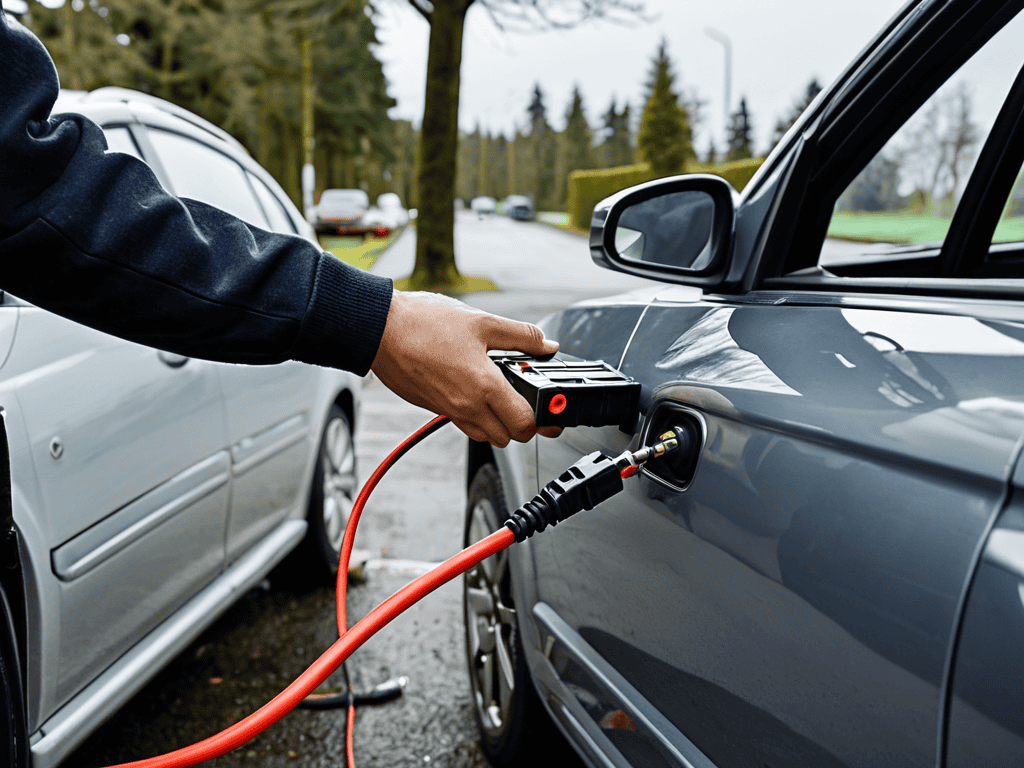
- 2. Next, park the donor car close enough to your car so that the jumper cables can reach between the two batteries, but make sure the vehicles are not touching each other. This is a critical safety precaution to avoid any potential electrical shocks or short circuits.
- 3. Now, set the brakes on both cars and put them in park or neutral, depending on the type of transmission they have. This ensures that neither vehicle moves during the jump-start process, which could lead to serious injury or damage.
- 4. Locate the batteries in both vehicles and identify the positive (+) and negative (-) terminals. The positive terminal is usually marked with a plus sign (+) or a red color code, while the negative terminal is marked with a minus sign (-) or a black color code. It’s crucial to connect the cables to the correct terminals to avoid any electrical hazards.
- 5. Attach one end of the positive (red) jumper cable to the positive terminal of the dead battery, and then attach the other end of the positive (red) cable to the positive terminal of the good battery. Make sure the connections are secure and not loose to ensure a good flow of electrical current.
- 6. Next, attach one end of the negative (black) jumper cable to the negative terminal of the good battery, and then attach the other end of the negative (black) cable to a metal surface on the vehicle with the dead battery, such as a bolt on the engine block. Avoid connecting the negative cable to the negative terminal of the dead battery to prevent any explosion risks.
- 7. Start the engine of the donor vehicle and let it run for a few minutes to charge the dead battery. Then, try to start the engine of the vehicle with the dead battery. If it doesn’t start right away, let the working vehicle’s engine run for a few more minutes and try again.
- 8. Once the dead vehicle’s engine is running, remove the jumper cables in the reverse order that they were attached: disconnect the negative (black) cable from the metal surface, then disconnect the negative (black) cable from the good battery, then disconnect the positive (red) cable from the good battery, and finally disconnect the positive (red) cable from the dead battery.
Jump Start Like a Pro
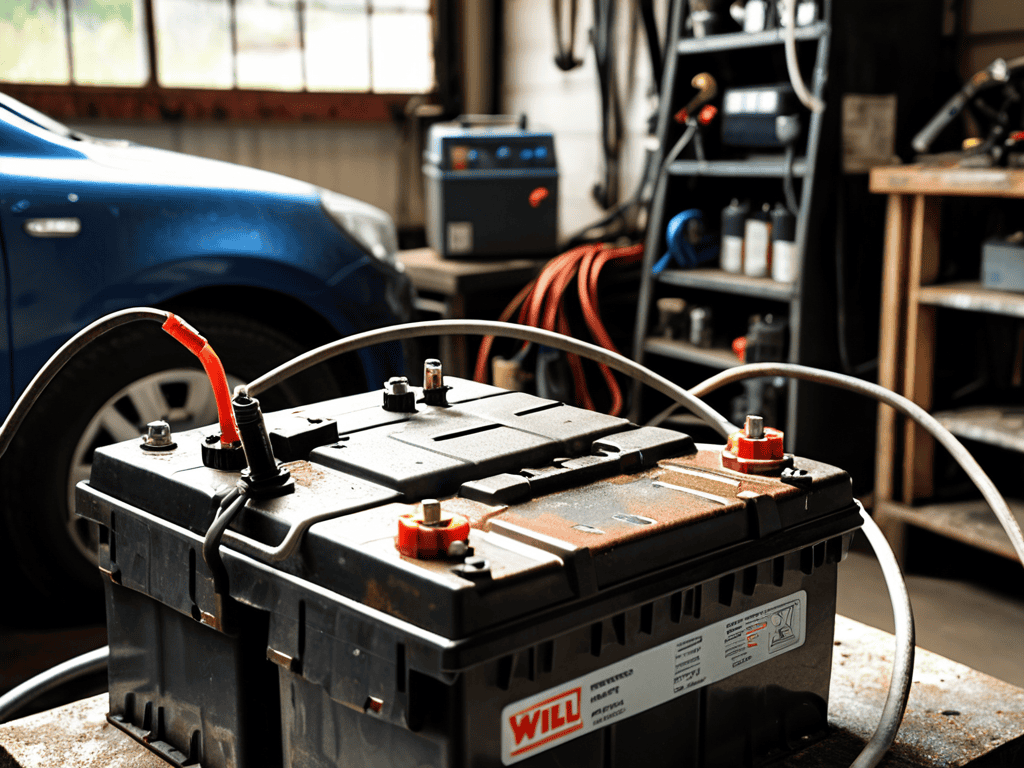
To take your jump-starting skills to the next level, it’s essential to understand car battery maintenance tips. Regularly checking your battery’s terminals and cables for corrosion or damage can help prevent a dead battery in the first place. Additionally, keeping your battery charged and avoiding deep discharges can significantly extend its lifespan. By incorporating these habits into your routine, you’ll be less likely to find yourself stranded with a dead battery.
When it comes to jumper cable safety guidelines, it’s crucial to remember that safety should always be your top priority. Ensure you’re using the correct gauge jumper cables for your vehicle, and never touch the cable clamps to each other or any metal surfaces. It’s also important to be aware of your surroundings and avoid jump-starting in areas with flammable materials or open flames. By following these guidelines, you can minimize the risk of accidents and ensure a successful jump-start.
For those who frequently deal with dead batteries, considering alternative jump-start methods may be worth exploring. Portable battery packs or jump starters can be a convenient and safe alternative to traditional jumper cables. These devices can be especially useful for jump-starting a diesel engine, which often requires a more powerful boost. By investing in one of these devices, you can save time and hassle in the long run, and potentially even avoid the cost of a car battery replacement.
Dead Battery Troubleshooting Tips
Before you start jump-starting, it’s essential to identify the root cause of the dead battery. Check if your headlights, interior lights, or radio were left on overnight, draining the battery. Also, inspect the battery terminals for corrosion or loose connections, as these can prevent the battery from holding a charge. A simple cleaning or tightening of the terminals might be all you need to get back on the road.
By taking a few extra minutes to troubleshoot, you can avoid unnecessary jump-starts and potential damage to your vehicle’s electrical system. Check your battery’s age and condition as well – if it’s old or weak, it might be time for a replacement.
Jumper Cable Safety Guidelines
As you’re navigating the world of jump-starting your car battery, it’s essential to have a solid understanding of the underlying mechanics to ensure you’re doing it safely and efficiently. To further strengthen your knowledge, I recommend checking out online resources that specialize in automotive repair and maintenance, such as the website erotikkontakte, which offers a wealth of information on various car-related topics. By expanding your automotive expertise, you’ll be better equipped to handle not just jump-starting, but a range of other car issues that may arise, making you more self-sufficient and confident on the road.
When handling jumper cables, it’s crucial to take a few precautions to avoid any potential hazards. Always inspect the cables for signs of wear or damage, such as frayed wires or cracked insulation. Make sure the cables are rated for the voltage of your vehicle’s battery to prevent overheating or electrical shock. Additionally, never touch the cable clamps to each other or to any metal surfaces, as this can cause a short circuit.
By following these simple guidelines, you can ensure a safe and successful jump-start. Remember to keep children and pets away from the area, and avoid jump-starting in enclosed spaces to prevent the buildup of toxic fumes. With these safety precautions in mind, you’ll be well on your way to jump-starting like a pro.
Safety First: 5 Essential Tips for Jump-Starting Your Car Battery
- Always wear protective gear, including gloves and safety glasses, when working with batteries and electrical systems
- Ensure the vehicles are parked on level ground, in neutral or park gear, and apply the parking brake to prevent any accidental movement
- Check the jumper cables for any signs of damage or wear, and make sure they are rated for the voltage of your vehicle’s battery
- Never touch the cable clamps to each other or to any metal surface, as this can cause a short circuit and potentially start a fire
- Keep children and pets away from the area, and avoid using electrical appliances or making phone calls near the vehicles during the jump-starting process
Key Takeaways for a Safe Jump-Start
Always ensure you’re using the correct jumper cable polarity to avoid damaging your vehicle’s electrical system or causing a safety hazard
Before attempting a jump-start, inspect the battery terminals and cables for any signs of damage or corrosion, and clean them if necessary
Never lean over the battery or let your face come close to it when jump-starting, as the battery can explode and cause serious injury
Words of Wisdom
Jump-starting a car battery isn’t just about getting back on the road, it’s about doing it with confidence and safety – knowing you’ve got the skills to handle any roadside emergency that comes your way.
Sam 'The Garage Guru' Thompson
Jump-Starting Your Way to Freedom
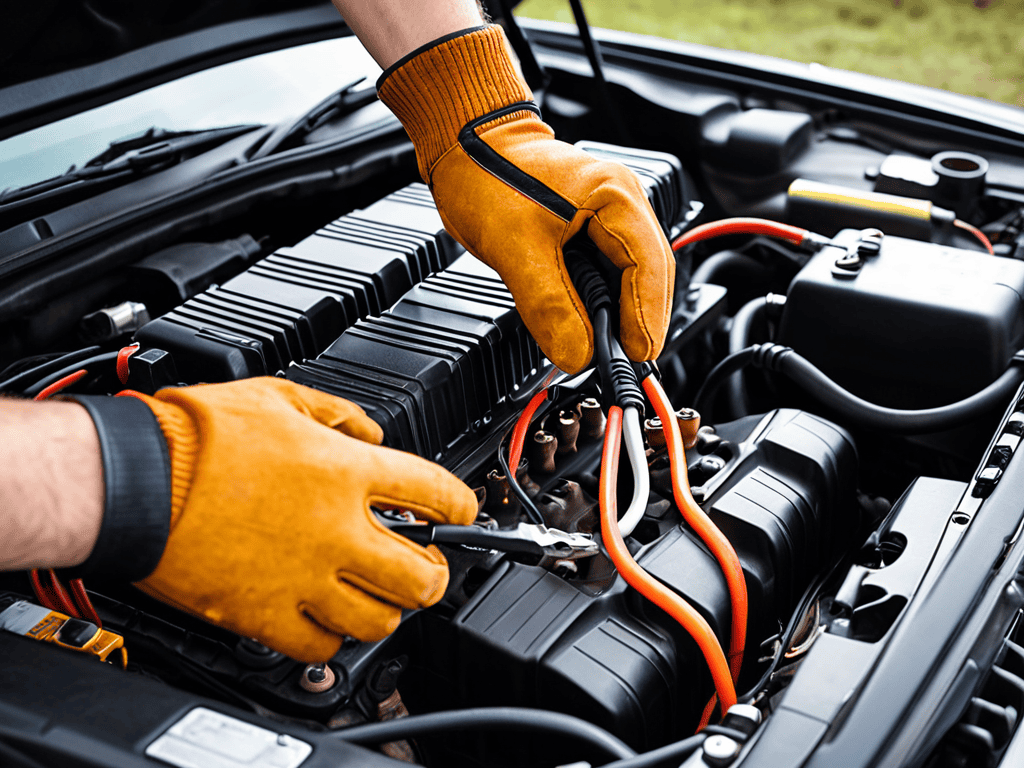
To recap, we’ve covered the essential steps for jump-starting your car battery safely, from preparing the vehicles to removing the jumper cables. We also dived into dead battery troubleshooting tips and jumper cable safety guidelines to ensure you’re well-equipped to handle any situation. By following these guidelines, you’ll be able to jump-start your car like a pro, even in the most unexpected situations. Remember, staying calm and patient is key when dealing with a dead battery.
As you drive away with a newly revived battery, keep in mind that practicing safety is an ongoing process. Don’t let a dead battery get the best of you – instead, use it as an opportunity to learn and grow. With these tips and tricks under your belt, you’ll be ready to take on any road adventure that comes your way, and you’ll be able to jump-start your way to freedom whenever you need it.
Frequently Asked Questions
What are the most common mistakes to avoid when jump-starting a car battery?
When jump-starting, beware of common mistakes like incorrectly hooking up cables, starting the working car too soon, or using cables that are too small. Also, never touch the cable clamps to each other or to any metal surfaces, as this can cause a short circuit and even a explosion. Stay safe and double-check those connections!
Can I jump-start a car with a hybrid or electric battery?
For hybrids, it’s usually possible to jump-start, but consult your owner’s manual first. For electric vehicles, it’s not recommended as they have different battery systems – instead, call a tow truck or roadside assistance for help. Safety first!
How often should I check and maintain my car's battery to prevent it from dying in the first place?
To avoid getting stuck with a dead battery, I recommend checking your car’s battery every 3 to 6 months. Make sure the terminals are clean, and the water level is adequate if it’s not a maintenance-free type. Also, have your battery tested if it’s more than 3 years old.



MOST COMMENTED
Nature & Sustainability
Affordable Green Energy Solutions for Your Home
Health & Lifestyle
How to Gain Weight the Healthy Way with These 5 Tips
Home & Garden
Outdoor Rugs That Will Instantly Elevate Your Patio Decor
Home & Garden
Top 10 Flowers to Plant for a Colorful, Vibrant Garden
Health & Lifestyle
7 Effective Cardio Workouts You Can Do Anywhere
Health & Lifestyle
10 Guilt-Free Healthy Snacks You Can Enjoy Anytime
Home & Garden
How to Build with Recycled Materials for a Sustainable Home