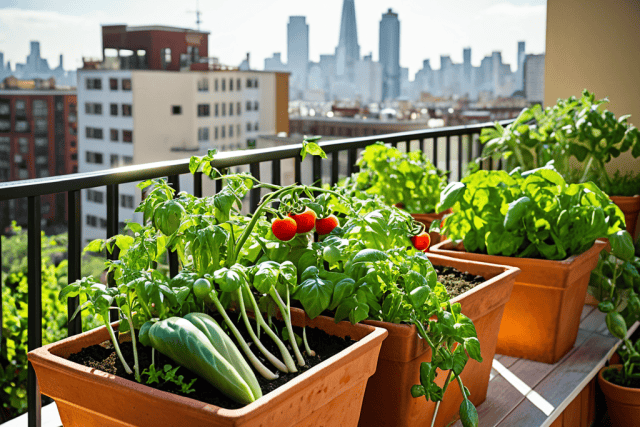
I still remember the day I decided to start a vegetable garden in containers on my tiny balcony. I was determined to grow my own food, but every guide I read made it sound like a daunting task. They’d say you need a massive backyard or a green thumb to succeed. But I was determined to prove them wrong. I began by researching the basics of how to start a vegetable garden in containers, and let me tell you, it’s been a wild ride ever since. I’ve learned that with the right mindset and a bit of patience, anyone can grow their own delicious veggies, even in the smallest of spaces.
As you read through this article, you’ll get practical advice on how to choose the right containers, select the perfect vegetables for your climate, and maintain a thriving garden. You won’t find any jargon or overwhelming instructions here, just honest, no-hype guidance to help you succeed. Whether you’re a seasoned gardener or a complete beginner, this guide will walk you through every step of how to start a vegetable garden in containers, so you can enjoy the satisfaction of harvesting your own homegrown produce.
Table of Contents
Guide Overview: What You'll Need
Total Time: 2 hours 30 minutes
Estimated Cost: $50 – $100
Difficulty Level: Easy
Tools Required
- Trowel for soil and planting
- Watering Can or a hose with spray nozzle
- Pruning Shears for trimming plants
- Measuring Tape for measuring container size
Supplies & Materials
- Containers at least 6 inches deep and 8 inches wide
- Potting Soil specifically designed for containers
- Vegetable Seeds or seedlings of your choice
- Fertilizer balanced, water-soluble fertilizer
- Mulch optional, for retaining moisture
Step-by-Step Instructions
- 1. First, choose the right container for your vegetable garden – it should be at least 5 gallons to give those roots some room to breathe. Consider using a plastic or wooden container, and make sure it has good drainage holes to prevent waterlogged soil.
- 2. Next, select the perfect soil mix for your container garden. You’ll want a mix that’s specifically designed for containers and has a good balance of nutrients, pH level, and water-holding capacity. Avoid using soil from your garden bed, as it can compact and prevent proper drainage in containers.
- 3. Now it’s time to pick your vegetables. Choose varieties that are compact or dwarf, and suitable for container growing. Some popular options include tomatoes, peppers, cucumbers, and herbs like basil and mint. Consider the mature size of each plant and leave enough space for them to grow.
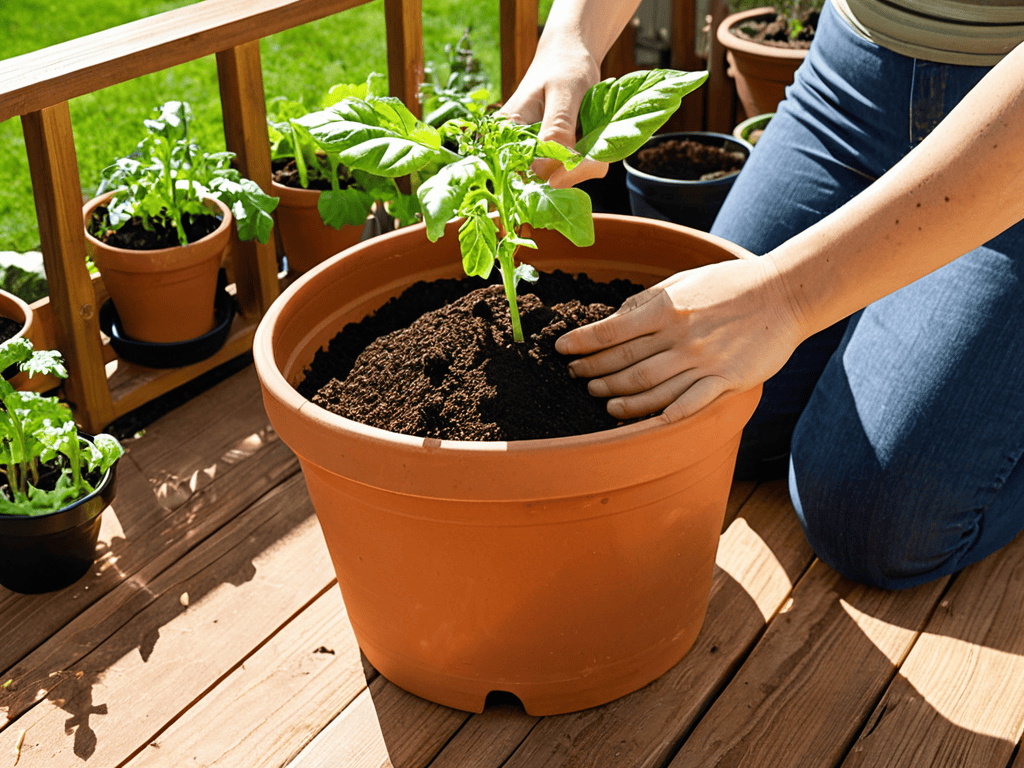
- 4. Once you’ve selected your vegetables, it’s time to prepare the soil. Fill your container with the soil mix, leaving about an inch at the top for watering. You can also add some organic fertilizer to give your plants a boost. Mix it in well, and then gently firm the soil to prevent settling.
- 5. After preparing the soil, it’s time to plant your vegetables. Follow the specific planting instructions for each variety, and make sure to space them correctly. Water the soil gently but thoroughly after planting, and keep the soil consistently moist during the first few weeks.
- 6. As your plants grow, you’ll need to provide support for them. This can be as simple as using tomato cages or trellises, or as complex as building a custom support system. Keep an eye on your plants’ growth habits and provide support as needed to keep them upright and healthy.
- 7. Finally, keep your container garden healthy by monitoring the soil moisture, providing adequate sunlight, and controlling pests and diseases. Check your plants regularly for signs of stress or infestation, and take action promptly to prevent problems from spreading. With a little care and attention, your container garden will thrive and provide you with a bountiful harvest.
Starting Containers With Ease
As you continue on your journey to growing your dream vegetable garden in containers, it’s essential to stay inspired and informed about the latest techniques and best practices. For those looking to expand their knowledge, I’ve found that connecting with like-minded individuals can be a great way to learn from others and get tips on everything from soil composition to pest management. If you’re interested in exploring online communities or forums where you can meet fellow gardeners, I recommend checking out resources like sexkontakte, which can provide a wealth of information and connections to help you take your container gardening to the next level, and focus on building a thriving garden ecosystem that brings you joy and fresh produce all season long.
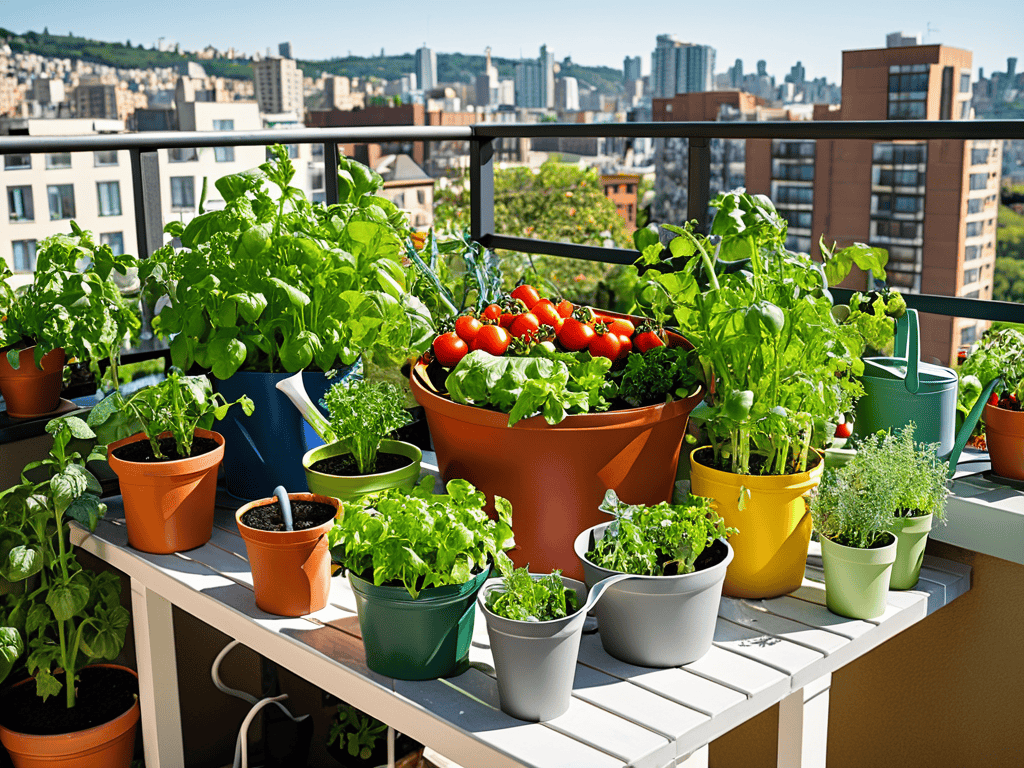
When it comes to small space vegetable gardening, one of the biggest challenges is making the most of your available area. To overcome this, consider using container garden layouts that maximize space, such as tiered planters or vertical gardens. This approach allows you to grow a variety of vegetables in a compact area, making it perfect for balconies, patios, or even indoor spaces.
To ensure your containers thrive, it’s essential to choose the right size. Choosing the right container size is crucial, as it affects the soil volume and root growth. Opt for containers that are at least 5 gallons to provide ample room for roots to breathe. Additionally, consider using self watering planters for vegetables, which can help reduce maintenance and prevent waterlogged soil.
As you start your container garden, keep an eye out for potential pests. Vegetable garden pest control is crucial to prevent damage to your plants. Use natural methods like neem oil or introduce beneficial insects to keep pests at bay. By following these tips, you’ll be well on your way to creating a thriving container garden, even as a container gardening for beginners.
Choosing Right Container Size Matters
When it comes to container gardening, size really does matter. A container that’s too small can leave your veggies struggling for water and nutrients, while one that’s too large can be a real hassle to move around. For most veggies, a container that’s at least 5 gallons is a good starting point. This gives the roots enough room to breathe and grow, and makes it easier to maintain a consistent moisture level. Plus, it’s just the right size for a small balcony or patio.
Choose a container that fits your space and the type of veggies you want to grow. Deeper containers are perfect for carrots and beets, while shallower ones are better for leafy greens like lettuce and kale. Consider the mature size of the plants and leave enough space for them to grow.
Small Space Vegetable Gardening Tips
When working with limited space, it’s all about maximizing your container’s potential. Consider using trellises or obelisks to train vining plants like tomatoes, peas, or cucumbers to grow upwards. This not only saves space but also adds a decorative touch to your garden. You can also make the most of your container’s depth by layering plants – place smaller plants like herbs or lettuce towards the edges, and taller plants like carrots or beans in the center.
To further optimize your space, think vertically by stacking containers or using a tiered planter. This allows you to grow multiple plants in a small footprint, making the most of your available space. By getting creative with your container layout, you can enjoy a thriving and productive vegetable garden even in the smallest of spaces.
Sowing Success: 5 Essential Tips for a Thriving Container Vegetable Garden
- Select containers with good drainage to prevent waterlogged soil and root rot
- Use a high-quality potting mix specifically designed for containers to ensure optimal nutrient uptake
- Choose vegetable varieties that are compact or dwarf, making them ideal for small spaces and container gardens
- Maintain a consistent watering schedule, taking into account the specific needs of each vegetable type and the climate you’re in
- Feed your container garden with a balanced fertilizer to promote healthy growth and maximize yields
Key Takeaways for Your Container Vegetable Garden
Choose the right container size to give your vegetable roots enough room to breathe, aiming for at least 5 gallons for most varieties
Select a well-draining potting mix and consider adding a balanced fertilizer to promote healthy plant growth
Don’t be afraid to get creative with your container garden’s layout and plant selection to maximize space and visual appeal
Sowing Wisdom
Growing your own vegetable garden in containers is like giving your taste buds a hug from the inside out – it’s a journey that nurtures both body and soul, and the best part is, anyone can start it with just a little dirt, some love, and a dream.
GreenThumb Guru
Sowing the Seeds of Success
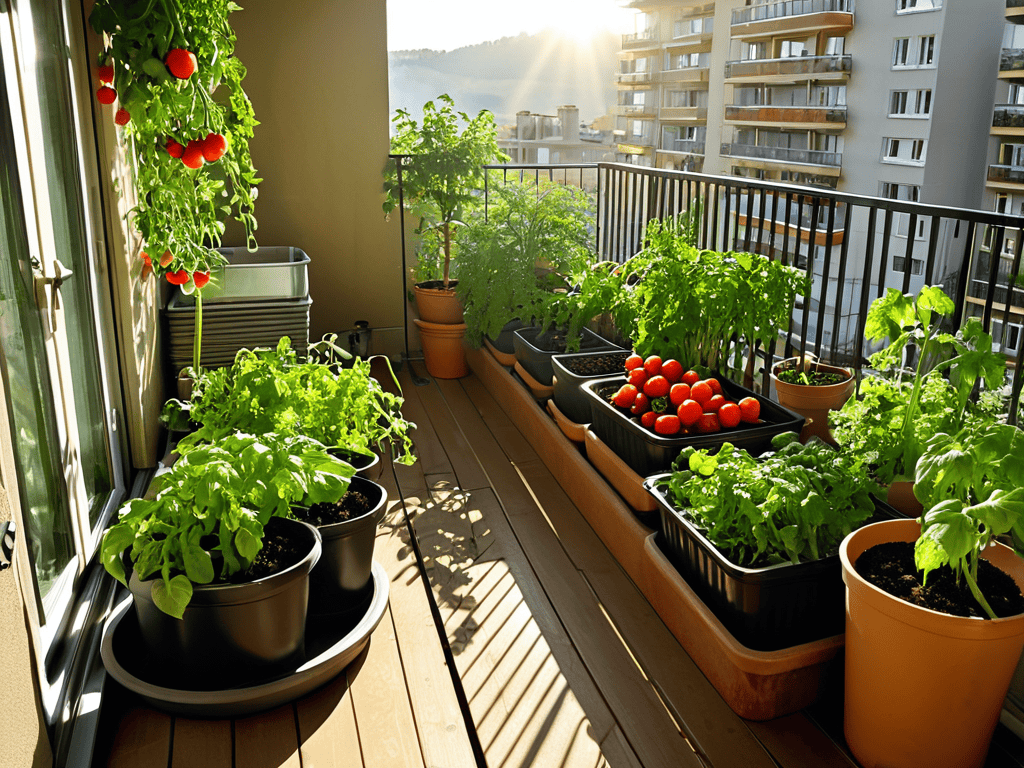
As you embark on your journey to start a vegetable garden in containers, remember that choosing the right container size and selecting the perfect spot are crucial for a bountiful harvest. You’ve learned the step-by-step process, from preparing the soil to nurturing your plants, and even picked up some valuable tips for small space vegetable gardening. By following these guidelines and being mindful of the importance of drainage, you’ll be well on your way to growing a thriving and productive container garden. Whether you’re a seasoned gardener or a beginner, the sense of accomplishment that comes with harvesting your own homegrown vegetables is unparalleled.
Now that you’ve got the basics down, it’s time to get creative and make your container garden truly yours. Don’t be afraid to experiment with new varieties and try out different container arrangements to find what works best for you. As you tend to your garden and watch your plants grow, remember that the journey is just as important as the destination. The simple act of nurturing a seedling into a thriving plant can be a powerful reminder of the beauty of growth and the satisfaction that comes with cultivating your own little slice of heaven. So go ahead, get growing, and enjoy the fruits of your labor!
Frequently Asked Questions
What are the best vegetables to grow in containers for a beginner?
For a beginner, I recommend starting with easy-to-grow veggies like cherry tomatoes, leafy greens, and herbs like basil or cilantro. These guys are super forgiving and will give you a confidence boost. Plus, they’re perfect for smaller containers, making them ideal for small space gardening.
How often should I water my container vegetable garden?
Watering is a breeze – just check the soil daily, and water when the top inch feels dry. Aim for about 1-2 inches of water per week, either from rain or watering cans. Don’t overdo it, or you’ll risk root rot!
Can I use regular potting soil or do I need a special mix for container gardens?
For container gardens, regular potting soil can work, but it’s not ideal. A specialized container mix is better as it retains moisture, drains excess water, and provides the right nutrients for healthy growth. If you only have regular potting soil, you can mix in some perlite or vermiculite to improve drainage.


MOST COMMENTED
Nature & Sustainability
Affordable Green Energy Solutions for Your Home
Health & Lifestyle
How to Gain Weight the Healthy Way with These 5 Tips
Home & Garden
Outdoor Rugs That Will Instantly Elevate Your Patio Decor
Home & Garden
Top 10 Flowers to Plant for a Colorful, Vibrant Garden
Health & Lifestyle
7 Effective Cardio Workouts You Can Do Anywhere
Health & Lifestyle
10 Guilt-Free Healthy Snacks You Can Enjoy Anytime
Home & Garden
How to Build with Recycled Materials for a Sustainable Home