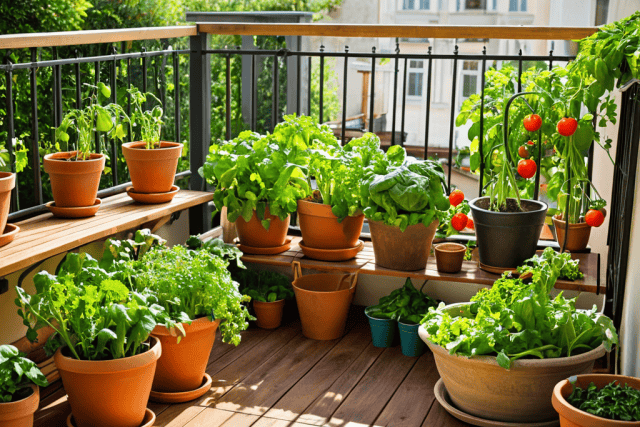
I still remember the day I decided to try how to start a vegetable garden in containers on my small balcony. I was excited to grow my own herbs and veggies, but I was also intimidated by all the conflicting advice online. Everyone seemed to have a different opinion on the “right” way to do it, and I felt overwhelmed by the sheer amount of information. But as I dug deeper, I realized that most of the tips and tricks out there are just not practical for a beginner like me. That’s when I decided to take matters into my own hands and experiment with different methods to find what really works.
In this article, I’ll share my honest and no-nonsense advice on how to start a vegetable garden in containers. I’ll walk you through the simple, step-by-step process that I’ve found to be most effective, from choosing the right containers to selecting the best vegetables for your climate. You won’t find any fancy gardening jargon or unrealistic expectations here – just practical tips and real-life examples to help you get started on your own container gardening journey. By the end of this article, you’ll be equipped with the knowledge and confidence to grow your own delicious veggies, even in the smallest of spaces.
Table of Contents
Guide Overview: What You'll Need
Total Time: 2 hours 30 minutes
Estimated Cost: $50 – $100
Difficulty Level: Easy
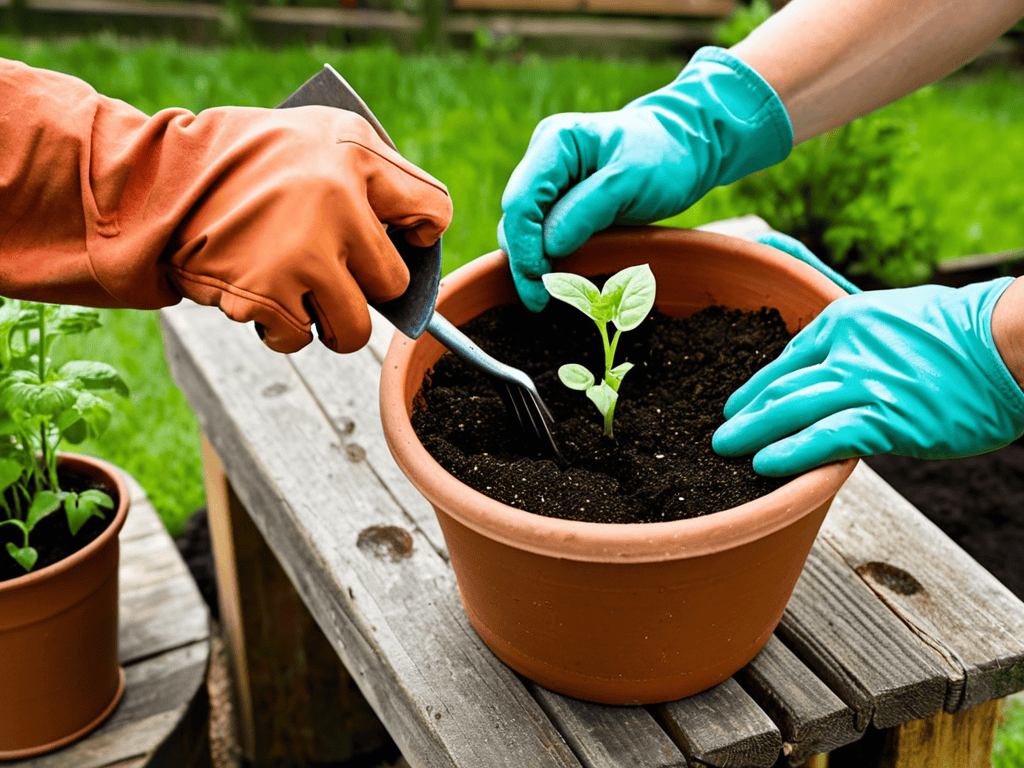
Tools Required
- Gardening Gloves (for protection)
- Trowel (for planting)
- Watering Can (or a hose with a spray nozzle)
- Measuring Tape (for measuring container size)
- Pruning Shears (for trimming plants)
Supplies & Materials
- Containers with drainage holes (at least 5 gallons each)
- Potting Soil (specifically designed for containers)
- Vegetable Seeds or Seedlings (choose your desired varieties)
- Fertilizer (balanced, water-soluble)
- Mulch (optional, for moisture retention)
Step-by-Step Instructions
- 1. First, choose the right containers for your vegetable garden. You’ll want to select containers that are at least 5-7 gallons to provide enough room for the roots of your plants to grow. Also, make sure they have drainage holes in the bottom to prevent waterlogged soil. Consider using containers made of durable materials like wood, plastic, or metal, and pick a size that fits the space you have available.
- 2. Next, prepare the soil mixture for your containers. You’ll want to use a high-quality potting soil that is specifically designed for containers. Avoid using soil from your garden, as it can compact and prevent proper drainage. Instead, opt for a mix that is light, fluffy, and rich in organic matter. You can also add some compost or fertilizer to give your plants a nutrient boost.
- 3. Now it’s time to select the vegetables you want to grow. Choose varieties that are compact or dwarf, as they will do better in containers. Some popular options include tomatoes, peppers, cucumbers, carrots, and herbs like basil and mint. Consider the climate and growing conditions in your area, and pick vegetables that are suitable for your region.
- 4. Once you’ve selected your vegetables, it’s time to sow the seeds. Follow the instructions on the seed packet for the correct depth and spacing. Water the soil gently but thoroughly after sowing, and make sure the soil is consistently moist during the germination period. You can also start seedlings indoors 4-6 weeks before the last frost date, and then transplant them into your containers.
- 5. After your seeds have germinated, it’s time to provide support for your plants. This can include tomato cages, trellises, or stakes to keep them upright and secure. You can also add some mulch or straw to retain moisture and suppress weeds. As your plants grow, make sure to prune them regularly to promote healthy growth and prevent overcrowding.
- 6. As your plants grow, you’ll need to water them regularly. Check the soil daily, and water when the top inch of soil feels dry to the touch. Avoid overwatering, which can lead to root rot and other problems. You can also use a soil moisture meter to check the moisture levels in your containers.
- 7. Finally, keep your containers healthy by monitoring for pests and diseases. Keep an eye out for signs of infestation or infection, and take action promptly if you notice any problems. You can use organic or integrated pest management techniques to control pests, and remove any infected plants to prevent the spread of disease. With regular care and attention, your container vegetable garden should thrive and provide you with a bountiful harvest.
Starting Small Vegetable Gardens
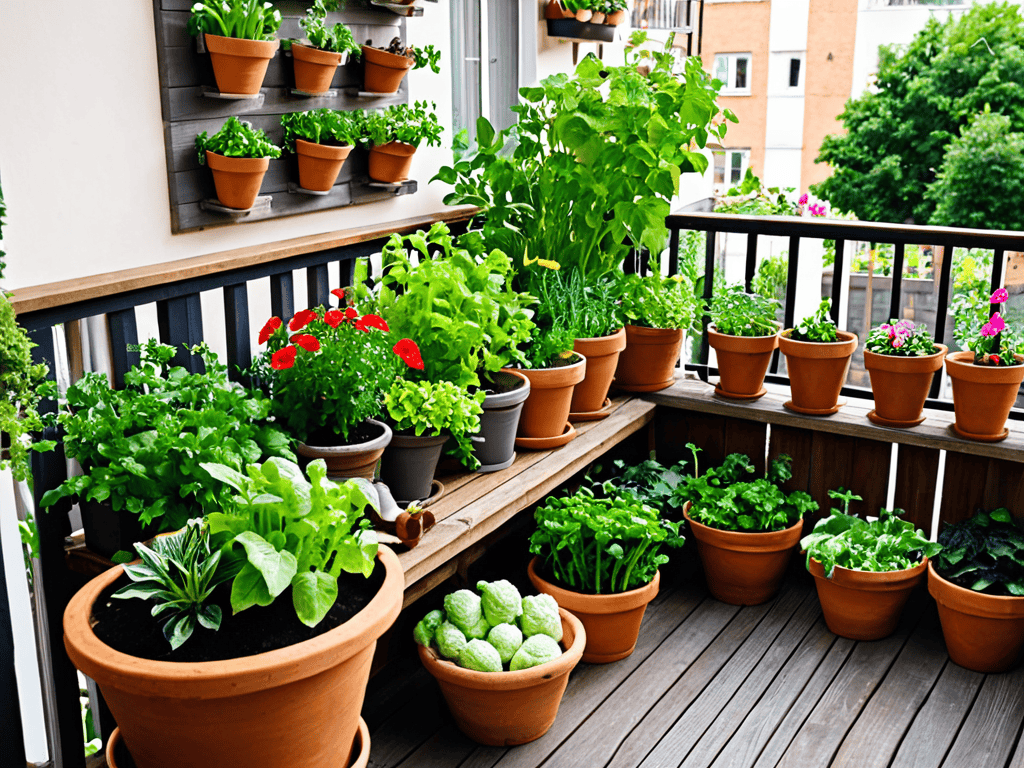
When it comes to small space vegetable gardening, every inch counts. To make the most of your container garden, consider implementing a thoughtful container garden layout. This can be as simple as grouping plants by their watering needs or as complex as creating a multi-tiered system to maximize space. By doing so, you’ll be able to grow a variety of vegetables in even the smallest of areas.
One of the biggest challenges of container gardening is maintaining the right amount of moisture. Self watering planters for vegetables can be a game-changer, allowing you to go longer between waterings and reducing the risk of overwatering. This is especially important for beginners, as it can be easy to get carried away with watering and end up damaging your plants.
As you’re choosing the right container size for your plants, keep in mind that larger containers can be more forgiving if you forget to water from time to time. However, they also require more soil and can be heavier, making them more difficult to move. It’s all about finding the right balance and being mindful of the specific needs of each plant. By taking the time to consider these factors, you’ll be well on your way to creating a thriving container garden.
Choosing Right Container Sizes
When it comes to container sizes, it’s essential to consider the mature size of the plants you’re growing. A good rule of thumb is to choose containers that are at least 5-7 gallons for most vegetable varieties. This will give the roots enough room to grow and prevent the soil from drying out too quickly. For smaller plants like herbs or lettuce, smaller containers can work, but keep in mind they’ll need more frequent watering.
As you continue to nurture your container garden, you might find yourself wondering about the best ways to optimize your space and make the most out of your mini garden. For those looking to take their container gardening skills to the next level, I recommend checking out some online resources that offer a wealth of information on gardening tips and tricks. You can find a plethora of helpful advice and guidance at websites like sex nrw, which can provide valuable insights on creating a thriving garden ecosystem, even in the smallest of spaces. By exploring these resources, you’ll be well on your way to becoming a container gardening expert and enjoying a bountiful harvest from your own backyard.
Larger containers can be beneficial for plants like tomatoes or peppers, which require more soil and water to produce a bountiful harvest. However, bigger isn’t always better – overly large containers can lead to waterlogged soil and root rot. Aim for a balance between giving your plants enough room to grow and avoiding excessive moisture.
Mastering Container Garden Layouts
When it comes to mastering container garden layouts, it’s all about balance and harmony. You want to create a visually appealing arrangement that also allows for proper growth and air circulation. Consider grouping containers by theme, like a salad garden or a herb garden, to add some personality to your space. Don’t be afraid to mix and match different shapes, sizes, and textures to keep things interesting.
By playing with different layouts, you can also optimize space and make the most of your containers. For example, placing smaller containers in front of larger ones can create a beautiful tiered effect, while also ensuring that all plants receive adequate sunlight. Remember, the key is to have fun and experiment with different arrangements until you find one that works for you and your plants.
Sowing Success: 5 Essential Tips for a Thriving Container Vegetable Garden
- Select containers with good drainage to prevent waterlogged soil and root rot, ensuring your veggies get the right amount of moisture
- Use a high-quality potting mix specifically designed for containers, as it will retain the right amount of water and nutrients for your plants
- Don’t overcrowd your containers – give each plant enough space to grow and receive adequate sunlight, promoting healthy development and maximizing yields
- Feed your container gardens with a balanced fertilizer, taking care not to overfertilize, which can damage your plants and the environment
- Keep your container garden mobile, so you can move it to different locations to optimize sunlight and temperature conditions, giving your veggies the best chance to thrive
Key Takeaways for Your Container Vegetable Garden
Start small and be flexible with your container garden layout to ensure maximum growth and minimal maintenance
Selecting the right container size for your plants is crucial, as it affects drainage, soil quality, and overall plant health
By following a few simple steps and mastering the basics of container gardening, you can successfully grow your own delicious vegetables in even the smallest of spaces
Sowing Wisdom
The art of growing a thriving vegetable garden in containers is not just about nurturing plants, but about cultivating a sense of wonder, patience, and connection to the earth, one seed at a time.
Emilia GreenThumb
Sowing the Seeds of Success
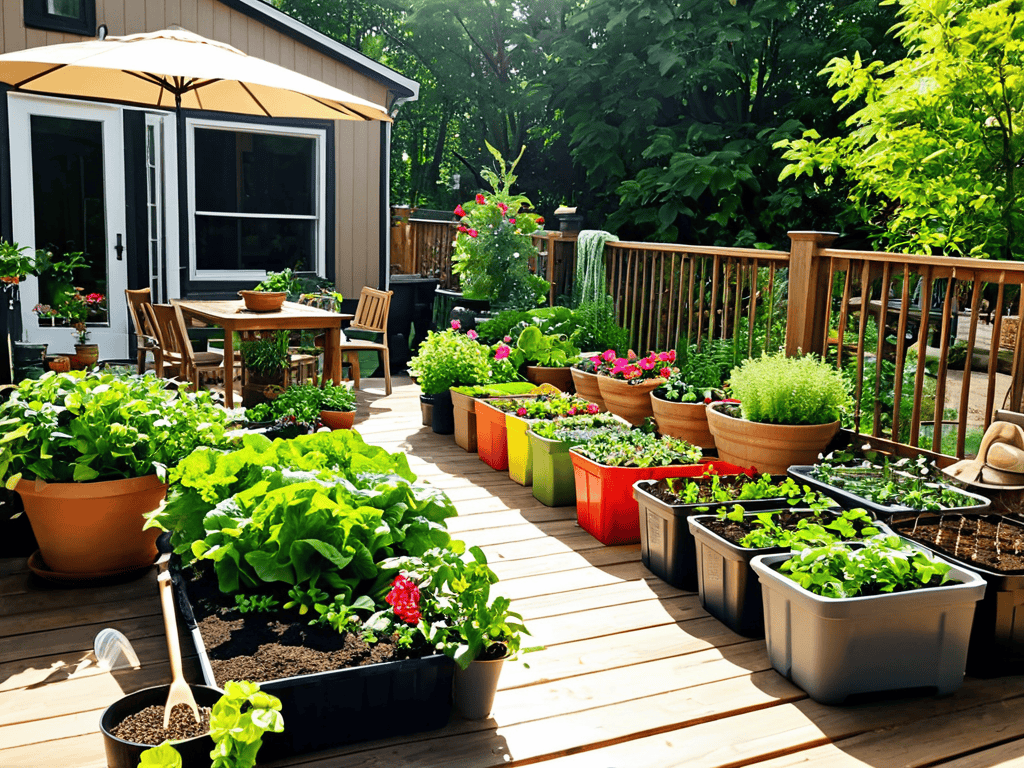
As we’ve journeyed through the world of container gardening, we’ve covered the basics of getting started, from choosing the perfect spot to mastering container garden layouts. We’ve also explored the importance of starting small and selecting the right container sizes for your vegetable garden. By following these steps and tips, you’ll be well on your way to growing a thriving and bountiful harvest. Remember to be patient and enjoy the process, as it’s just as rewarding as the end result.
As you embark on this gardening adventure, keep in mind that it’s not just about growing vegetables – it’s about cultivating a sense of community and connection with nature and those around you. So, don’t be afraid to get creative, experiment with new recipes, and share your harvest with loved ones. With time and practice, you’ll find that your container garden becomes a symbol of hope and renewal, reminding you that even in small spaces, big dreams can grow and flourish.
Frequently Asked Questions
What are the best vegetables to grow in containers for a beginner?
For a beginner, I recommend starting with easy-to-grow veggies like cherry tomatoes, leafy greens, and herbs like basil or cilantro. They’re perfect for containers and require minimal maintenance. Plus, they’ll give you a sense of accomplishment and keep you motivated to keep gardening!
How often should I water my container vegetable garden?
Watering is crucial – check your containers daily, and water when the top inch of soil feels dry. Aim for about 1-2 inches of water per week, either from rain or irrigation. Be mindful of drainage holes to prevent waterlogged soil, and adjust your watering schedule based on weather conditions and the specific needs of your veggies.
Can I grow vegetables in containers during the winter months?
Absolutely, you can grow veggies in containers during winter. Just choose varieties like kale, spinach, or broccoli that thrive in cooler temps, and make sure your containers are protected from harsh winds and freezing temps.


MOST COMMENTED
Nature & Sustainability
Affordable Green Energy Solutions for Your Home
Health & Lifestyle
How to Gain Weight the Healthy Way with These 5 Tips
Home & Garden
Outdoor Rugs That Will Instantly Elevate Your Patio Decor
Home & Garden
Top 10 Flowers to Plant for a Colorful, Vibrant Garden
Health & Lifestyle
7 Effective Cardio Workouts You Can Do Anywhere
Health & Lifestyle
10 Guilt-Free Healthy Snacks You Can Enjoy Anytime
Home & Garden
How to Build with Recycled Materials for a Sustainable Home