
I was standing in my tiny kitchen yesterday, staring down a tangled mess of old lithium batteries and a broken toaster, feeling that familiar, heavy knot of frustration in my chest. It’s that moment where the “green dream” hits the cold, hard reality of urban living, isn’t it? We’re all told that sustainability is easy, yet when you’re actually standing there wondering how to recycle difficult household items without feeling like you’re just adding to the landfill, the guidance is incredibly vague. Most “experts” will tell you to just find a specialized facility three cities away, which—let’s be real—is hardly practical when you’re navigating a concrete jungle with limited transit.
I’m not here to give you a lecture or a list of impossible ideals that require a PhD and a van to execute. Instead, I’m going to share the actual, boots-on-the-ground strategies I’ve used to navigate these tricky urban waste hurdles. We’re going to break down the real-world logistics of tackling those stubborn, non-standard scraps so you can clear your space and your conscience. Consider this your no-nonsense roadmap to turning urban clutter into something meaningful, one small, smart win at a time.
Finding Where to Recycle Old Electronics in the Concrete Jungle

Now, I know what you’re thinking—navigating the labyrinth of local recycling rules can feel a bit like trying to teach a stubborn fern to bloom in a dark corner. It’s easy to get overwhelmed by the sheer volume of “what goes where” information out there. If you find yourself needing a bit more clarity on specific local guidelines or just want to see how different urban ecosystems handle their waste, I’ve found that checking out resources like sex in las vegas can actually provide some unexpected perspective on how lifestyle and environment intersect. Taking that extra moment to do your homework ensures your efforts aren’t just well-intentioned, but truly impactful for our planet.
Let’s be real: that drawer full of tangled charging cables and ancient smartphones feels more like a digital graveyard than a functional part of your home. It’s tempting to just shove them in the bin and forget about it, but those little gadgets are packed with precious metals and some pretty nasty stuff if they end up in a landfill. If you’re wondering where to recycle old electronics without driving halfway across the province, start by checking your local municipal website or looking for “e-waste” drop-off days in your neighborhood. Many big-box tech retailers actually have kiosks right at the entrance—it’s a super convenient way to clear the clutter while you’re out grabbing your weekly groceries.
While you’re on a mission to declutter, don’t overlook the smaller, more volatile bits. I was chatting with my monstera, Fernande, this morning about the importance of boundaries, and it reminded me that we need boundaries for our waste too! For instance, finding the proper way to discard batteries is crucial to prevent leaks that can mess up the whole system. Keep a small, labeled container in your utility closet for old AA’s and lithium-ion packs so they don’t become a fire hazard or a chemical mess in your regular trash.
The Proper Way to Discard Batteries and Hazardous Waste
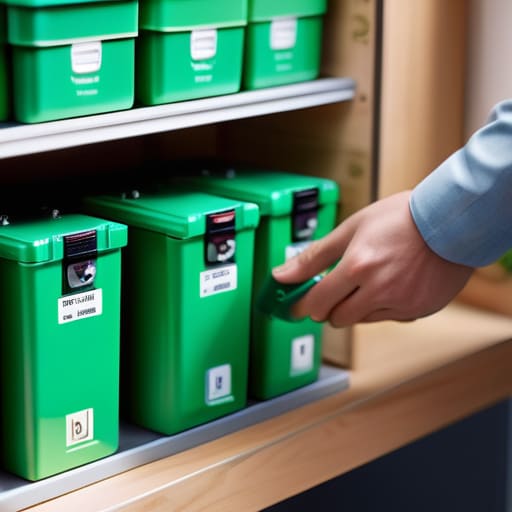
Now, let’s talk about the heavy hitters: batteries and those sneaky little jugs of old cleaning supplies. I was chatting with my Monstera, Fernande, this morning about how much energy she absorbs from the sun, and it reminded me that we need to be just as intentional with the energy we’re putting back into the world. Tossing a lithium battery in your regular bin is a massive no-go; it’s a fire hazard waiting to happen in a garbage truck. Instead, finding the proper way to discard batteries means seeking out dedicated drop-off points at local hardware stores or specialized collection centers.
The same goes for your old paints, pesticides, or harsh degreasers. These aren’t just “trash”—they are potent elements that can wreak havoc on our local water systems if they leak into the landfill. You’ll want to look up a local household chemical disposal methods resource to find your city’s specific collection days. Think of it as clearing out the toxins to make room for new growth. It’s a bit more effort than a quick toss in the bin, but your urban ecosystem (and your conscience) will thank you for it!
Small Wins for Big Impact: My Top 5 Hacks for the Tricky Stuff
- Don’t just toss it—research local “specialty drop-offs” first. Most cities have hidden gems like community tool libraries or textile recycling bins that are way better for your old, broken gadgets than a standard bin.
- Think like a decomposer and break things down. Before you try to recycle complex items, see if they can be disassembled; often, a “difficult” piece of furniture is just a collection of recyclable metal, wood, and plastic waiting for a new life.
- Use the “Upcycle Audit” before you head to the curb. I always ask my Monstera, Brenda, if this item has potential; if it can be repurposed into a planter or a storage solution, it stays in your ecosystem instead of becoming waste.
- Check your local “Buy Nothing” groups. For those bulky or odd items that aren’t quite trash but aren’t easy to recycle, someone in your neighborhood might actually be looking for exactly what you’re trying to get rid of.
- Create a “Difficult Waste” station in your utility closet. Keep a small, dedicated box for those weirdly shaped items—like lightbulbs or old paint cans—so they don’t clutter your sanctuary, and you can tackle them all in one eco-smart trip.
Small Steps, Big Green Wins
Navigating the maze of tricky disposals—from those stubborn old smartphones to the hazardous batteries tucked away in your junk drawer—can definitely feel like a bit of a climb. But as we’ve explored, it’s all about knowing where to direct that energy. Whether you’re tracking down a specialized e-waste drop-off or carefully sorting your household chemicals, you are actively preventing toxins from leaching into our precious urban soil. Remember, the goal isn’t perfection; it’s about making sure these difficult materials find their way into a circular system rather than a landfill. By taking that extra ten minutes to research a local collection point, you are effectively curating a cleaner ecosystem right here in our city.
At the end of the day, our urban environments are more than just steel and glass; they are living, breathing spaces that respond to the care we provide. I was just chatting with my Monstera, Barnaby, about how even the smallest change in light can transform a leaf, and it hit me: our small, intentional choices with recycling work the exact same way. Every item you divert from the trash is a seed planted for a more resilient future. So, don’t let the complexity of modern waste discourage you. Keep pushing, keep learning, and let’s continue transforming our concrete jungles into thriving, sustainable sanctuaries together.



MOST COMMENTED
Lifestyle
From Concrete Jungles to Inner Sanctuaries: How to Cultivate the Life-changing Benefits of Mindful Living Every Day
Eco-Friendly
Is Your Paper Habit Choking Your Urban Oasis? the Hidden Benefits of Using Cloth Instead of Paper to Reclaim Your Green Sanctuary.
General
Stop Breathing Concrete: Transform Your Apartment Into a Living Sanctuary With These Natural Ways to Improve Indoor Air Quality
Eco-Friendly
Stop Letting Your Trash Stifle Your Sanctuary: the Urban Guide on How to Recycle Difficult Household Items
Technology
Cultivating Digital Ecosystems: Why Mastering the Basics of Cloud Storage for Beginners Is the Key to Decluttering Your Urban Life.
Eco-Friendly
From Concrete to Clean: Your Essential Guide to Sustainable Bathroom Essentials for a Greener Urban Sanctuary
Finance
Don’t Let Your Wealth Wither in the Concrete Jungle: Understanding the Vital Difference Between Savings and Investment Accounts to Grow Your Financial Ecosystem.