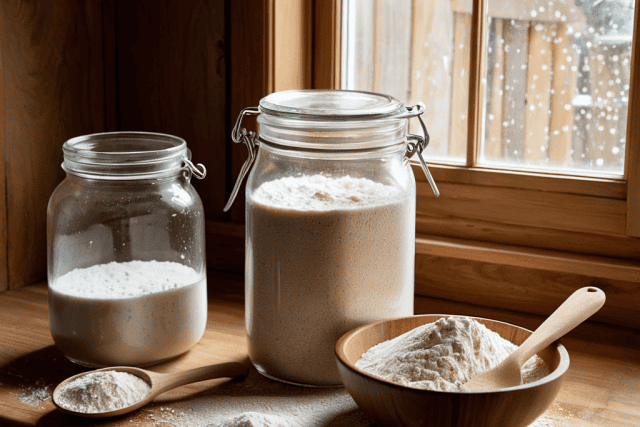
I still remember the first time I tried Making Sourdough Starter – it was a disaster. I had heard all the myths about how complicated and time-consuming it was, and I believed them. But the truth is, creating a sourdough starter is incredibly simple, and with the right guidance, anyone can do it. The problem is, most guides out there are filled with jargon and overly complicated instructions, making it seem like a daunting task. But I’m here to tell you that Making Sourdough Starter is not rocket science, and with a little patience and practice, you can be baking delicious sourdough bread in no time.
So, what can you expect from this article? I’ll be sharing my personal experience and no-nonsense advice on how to create a healthy, thriving sourdough starter from scratch. I’ll walk you through the process step-by-step, covering everything from the initial mixture to the final rise. My goal is to provide you with practical tips and tricks that will make the process easy and enjoyable, even for a beginner. By the end of this article, you’ll be equipped with the knowledge and confidence to start Making Sourdough Starter like a pro, and you’ll be one step closer to baking delicious, homemade sourdough bread.
Table of Contents
Guide Overview: What You'll Need
Total Time: 7 to 14 days
Estimated Cost: $5 – $10
Difficulty Level: Intermediate
Tools Required
- Glass or Ceramic Container with a wide mouth
- Wooden Spoon for mixing
- Cheesecloth or Clean Cotton Cloth for covering the container
Supplies & Materials
- 1 cup of Warm Water around 90 to 100 degrees Fahrenheit
- 1 cup of Flour preferably unbleached and all-purpose
Step-by-Step Instructions
- 1. First, let’s start by creating the perfect environment for our sourdough starter to thrive – we’ll need a clean and sanitized space to work in, free from any contaminants that might hinder the fermentation process. Begin by washing your hands thoroughly and preparing a clean glass or ceramic container for your starter.
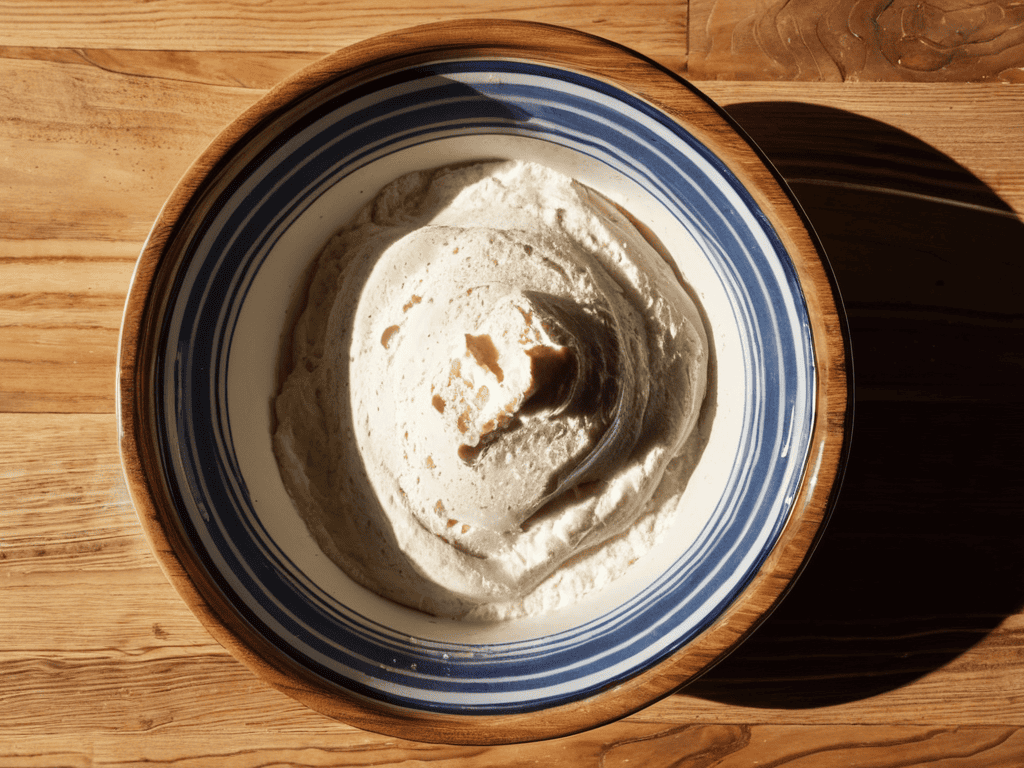
- 2. Next, we’ll need to mix together equal parts of flour and water to create the initial starter mixture – I like to use a _simple ratio_ of 1:1, but feel free to experiment with different proportions to find what works best for you. In a small bowl, combine 1/2 cup of warm water (around 90°F to 100°F) with 1/2 cup of flour, and mix until you get a smooth, thick batter.
- 3. Now it’s time to create a comfortable home for our starter to grow – transfer the mixture to your prepared container, and cover it with a cloth or plastic wrap to maintain a consistent temperature and prevent dust from getting in. Place the container in a warm, draft-free area, such as your kitchen counter or pantry.
- 4. Over the next 24 to 48 hours, your mixture will start to _ferment and bubble_, as the wild yeast and bacteria in the flour begin to activate – this is a crucial step, so be patient and let the magic happen. You might notice a sour smell or see tiny bubbles forming on the surface – these are all good signs that your starter is coming to life.
- 5. After 24 hours, it’s time to _feed your starter_ – discard half of the mixture and add another 1/2 cup of flour and 1/2 cup of water. Mix well and cover the container again, allowing the starter to continue fermenting and growing. Repeat this process every 24 hours for the next 5 to 7 days to help your starter become more robust and active.
- 6. As you continue to feed and care for your starter, you’ll start to notice it becoming more _frothy and airy_ – this is a sign that the yeast and bacteria are thriving, and your starter is almost ready to use in bread recipes. Keep feeding and monitoring your starter’s progress, and don’t hesitate to adjust the temperature, flour, or water as needed to achieve the perfect consistency.
- 7. Finally, after 7 to 10 days of careful nurturing, your sourdough starter should be strong and healthy, with a tangy aroma and a thick, creamy texture – congratulations, you’ve successfully created your very own sourdough starter from scratch! Now it’s time to start baking – use your starter to make delicious bread, pancakes, or waffles, and enjoy the fruits of your labor.
Making Sourdough Starter
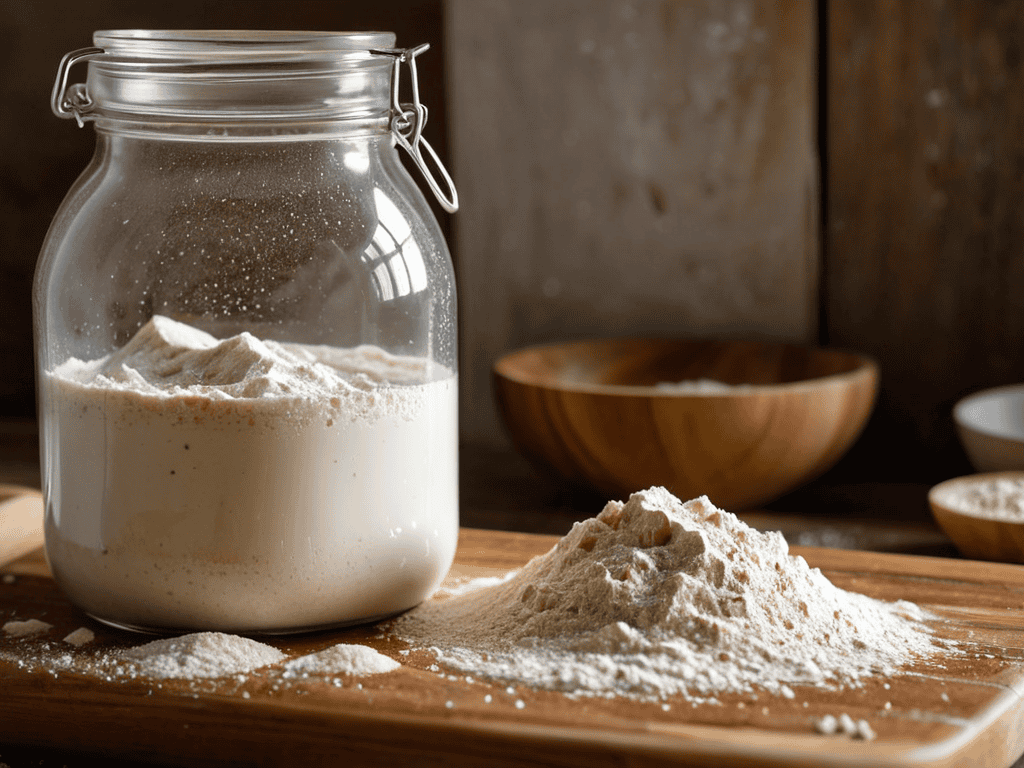
As you embark on creating a sourdough starter from scratch, it’s essential to understand the importance of patience and consistency. Your starter will go through various stages, from frothy and bubbly to calm and serene. Maintaining sourdough starter health requires regular feeding and a stable environment, allowing the natural yeast and bacteria to thrive.
To ensure your starter remains healthy, it’s crucial to establish a routine sourdough starter feeding schedule. This will help you avoid common pitfalls and keep your starter active and ready for baking. By doing so, you’ll be able to troubleshoot any issues that may arise and make adjustments as needed.
As you become more comfortable with your sourdough starter, you can start experimenting with new recipes and techniques, such as converting recipes to sourdough. This will open up a world of possibilities, from artisan breads to delicious pastries. Additionally, don’t forget to explore sourdough discard uses, which can add a new layer of creativity to your baking adventures.
Creating From Scratch With Ease
Creating your sourdough starter from scratch is a remarkably straightforward process. It begins with mixing equal parts of flour and water in a clean glass or ceramic container. The type of flour you use can affect the outcome, but a simple all-purpose flour is a great starting point. As you combine the ingredients, you’ll start to notice a smooth, thick batter forming – this is the foundation of your starter. Over time, with regular feeding and a bit of patience, this mixture will transform into a vibrant, bubbly culture that’s teeming with life.
The initial mixture is the catalyst for a fascinating process that showcases the natural interplay between microorganisms, flour, and water. As the wild yeast and bacteria present in the flour and environment begin to ferment, your starter will start to emit a sour smell and display signs of life, such as bubbles and a frothy texture. This is a clear indication that your sourdough starter is on its way to becoming a thriving, active culture.
Maintaining Health and Troubleshooting
As you continue on your sourdough journey, you’ll likely encounter a plethora of recipes and techniques that will leave you wondering what to try next. To help you navigate the wonderful world of sourdough, I recommend checking out some online communities and forums where enthusiasts share their experiences and tips. For instance, you can find a wealth of information on websites like Sex BW, which offers a range of resources and discussions on various topics, including baking. By exploring these hidden gems, you’ll be able to refine your skills and discover new ideas to incorporate into your baking routine, from creating the perfect crust to experimenting with unique flavor combinations.
To keep your sourdough starter thriving, it’s essential to maintain a consistent feeding schedule. Typically, this means discarding half of the starter and adding equal parts of flour and water once a week. However, if you plan on baking more frequently, you may need to feed it more often. Be mindful of your starter’s activity level and adjust the feeding schedule accordingly.
If you notice any issues, such as mold or an unpleasant odor, it’s likely a sign that your starter needs more attention. Discard the affected portion and refresh it with new flour and water. With proper care and patience, your sourdough starter will remain healthy and continue to yield delicious results.
Rise to Perfection: 5 Essential Tips for Making Sourdough Starter
- Start with a clean environment and equipment to prevent contamination of your sourdough starter
- Use a consistent ratio of flour to water to maintain the health and predictability of your starter
- Feed your sourdough starter regularly to keep it active and robust, ideally once a day
- Monitor the temperature of your environment, as sourdough starters thrive in temperatures between 75°F and 80°F
- Be patient, as creating a thriving sourdough starter can take time, and don’t be afraid to experiment and adjust your approach as needed
Key Takeaways for a Thriving Sourdough Starter
Creating a sourdough starter from scratch is a straightforward process that requires patience, the right ratio of flour to water, and a clean environment to foster the growth of wild yeast and bacteria
Maintaining the health of your sourdough starter involves regular feeding, monitoring its consistency and smell, and being prepared to troubleshoot common issues such as over-proofing or contamination
With proper care and attention, your sourdough starter will become a reliable companion for baking a variety of delicious breads, from classic sourdough loaves to more innovative recipes that showcase its unique flavor and texture
The Heart of Sourdough
As we nurture our sourdough starter, we’re not just cultivating a mixture of flour and water, we’re fostering a living, breathing companion that will elevate our baked goods and connect us to the simple joys of traditional craftsmanship.
Emma, The Sourdough Enthusiast
Rise to the Occasion: A Sourdough Starter's Gift
As we conclude our journey of making a sourdough starter from scratch, it’s essential to reflect on the key takeaways: creating a thriving ecosystem relies on patience, the right balance of flour and water, and a gentle touch. We’ve walked through the step-by-step process, from the initial mixture to the final, bubbly stage, and explored the importance of maintaining health and troubleshooting common issues that may arise. By following these guidelines and dedicating a bit of time each day to nurturing your starter, you’ll be well on your way to baking delicious, crusty bread that’s filled with character and love.
Now, as you embark on this sourdough adventure, remember that the true magic lies not just in the end result, but in the process itself. The act of creating and caring for a sourdough starter is a meditative ritual that encourages you to slow down, appreciate the simple things, and connect with the natural world. So, don’t be afraid to get your hands dirty, experiment with new recipes, and share your freshly baked loaves with friends and family – for in the world of sourdough, community and joy are always just a rise away.
Frequently Asked Questions
What is the ideal temperature and environment for a sourdough starter to thrive?
For your sourdough starter to thrive, aim for a warm, cozy spot with a consistent temperature between 75°F to 80°F (24°C to 27°C). A draft-free area, like your kitchen counter, is perfect. Just ensure it’s away from direct sunlight and extreme temperatures, and you’ll be fostering a happy, healthy environment for your starter to flourish.
How often should I feed my sourdough starter to maintain its health and activity?
To keep your sourdough starter happy and healthy, feed it once a day, using equal parts of flour and water. If you’re not baking regularly, you can slow down the feeding to once a week, storing it in the fridge to dormant state.
Can I use a sourdough starter that's been dormant for a while, or is it better to create a new one?
Don’t worry about that dormant starter – it can be revived. With a little feeding and care, it’ll be back to its bubbly self in no time. However, if it’s been neglected for months, it might be more hassle than it’s worth, and creating a new one can be a fun, therapeutic process.



MOST COMMENTED
Nature & Sustainability
Affordable Green Energy Solutions for Your Home
Health & Lifestyle
How to Gain Weight the Healthy Way with These 5 Tips
Home & Garden
Outdoor Rugs That Will Instantly Elevate Your Patio Decor
Home & Garden
Top 10 Flowers to Plant for a Colorful, Vibrant Garden
Health & Lifestyle
7 Effective Cardio Workouts You Can Do Anywhere
Health & Lifestyle
10 Guilt-Free Healthy Snacks You Can Enjoy Anytime
Home & Garden
How to Build with Recycled Materials for a Sustainable Home