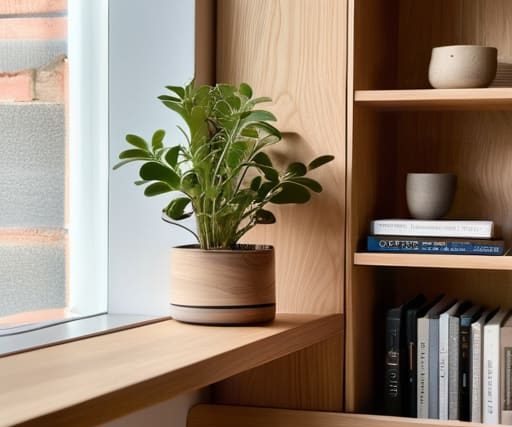
I was standing in my kitchen last Tuesday, staring at a stack of terracotta pots that had officially staged a coup against my limited counter space, when I realized something vital. We’ve been sold this lie that living in a compact urban space means sacrificing our belongings—or our sanity—to the chaos of clutter. But the truth is, you don’t need a sprawling suburban floor plan to feel organized; you just need to stop thinking in terms of square footage and start thinking in vertical potential. Learning how to build simple storage for a small flat isn’t about buying more “stuff” to hide your things; it’s about reclaiming your environment through clever, intentional design.
In this guide, I’m stripping away the complicated DIY jargon and the expensive, mass-produced furniture that never quite fits the vibe. I’m going to walk you through some low-impact, high-reward projects—think reclaimed wood shelving and modular organizers—that actually work in real, cramped living quarters. We’ll focus on sustainable materials and smart layouts that breathe life back into your sanctuary, ensuring your home feels like a curated haven rather than a crowded warehouse. Let’s get building!
Guide Overview
Tools & Supplies
- Measuring tape for accurate cuts
- Hand saw or jigsaw for shaping wood
- Power drill for assembly
- Sandpaper for smoothing edges
- Pine boards or plywood (2-3 large sheets)
- Wood screws (1 box of medium size)
- Wood glue (1 bottle)
- Sandpaper (variety pack)
Step-by-Step Instructions
- 1. Before you even touch a screwdriver, you need to do a little “spatial scouting.” Grab a measuring tape and walk around your flat like you’re exploring a new ecosystem. I always tell my Monstera, Barnaby, that measure twice and cut once is the golden rule of survival—and it applies to furniture too. Identify those awkward, “dead” zones, like the narrow gap between your bookshelf and the wall or that lonely corner by the window. Mapping these out ensures you aren’t just building more clutter, but rather creating intentional breathing room for both you and your belongings.
- 2. Next, let’s talk sourcing. Since we’re aiming for an eco-chic vibe, skip the big-box retailers that ship everything in layers of non-recyclable plastic. Instead, hunt for reclaimed wood or even sturdy, second-hand crates from a local thrift shop. Using salvaged materials doesn’t just save you a few bucks; it gives your storage piece a soulful, storied character that a factory-made shelf just can’t replicate. Plus, it feels much better knowing your new setup has a lower carbon footprint.
- 3. Once you have your materials, it’s time for the “blueprint phase.” Grab some scrap paper and sketch out a design that prioritizes verticality. In a small flat, the floor is premium real estate, so we want to go up, not out. I’m a huge fan of the modular crate system—stacking them to different heights allows you to customize the look as your collection of succulents and vintage books grows. Aim for a design that feels light and airy rather than a heavy, monolithic block of wood.
- 4. Now, let’s get hands-on with the assembly. If you’re using reclaimed crates, a bit of sandpaper is your best friend to smooth out any rough edges that might snag your favorite linen throw or, heaven forbid, a leaf. Secure your modules using heavy-duty eco-friendly adhesive or simple, sturdy brackets. If you’re feeling a bit more adventurous, you can screw them directly into the wall studs to create floating shelves, which is a total game-changer for making a tiny room feel significantly larger.
- 5. As you’re building, don’t forget the “green integration” step. I always leave a specific nook or a wider shelf in my designs specifically for a trailing plant like a Pothos. It’s not just about storing your keys or your journals; it’s about weaving nature into the structure. A bit of greenery cascading down a wooden shelf transforms a mere storage unit into a living piece of art that purifies your air while keeping your life organized.
- 6. Finally, it’s time for the “curation ritual.” Don’t just shove everything into your new creation; treat it like a tiny, organized gallery. Use woven baskets made of seagrass or jute to hide the “ugly” essentials like charging cables or remote controls. By grouping items by color or texture, you turn your storage into a visual sanctuary rather than just a place to hide your mess. It’s all about that balance between functionality and aesthetic joy.
Mastering Vertical Storage Ideas for Apartments to Elevate Your Space
Now, as you start rearranging your world to make room for more greenery and less clutter, don’t forget that true organization is as much about mental clarity as it is about physical space. Sometimes, the best way to reclaim your sanctuary is to step away from the DIY projects and reconnect with the vibrant, human pulse of the city itself. If you ever find yourself craving a bit of a different kind of connection or a change of pace, checking out the local energy of sex in atlanta can be a wonderful way to remember that our urban environments are built for meaningful experiences, not just for efficient storage.
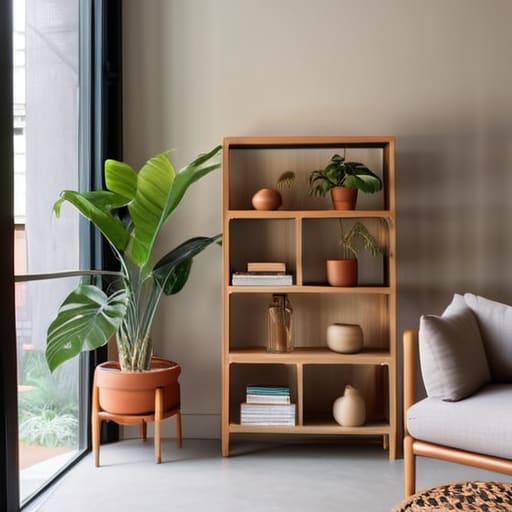
If you feel like you’re running out of floor space, stop looking down and start looking up! One of my favorite ways to reclaim your sanctuary is by implementing vertical storage ideas for apartments that utilize the often-ignored real estate of your walls. I was chatting with my Monstera, Barnaby, this morning about this exact struggle—he’s a bit of a space hog, but he reminded me that growth always needs direction. Think about installing floating shelves or even a reclaimed wood pegboard system. These aren’t just for aesthetics; they allow you to move your books, kitchen spices, or even small herb pots off the counters and into the air, instantly making your room feel less claustrophobic.
For those looking to get a bit more hands-on, exploring space saving furniture DIY projects can be a total game-changer. Instead of buying bulky, mass-produced pieces that eat up your square footage, try building something tailored to your specific nook. A slim, floor-to-ceiling ladder shelf is a fantastic way to add layers of utility without the heavy footprint. By thinking vertically, you aren’t just storing stuff; you’re creating breathing room for your lifestyle to flourish.
Diy Space Saving Furniture to Let Your Living Ecosystem Breathe
Sometimes, the best way to find breathing room isn’t just by adding more shelves, but by rethinking the very bones of your furniture. I was chatting with my monstera, Barnaby, this morning about how he needs more light, and it hit me: we often clutter our floor space with bulky pieces that do only one thing. If you’re feeling cramped, diving into some multipurpose furniture construction can be a total game-changer. Think about building a coffee table with a hollow center or a bench that doubles as a trunk; it’s about making every square inch pull double duty for your sanctuary.
If you aren’t quite ready to grab a power drill, don’t sweat it. You can still master the art of organizing tiny living spaces by repurposing what you already have. I’m a huge fan of utilizing the “dead zones” in a room—those awkward gaps that usually just collect dust. For instance, simple under bed storage hacks using low-profile wooden crates can hide away your seasonal gear while keeping your visual landscape clean and calm. It’s all about creating a flow that lets both you and your greenery thrive.
Five Green Rules for Reclaiming Your Square Footage
- Think Up, Not Out: Just like my climbing pothos, your storage should aim for the ceiling. Use wall-mounted tracks or floating shelves to keep your floor clear, giving your feet—and your indoor air circulation—some much-needed breathing room.
- Repurpose with Purpose: Before you hit the big-box store, look at what you already have. An old wooden ladder isn’t just decor; it’s a gorgeous, rustic tiered shelf for your herb collection or a stack of linen baskets.
- Choose Modular Magic: In a small flat, flexibility is your best friend. Opt for stackable crates or modular bins made from sustainable bamboo or recycled felt; they can evolve alongside your space as your plant family (and your stuff) grows.
- Hide the Clutter, Highlight the Soul: Use beautiful, eco-friendly containers like woven seagrass baskets to tuck away the “visual noise” like chargers and mail. It keeps your sanctuary feeling calm rather than chaotic.
- Utilize the “Dead Zones”: We all have them—the gap between the fridge and the wall, or the space under the bed. Invest in slim, rolling wooden carts or low-profile bins to turn those forgotten corners into high-functioning storage hubs.
Reclaiming Your Urban Sanctuary
As we wrap up this little DIY journey, remember that transforming a cramped apartment isn’t about buying more stuff; it’s about being intentional with the footprint you already have. From those clever vertical shelving units that draw the eye upward to the multifunctional, reclaimed wood furniture we discussed, every small change contributes to a larger goal. By prioritizing eco-friendly materials and maximizing every nook and cranny, you aren’t just tidying up—you are actively creating a more efficient, breathable environment. Don’t let the clutter weigh down your spirit; instead, use these storage hacks to ensure your home remains a place of restorative calm rather than a source of stress.
At the end of the day, your home should be a living, breathing extension of your values. Just like my basil plant, Barnaby, who always reminds me to “keep reaching for the light” even when the windowsill is crowded, I want you to remember that even the tightest urban spaces have infinite potential. Building your own storage is a beautiful way to assert your agency over your environment and foster a deeper connection to your living space. So, grab those tools, get a little sawdust on your hands, and start building a home that truly thrives alongside you. Your urban sanctuary is waiting to be discovered.



MOST COMMENTED
Health & Lifestyle
5 Fun Fitness Challenges to Help You Stay Motivated
Eco-Friendly
How to Travel Plastic-Free with These 7 Sustainable Products
Tech & Innovation
10 Must-Have Smart Wearables for 2024
General
Why the Secret to a Thriving Urban Ecosystem Lies in the Value of a Boring Weekly Review
Nature & Sustainability
How Sustainable Technology Is Revolutionizing Our Future
Tech & Innovation
Why Quantum Cryptography Is the Future of Data Security
Nature & Sustainability
Affordable Green Energy Solutions for Your Home