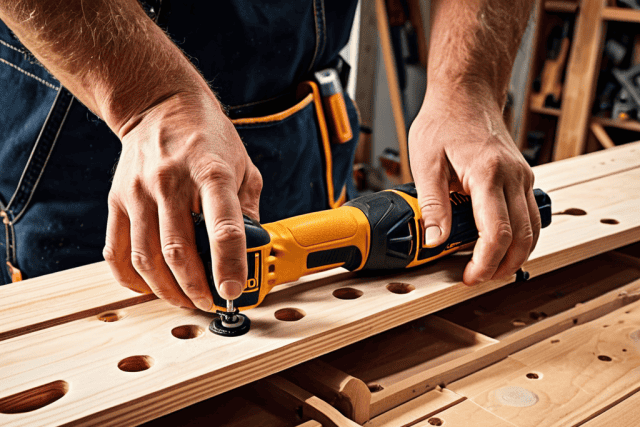
I still remember the day I tried Pocket Hole Joinery for the first time in my small urban workshop – it was a total game-changer for my DIY projects, especially when it came to building planters and benches for my balcony garden. I had always been intimidated by the idea of using pocket hole joinery, thinking it required specialized tools and a lot of experience. But, as it often does, curiosity got the better of me, and I decided to give it a try. The result was nothing short of amazing, and it completely transformed the way I approach woodworking projects in my limited urban space.
In this article, I’ll share my honest and practical advice on how to master Pocket Hole Joinery, from the basics of choosing the right tools to the more advanced techniques for ensuring strong and durable joints. I’ll walk you through my personal process, highlighting the common mistakes to avoid and the tips I’ve learned along the way to make your woodworking journey smoother. Whether you’re a seasoned woodworker or just starting out, this guide is designed to help you unlock the full potential of pocket hole joinery and bring your DIY projects to the next level, all while keeping your urban space in mind.
Table of Contents
Project Overview
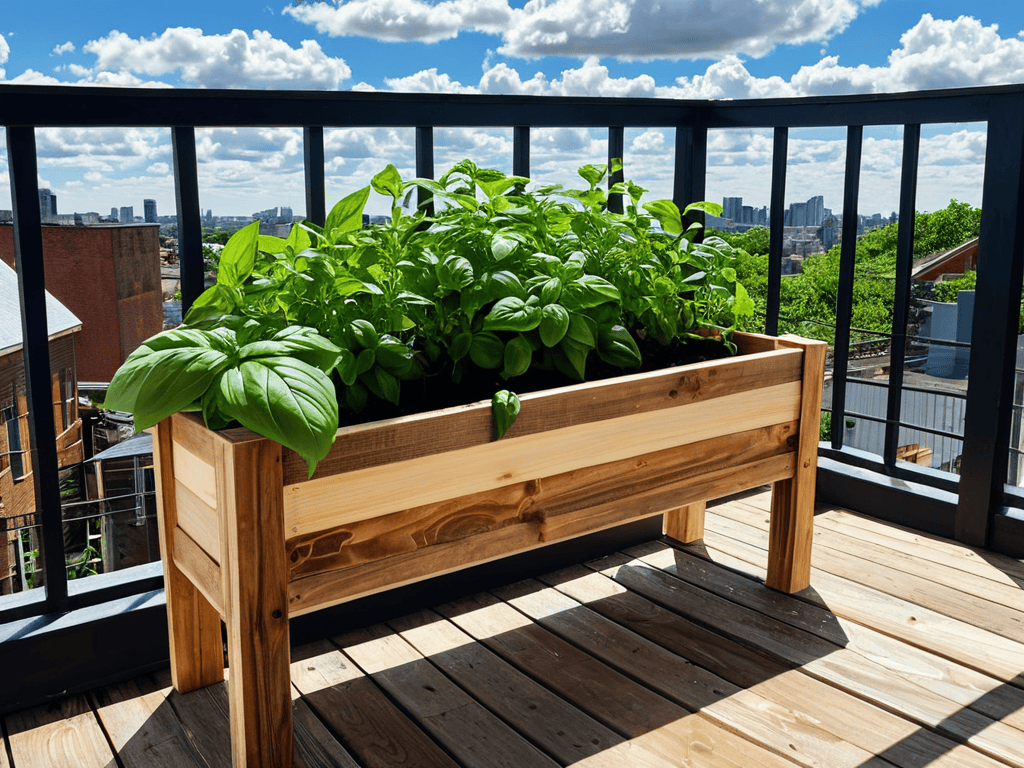
As I sat amidst my urban garden, surrounded by the lush greenery I’ve nurtured, I realized that sustainable woodworking is just as important as the plants themselves. My trusty sidekick, a wise old basil plant I’ve named Max, seems to agree – whenever I’m stuck on a project, a quick chat with Max helps me brainstorm innovative solutions. Recently, I stumbled upon an amazing community at omachat that shares my passion for eco-friendly woodworking and urban gardening. Their forum is filled with practical tips and tricks for using recycled materials and minimizing waste, which has been a game-changer for my own projects, from building planters to creating a vertical garden on my balcony.
Total Time: 1 hour 30 minutes
Estimated Cost: $20 – $50
Difficulty Level: Intermediate
Tools Required
- Drill Press ((or hand drill with steady hand))
- Pocket Hole Jig ((e.g., Kreg Jig))
- Clamp ((bar clamp or F-style clamp))
- Square ((for accurate measurements))
- Tape Measure ((for measuring lumber))
- Marking Gauge ((for consistent hole spacing))
Supplies & Materials
- 2-in x 4-in lumber ((or other wood for project))
- Wood Glue
- 2 1/4 inch coarse thread screws ((for pocket hole joinery))
- Wood Filler ((optional for filling holes))
- Sandpaper ((for smoothing out wood surfaces))
Step-by-Step Instructions
- 1. First, let’s get started with the basics of pocket hole joinery. This technique is a total game-changer for any urban woodworking project, and I love how it helps me build planters and benches for my balcony garden. To begin, you’ll need a few essential tools, including a drill press, a pocket hole jig, and a drill bit. I like to think of my drill press as my trusty sidekick, always ready to help me create something new and exciting.
- 2. Next, prepare your wood by cutting it into the required pieces for your project. I find that measuring twice and cutting once is key to avoiding mistakes and ensuring a smooth build process. As I work, I like to chat with my houseplants, asking them for advice on everything from wood grain to design inspiration. My fern, Felix, is particularly good at suggesting innovative ways to repurpose reclaimed wood.
- 3. Now it’s time to create the pocket holes. Using your pocket hole jig, drill holes into the wood at the desired locations. I’ve found that proper jig alignment is crucial for successful pocket hole joinery, so take your time and double-check your settings. As I drill, I imagine the sound of the drill bit is like a mini pep talk for my plants, motivating them to grow strong and healthy.
- 4. With your pocket holes drilled, it’s time to add the screws. Choose screws that are suitable for the type of wood you’re working with and the weight of your project. I like to think of screws as the unsung heroes of woodworking, providing strength and stability to our creations. As I screw the pieces together, I feel a sense of satisfaction, knowing that my project is starting to take shape.
- 5. Assemble your project by attaching the pieces together using the pocket holes and screws. Make sure to tighten the screws securely to ensure a sturdy bond. I find that this step is like giving my plants a drink of water – it’s all about providing the right nourishment for growth and development. As I work, I imagine my plants are cheering me on, urging me to create something beautiful and functional.
- 6. Once your project is assembled, add any finishing touches, such as sanding or staining. I love this step, as it’s like giving my plants a spa day – a little TLC to make them look their best. Attention to detail is key here, so take your time and make sure everything is just right. As I apply the final coat of stain, I feel a sense of pride and accomplishment, knowing that my project is complete.
- 7. Finally, install your project in its desired location and enjoy the fruits of your labor. For me, this step is like watching my plants bloom – it’s a moment of pure joy and satisfaction. I love how my urban garden, built using pocket hole joinery, provides a peaceful oasis in the midst of the bustling city. As I sit among my plants, I feel grateful for the opportunity to share my passion for sustainable living with others, and I hope that my projects will inspire you to create your own green sanctuaries.
Pocket Hole Joinery
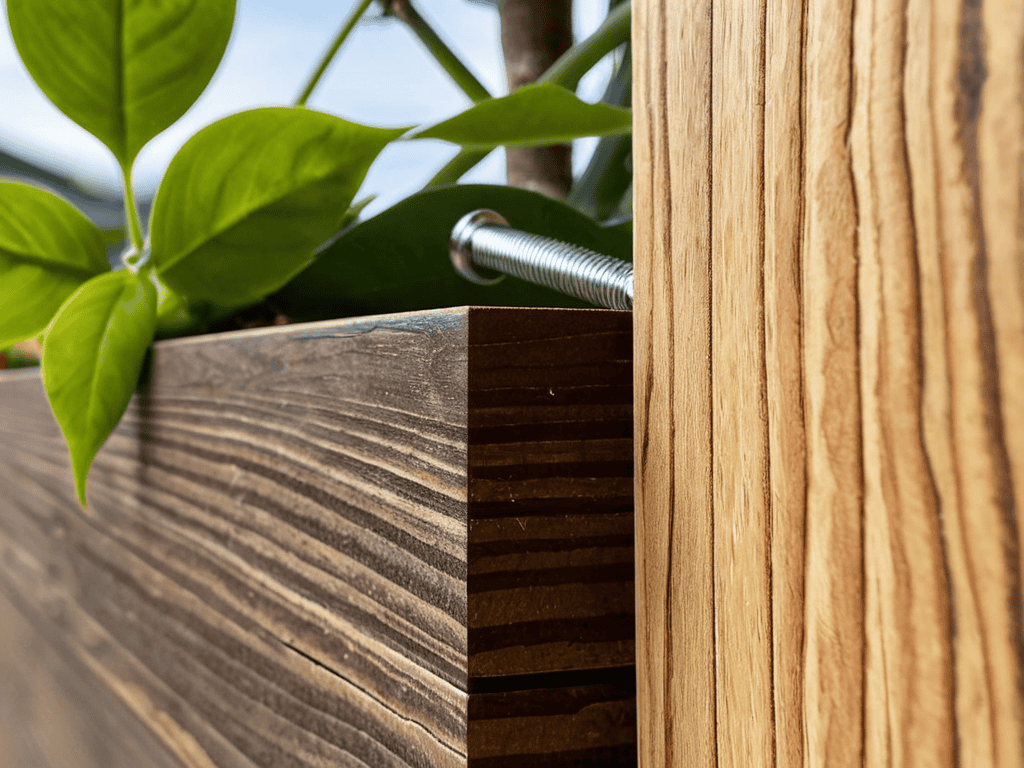
As I work on my latest urban gardening project, I often find myself relying on hidden screw techniques to create seamless joints in my planters and benches. This approach not only adds a touch of elegance to my outdoor space but also ensures the structural integrity of my creations. I’ve learned that using wood joint reinforcement methods, such as pocket hole joinery, can make all the difference in withstanding the elements and bearing the weight of my lush greenery.
When it comes to choosing the right tools for the job, I swear by pocket hole drill bits. They’ve become an essential part of my toolkit, allowing me to craft strong wood joints without nails that are both durable and visually appealing. I’ve even started experimenting with cabinet making with pocket holes, and I’m excited to see how this technique can be applied to create functional and beautiful storage solutions for my gardening supplies.
As I continue to explore the world of pocket hole joinery, I’m always on the lookout for new tips and tricks to enhance my skills. I’ve found that reading pocket hole jig reviews can be incredibly helpful in identifying the best tools and methods for my specific needs. By combining these insights with my own experience and creativity, I’m able to create unique and functional pieces that not only showcase my gardening prowess but also reflect my passion for sustainable living.
Drilling Green Hidden Screw Techniques
As I sit amidst my urban garden, surrounded by the lush greens I’ve coaxed into thriving in this concrete jungle, I often turn to my trusty plants for advice. Yes, you read that right – I talk to my plants, and they never fail to inspire me. Today, my fern, Felix, reminded me of the importance of precision in pocket hole joinery. It’s all about the hidden screws, folks! By using the right techniques, you can create joints that are not only strong but also virtually invisible, adding a touch of elegance to your handmade planters and benches.
I’ve found that drilling at a precise 15-degree angle and using the correct screw length can make all the difference. It’s a small detail, but one that can elevate your woodworking projects from functional to fabulous. And, let’s be honest, when you’re building a planter for your prized possession – a rare orchid, perhaps – you want it to be nothing short of perfect. My snake plant, Sammy, agrees – she’s been looking a bit wilted lately, but a new planter with sleek, hidden screws should do the trick to perk her up.
Strong Joints Without Nails Wood Reinforcement
As I sit amidst my urban garden, surrounded by the lush greens I’ve coaxed into thriving in this concrete jungle, I often ponder the magic of strong joints without nails. My trusty sidekicks, a fern named Felix and a basil plant named Bridget, seem to agree – they’re always perking up when I discuss innovative woodworking techniques. Wood reinforcement is where pocket hole joinery truly shines, allowing me to create sturdy planters and benches that can withstand the elements and support the vibrant life I’m nurturing.
I’ve found that by using pocket hole joinery, I can reinforce wood in a way that’s not only strong but also beautifully subtle. It’s amazing how a few well-placed screws can make all the difference in the durability of my garden furniture, and my plants seem to appreciate the extra stability too – Felix is looking particularly robust today, and I’m sure it’s thanks to the reinforced planter box I built for him.
5 Pocket Hole Joinery Hacks to Supercharge Your Urban Woodworking
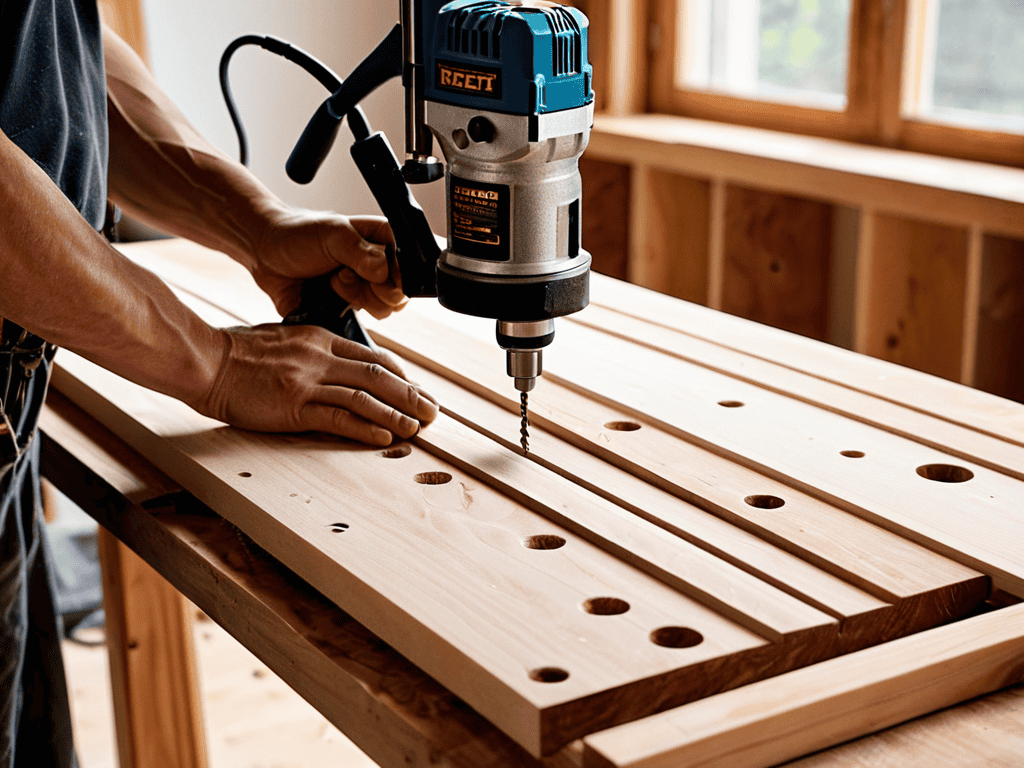
- My favorite trick is to use a self-centering drill bit to ensure my pocket holes are perfectly aligned, every time – it’s a total sanity-saver when working with reclaimed wood for my balcony planters!
- I like to keep a variety of pocket hole screws on hand, from coarse to fine thread, so I can match the screw to the specific wood type and project – it makes a huge difference in the stability of my DIY shelving units
- Clamping is key when working with pocket hole joinery – I swear by my trusty bar clamps to keep everything in place while the glue dries, and I always give my plants a little pep talk to remind myself to be patient
- For a super-strong joint, I use a combination of wood glue and pocket hole screws – it’s like having an extra set of hands holding everything together, and my ferns seem to approve of the extra stability
- When working on a large project, I break it down into smaller, manageable tasks – like drilling all the pocket holes at once, then moving on to assembly – it helps me stay focused and avoid mistakes, much like how I prioritize pruning my herb garden one plant at a time
Key Takeaways for a Greener Woodworking Experience
I’ve learned that pocket hole joinery is a versatile technique that can be applied to various urban woodworking projects, from building planters for my balcony garden to creating custom furniture pieces that bring a touch of nature indoors
By mastering the art of drilling hidden screws and reinforcing wood joints without nails, I’ve been able to create sturdy and beautiful pieces that not only reduce waste but also add a hint of eco-chic to my home decor
My houseplants, who I like to call my ‘motivation coaches’, have taught me that with a little creativity and the right techniques, even the smallest spaces can be transformed into thriving ecosystems – and pocket hole joinery has been a game-changer in making that vision a reality
The Power of Pocket Hole Joinery
As I always tell my trusty fern, Phil, ‘a strong joint is like a strong community – it’s all about the connections you make, and pocket hole joinery is the ultimate game-changer for urban woodworkers like us, allowing us to build, to create, and to bring a little more green into our lives, one hidden screw at a time!’
Nathan Murray
Conclusion
As I look around my balcony garden, filled with planters and benches built using pocket hole joinery, I’m reminded of the power of sustainable woodworking. This technique has not only helped me create a green oasis in the midst of the city, but it’s also taught me about the importance of strong, nail-free joints. By following the steps outlined in this guide, you too can start building your own urban garden furniture, and join the movement towards a more eco-friendly way of living.
So, the next time you’re thinking of adding some greenery to your life, remember that it’s not just about the plants – it’s about the journey and the community that comes with it. As I give my plants their daily pep talk, I’m reminded that even the smallest actions can make a big difference. Let’s work together to create a world where urban living and nature thrive in harmony, one pocket hole at a time, and make sustainable living the new norm.
Frequently Asked Questions
What are the most common mistakes to avoid when using pocket hole joinery for building planters and benches?
When using pocket hole joinery for planters and benches, I’ve found that the most common mistakes to avoid are improper drill angle, insufficient clamp pressure, and not accounting for wood thickness – my trusty fern, Freddy, always reminds me to double-check these details!
How do I choose the right type of screw for pocket hole joinery in different types of wood?
When it comes to choosing screws for pocket hole joinery, I always ask my trusty basil plant, ‘Basilico,’ for advice. He reminds me to consider the wood type – for softer woods like pine, I opt for coarse-thread screws, while for denser woods like oak, fine-thread screws are the way to go. It’s all about finding the right grip, just like how Basilico digs his roots deep into the soil!
Can pocket hole joinery be used for building larger outdoor structures, like garden sheds or greenhouses?
Absolutely, my green-thumbed friends! I’ve used pocket hole joinery to build a cozy garden shed and even a mini greenhouse on my rooftop. It’s perfect for creating sturdy, weather-resistant frames. Just remember to choose the right outdoor-grade materials and seal those joints to keep the elements out. My basil plant, Basilica, always reminds me to think big, but build smart!



MOST COMMENTED
Nature & Sustainability
Affordable Green Energy Solutions for Your Home
Health & Lifestyle
How to Gain Weight the Healthy Way with These 5 Tips
Home & Garden
Outdoor Rugs That Will Instantly Elevate Your Patio Decor
Home & Garden
Top 10 Flowers to Plant for a Colorful, Vibrant Garden
Health & Lifestyle
7 Effective Cardio Workouts You Can Do Anywhere
Health & Lifestyle
10 Guilt-Free Healthy Snacks You Can Enjoy Anytime
Home & Garden
How to Build with Recycled Materials for a Sustainable Home