
Did you know the edge computing market is expected to hit USD 18.36 billion by 2027? It’s growing at a whopping 37.9% CAGR. This shows how fast businesses are seeing the importance of edge computing for better performance and speed.
Cloud Computing lets companies use lots of computing power over the internet. It’s all about flexibility and growth. On the other hand, Edge Computing works by processing data right where it’s needed. This makes things run smoother and works well with the cloud, leading to a hybrid approach.
In this article, we’ll dive into what each technology does, how they’re used, and their benefits. This will help you figure out which one is best for you.
Key Takeaways
- Edge Computing is set to grow significantly, reaching USD 18.36 billion by 2027.
- 75% of enterprise data processing is expected to occur at the edge by 2025.
- Cloud Computing remains critical to 83% of firms for future strategy.
- Organizations are increasingly looking at edge as part of a hybrid cloud architecture.
- By 2024, a quarter of organizations will combine edge data with cloud applications.
Understanding Cloud Computing
Exploring Cloud Computing, we see its key parts and role today. It’s a way to use IT over the internet, growing and changing as needed. This lets businesses use resources when they need them, efficiently.
What Is Cloud Computing?
Cloud Computing means using the internet to get computing services like servers and storage. It lets users access apps and data from anywhere. This change from old ways to cloud systems changes how companies use IT.
How Cloud Computing Works
Cloud Computing uses many remote servers to store and manage data. These servers work together to give users access to apps. This way, users only pay for what they use, making it cost-effective.
Cloud services like IaaS, PaaS, SaaS, and FaaS help businesses work better. They make data backup easy and affordable, keeping data safe and ready to use.
Benefits of Cloud Computing
Cloud Computing has many benefits for companies. It lets them quickly change their resources to meet needs. This flexibility means apps can be set up fast, helping businesses move quickly.
It also saves money upfront and offers flexible pricing. Cloud services make managing data easier, helping keep information safe with strong security.
Challenges Associated with Cloud Computing
Cloud Computing has its downsides too. One big issue is relying on the internet; without it, access to data and apps can be lost. Also, keeping data safe is a big worry, as it’s stored in one place.
Companies must use strong security, like encryption and multi-factor authentication, to protect their cloud data.
What Is Edge Computing?
Edge Computing is a new way to process data closer to where it’s created. It’s key for the Internet of Things (IoT) devices. It makes data processing faster and helps make better decisions.
Definition and Purpose of Edge Computing
Edge Computing means processing data locally. This cuts down on delays and uses bandwidth better. It’s very important in fields where quick data transfer is needed.
By keeping data closer to its source, Edge Computing makes operations more efficient. It also improves how users experience services.
How Edge Computing Functions
Edge Computing works by analyzing data near its source. This reduces delays and enables quick decision-making. It’s also useful in areas with poor internet, like oil fields.
The technology keeps sensitive data safe during transmission. This ensures data security and helps companies keep their data under control.
Benefits of Edge Computing
Edge Computing offers many benefits. It reduces latency for applications like AI in retail and healthcare. This means faster and more accurate data analysis.
It also helps companies save money by using bandwidth better. This boosts productivity and ensures reliable service, even in areas with limited internet.
By 2025, most enterprise data will come from outside data centers. This makes Edge Computing a vital part of future business plans.
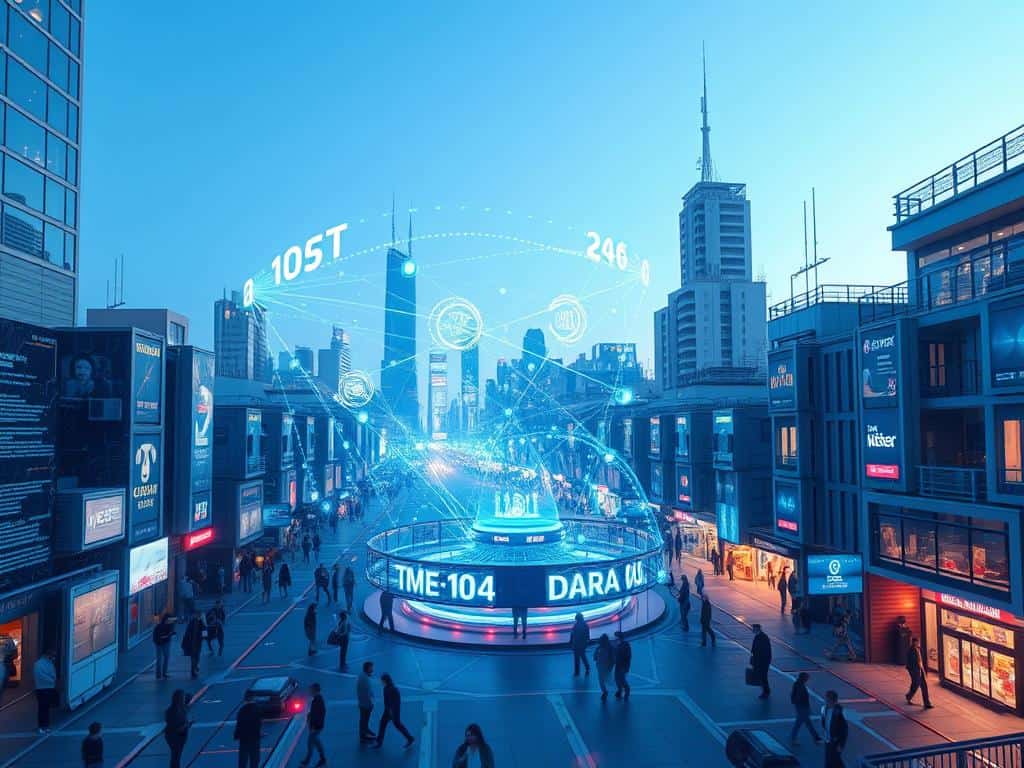
Comparing Edge Computing and Cloud Computing
It’s important to know the differences between Edge Computing and Cloud Computing. They have unique features that fit different needs. The main differences are in how fast data is processed, where data is processed, and if the internet is needed.
Key Differences between Edge and Cloud Computing
One big difference is latency. Edge Computing works fast by processing data near the source. This is key for things like medical robots that need quick actions. Cloud Computing sends data to servers, which can slow things down.
Using a hybrid architecture can help. It combines the quick processing of Edge Computing with the big storage of Cloud Computing. This way, important tasks are fast, and less urgent tasks use cloud resources.
Use Cases for Each Technology
Edge Computing is great for fast data needs, like in self-driving cars and industrial IoT. It works well with IoT devices to process data quickly. Cloud Computing is better for big data tasks, like video editing and storing lots of data. It’s also cheaper for big tasks.
More companies are using both Edge and Cloud Computing. They see the value in fast data processing and big storage. Knowing the differences helps them plan better, making sure they use resources well.
Conclusion
Understanding the connection between Edge Computing and Cloud Computing is key in today’s fast-changing digital world. I’ve shown how these technologies work together to improve data processing. Edge Computing is great for quick tasks, like in self-driving cars and virtual reality. Cloud Computing, on the other hand, is perfect for handling big data needs.
Companies need a solid plan that uses both Edge and Cloud Computing to get the most out of them. Edge Computing helps keep data safe and saves money by reducing the need for long-distance data transfers. Cloud Computing, with its vast resources, is essential for complex data analysis and storage.
In the end, as more sectors like healthcare and retail use these technologies, the mix of Edge and Cloud Computing will be vital. It helps businesses stay ahead and work more efficiently. I urge leaders to think about how to use both strategies well. This way, they can improve performance in a world that’s getting more complex every day.



MOST COMMENTED
Nature & Sustainability
Affordable Green Energy Solutions for Your Home
Health & Lifestyle
How to Gain Weight the Healthy Way with These 5 Tips
Home & Garden
Outdoor Rugs That Will Instantly Elevate Your Patio Decor
Home & Garden
Top 10 Flowers to Plant for a Colorful, Vibrant Garden
Health & Lifestyle
7 Effective Cardio Workouts You Can Do Anywhere
Health & Lifestyle
10 Guilt-Free Healthy Snacks You Can Enjoy Anytime
Home & Garden
How to Build with Recycled Materials for a Sustainable Home