
I was sitting on my balcony last Tuesday, trying to convince my slightly dramatic basil plant that a little extra nitrogen wouldn’t kill it, when it hit me: why is building a social circle treated like some high-stakes, expensive networking event? We’ve been sold this myth that finding community requires joining elite clubs or paying for curated “social experiences” that feel more like a job interview than a connection. It’s a total exhaustion trap. The truth about how people make new friends as adults is much more organic—and frankly, much more low-maintenance—than the influencers want you to believe.
I’m not here to give you a list of superficial icebreakers or suggest you overhaul your entire personality to fit in. Instead, I want to share how we can apply the same principles of intentional cultivation that I use in my urban garden to our own lives. We’re going to look at how to identify your natural “growing zones,” how to nurture small interactions into something sturdier, and how to build a resilient social ecosystem right in the middle of the concrete jungle. No hype, just practical, grounded strategies for real connection.
Finding Community in a New City Through Shared Growth
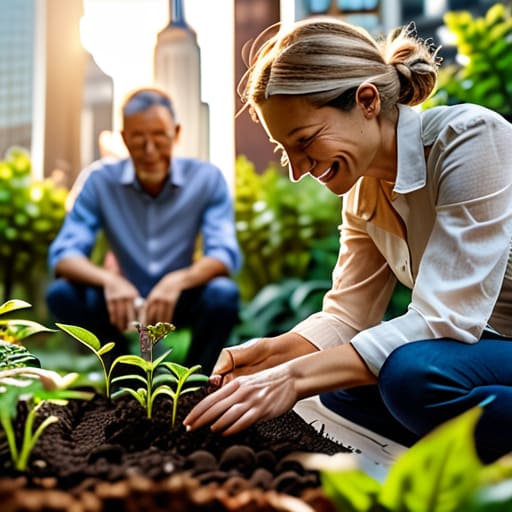
Moving to a new skyline can feel a lot like transplanting a finicky fern; suddenly, the soil is different, the light is unfamiliar, and you’re just hoping your roots can take hold. When you’re finding community in a new city, the sheer scale of the concrete can feel isolating. I’ve found that the best way to break through that initial frost is to seek out “micro-climates”—small, niche groups centered around shared passions. Whether it’s a community garden plot or a specialized urban sketching group, these spaces act as fertile ground where the ice naturally melts because you’re all focused on a common goal rather than the pressure of forced small talk.
For many of us, especially when we’re building meaningful connections after 30, the stakes feel higher and the social exhaustion is real. I often tell my Monstera, Barnaby, that you can’t force a bloom; you just have to provide the right conditions. The same goes for your social life. Instead of aiming for a massive network, focus on consistent, low-pressure interactions. Joining a local workshop or a weekend hiking club allows you to build rapport organically, turning strangers into familiar faces one shared experience at a time.
Overcoming Social Anxiety in Adulthood to Let Your Spirit Bloom
I’ll be honest with you: sometimes, even when I’m surrounded by the buzz of a community garden, I feel that familiar, tightening knot in my chest. It’s that internal resistance that makes me want to retreat into my apartment and just talk to my basil plants instead. But I’ve realized that overcoming social anxiety in adulthood isn’t about suddenly becoming the life of the party; it’s more like preparing soil. You don’t just throw seeds onto hard, packed clay and expect a harvest. You have to gently aerate the ground, create some breathing room, and be patient with the process.
If the thought of a crowded mixer feels overwhelming, try leaning into social hobbies for adults that provide a natural buffer—like a pottery class or a local hiking group. Having a shared task or a common focus acts like a trellis for a climbing vine; it gives you something to hold onto while you slowly find your footing. Remember, even the most resilient urban perennials had to push through a little bit of heavy soil to reach the light. You aren’t failing; you’re just in your rooting phase.
Nurturing Your Social Soil: 5 Ways to Help New Friendships Take Root
- Join a “Micro-Community” with a Shared Purpose. Just like I joined a local community garden to learn about heirloom tomatoes, you should look for groups centered around a specific passion—be it a run club, a pottery workshop, or a sustainable cooking class. When you’re focused on a shared task, the conversation flows much more naturally than it does in the high-pressure environment of a networking mixer.
- Practice the Art of “Consistent Watering.” You can’t just plant a seed and walk away; friendship requires regular, gentle attention. Instead of waiting for the “perfect” moment to reach out, send a quick text or suggest a low-stakes coffee date. Consistency builds the familiarity needed for a connection to move from a mere acquaintance to something more substantial.
- Embrace the “Pruning” Process. Not every connection is meant to become a massive oak tree, and that’s okay! Some people are more like seasonal flowers—they bring beauty and joy to your life for a specific period. Don’t get discouraged if a new acquaintance doesn’t turn into a lifelong best friend; focus your energy on the connections that truly nourish your personal ecosystem.
- Show Up in the Same “Micro-Climates.” Repetition is key to social growth. Whether it’s the same Tuesday yoga class or the same Saturday morning farmer’s market, being a regular in a specific space increases your “surface area” for spontaneous interactions. Familiarity breeds comfort, and comfort is the sunlight that allows social bonds to grow.
- Be the “Pollinator” in the Room. Don’t wait for someone else to initiate the connection. If you see someone else standing solo at a community event, be the one to bridge the gap. A little bit of proactive energy—much like a bee moving from flower to flower—can spark unexpected and wonderful social networks that you never could have cultivated on your own.
Cultivating Your Social Landscape
At the end of the day, building a social circle as an adult is a lot like starting a community garden in a tiny urban lot; it requires patience, a bit of grit, and the willingness to get your hands dirty. We’ve talked about finding your tribe through shared passions, moving past the internal weeds of social anxiety, and recognizing that even the smallest interaction can be a seed worth planting. Remember, you don’t need a massive, sprawling meadow of connections all at once. It’s about nurturing the right environments and showing up consistently, whether that’s at a local workshop or a neighborhood meetup. Just like I tell my basil plant when it’s looking a little wilted, sometimes you just need a little more light and a lot of consistent care to truly thrive.
As you step back out into the concrete jungle, don’t view the search for connection as a chore, but as an opportunity to expand your own personal ecosystem. The city can feel vast and isolating, but every person you meet is a potential new sprout in your life’s landscape. Be kind to yourself during the “dormant” seasons when things feel slow, and keep reaching out. If you stay intentional and keep your heart open, you’ll find that your social world doesn’t just grow—it blooms into something breathtakingly resilient. Now, if you’ll excuse me, I have a very important pep talk scheduled with my monstera.
Sometimes, the hardest part of expanding your social ecosystem isn’t finding the people, but finding the right niche where you can truly be yourself without any pretense. I often tell my basil plant that you can’t force a bloom before the soil is ready, and the same applies to our social lives; you need a space that feels safe and welcoming to start those initial conversations. If you’re looking for a low-pressure way to practice your social muscles or simply want to connect with diverse perspectives in a digital setting, exploring a Shemaleaustralia chat can be a fantastic way to build confidence and find meaningful dialogue before you take those steps into the physical world. It’s all about finding those small, supportive pockets of community that help your personal growth truly take root.



MOST COMMENTED
Health & Lifestyle
5 Fun Fitness Challenges to Help You Stay Motivated
Eco-Friendly
How to Travel Plastic-Free with These 7 Sustainable Products
Tech & Innovation
10 Must-Have Smart Wearables for 2024
General
Why the Secret to a Thriving Urban Ecosystem Lies in the Value of a Boring Weekly Review
Nature & Sustainability
How Sustainable Technology Is Revolutionizing Our Future
Tech & Innovation
Why Quantum Cryptography Is the Future of Data Security
Nature & Sustainability
Affordable Green Energy Solutions for Your Home