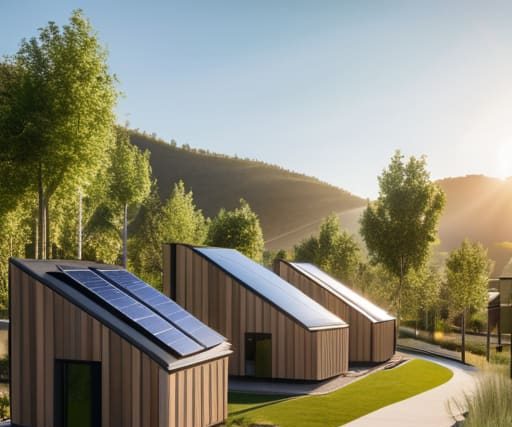
I was mid-sentence, giving my slightly dramatic basil plant, Barnaby, a much-needed pep talk about photosynthesis, when the lights flickered and died for the third time this month. As I sat there in the sudden, heavy silence of my apartment, I realized how absurd it is that we’ve been taught to view our energy as something we just rent from a massive, fragile, and increasingly unreliable system. We’re told that being “green” means waiting for the big guys to decide when we get power, but I’m over the myth that we’re helpless bystanders. It’s time we stop being passive consumers and start talking about Micro-Grid Energy Sovereignty—the radical, practical idea that our urban neighborhoods can actually own their own power.
I’m not here to sell you some high-priced, futuristic fantasy that requires a PhD and a massive inheritance to pull off. Instead, I want to walk you through the real-world mechanics of how we can reclaim our autonomy, from community solar cooperatives to localized battery storage. I promise to strip away the technical jargon and give you the honest, boots-on-the-ground insights you need to understand how we can turn our concrete jungles into resilient, self-sustaining ecosystems.
Table of Contents
- Building Renewable Energy Independence in the Concrete Jungle
- Securing Our Future With Distributed Energy Resources
- Five Ways to Start Your Own Energy Revolution (Without Tearing Up Your Floorboards)
- The Green Blueprint: My Top Three Takeaways
- Reclaiming the Current
- Reclaiming Our Spark
- Frequently Asked Questions
Building Renewable Energy Independence in the Concrete Jungle
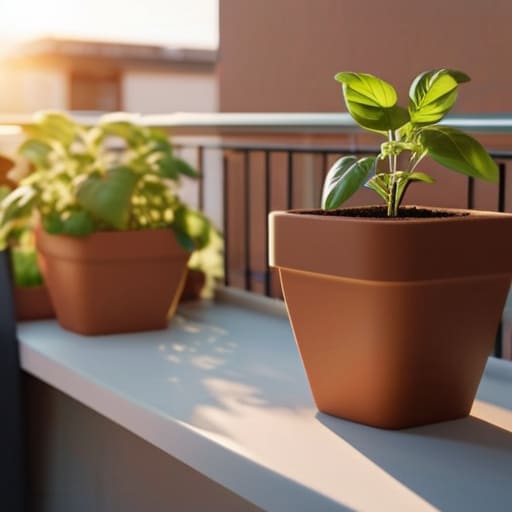
So, how do we actually pull this off without needing a massive plot of land or a PhD in electrical engineering? It starts with shifting our mindset from being passive consumers to becoming active producers. Instead of just pulling power from a distant, aging plant, we can leverage decentralized energy systems right where we live. Think about your apartment balcony or that neglected rooftop patch; those aren’t just spots for a few herbs (though my basil, Barnaby, would certainly approve), they are prime real estate for small-scale solar or even micro-wind setups.
The real magic happens when we pair these collectors with smart energy storage solutions. It’s one thing to catch some rays during a sunny Tuesday, but it’s another thing entirely to have that power ready when a summer storm knocks out the neighborhood lights. By integrating localized batteries, we aren’t just “saving money”—we are building a personal buffer of true resilience. It’s about creating a loop where our homes breathe with the environment, turning our high-rises from energy sinks into vibrant, self-sustaining nodes of a much larger, greener network.
Securing Our Future With Distributed Energy Resources
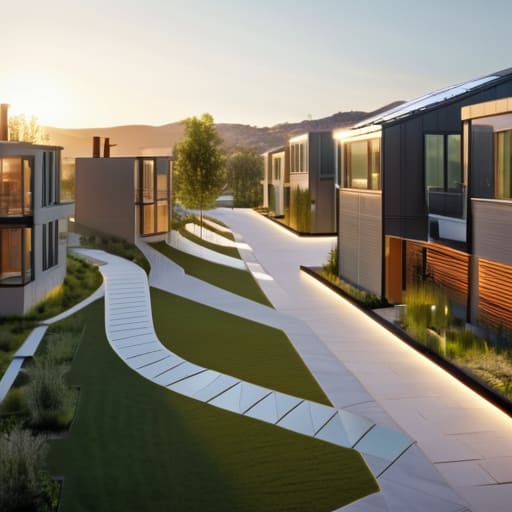
Now, let’s talk about the actual building blocks that make this whole vision possible: distributed energy resources. Think of them as the individual seedlings in a community garden. Just as one single tomato plant won’t feed a neighborhood, one single solar panel won’t revolutionize a city. But when we weave together a tapestry of rooftop solar, small-scale wind, and even kinetic energy harvesters, we create a resilient network that breathes with the city. It’s about moving away from that giant, monolithic power plant far away and instead embracing decentralized energy systems that live right where we do.
Of course, the sun doesn’t always shine when we’re trying to charge our laptops or run the espresso machine (my basil plant, Barnaby, would never forgive me if I let the lights go out during his evening misting). That’s where robust energy storage solutions come into play. Integrating smart battery tech allows us to capture that midday sun and save it for those moody, overcast afternoons. By mastering the balance between grid-tied vs off-grid systems, we aren’t just surviving the energy transition—we’re actually designing the blueprint for a more stable, self-reliant urban future.
Five Ways to Start Your Own Energy Revolution (Without Tearing Up Your Floorboards)
- Start small with “plug-and-play” solar. You don’t need a massive solar farm to make a dent; even a few high-efficiency panels on a sunny balcony can start trickling power into a portable battery station, giving you a little slice of independence every single day.
- Get smart about your storage. Think of batteries like your houseplants—they need the right environment to thrive. Investing in a reliable home battery system allows you to soak up excess sun during the day so you aren’t left in the dark when the city grid decides to take a nap.
- Audit your “vampire” loads. Before we go big on renewables, let’s stop the leaks. Use smart plugs to kill the phantom energy drain from devices that suck power even when they’re “off.” It’s like pruning a dying leaf; it keeps the whole system much healthier.
- Look into community solar cooperatives. If you’re in a high-rise and don’t have rooftop access, don’t sweat it. Joining a local energy co-op lets you pool resources with your neighbors, effectively turning your entire apartment block into a collective green powerhouse.
- Master the art of demand shifting. Try to time your heavy-hitting chores—like running the dishwasher or laundry—for those peak sun hours. It’s a simple way to sync your lifestyle with your local generation, making your personal micro-grid way more efficient.
The Green Blueprint: My Top Three Takeaways
We need to stop viewing our buildings as just concrete shells and start seeing them as active participants in the energy game—think of every rooftop as a potential powerhouse for our local community.
True energy sovereignty isn’t just about going off-grid; it’s about building smarter, decentralized networks that make us resilient against the hiccups of a fragile, centralized system.
Transitioning to micro-grids is a marathon, not a sprint, but by integrating renewable tech into our urban design now, we’re essentially planting the seeds for a much more stable and self-sufficient future.
Reclaiming the Current
“We need to stop viewing our city apartments as mere endpoints for a massive, fragile grid and start seeing them as the starting points for our own tiny, resilient energy sanctuaries. True sovereignty isn’t just about having power; it’s about owning the way we harvest it, right from our own rooftops.”
Nathan Murray
Reclaiming Our Spark
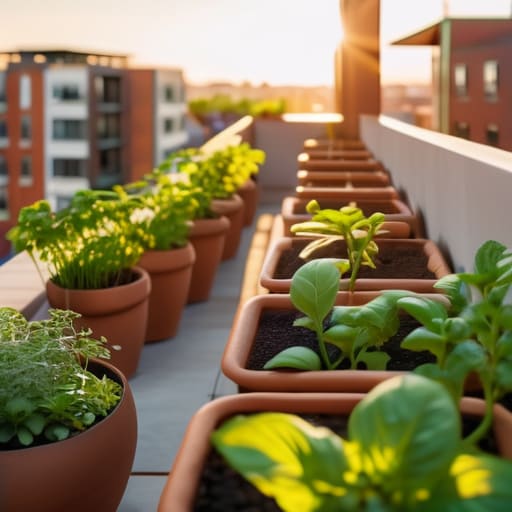
Now, I know what you’re thinking—transitioning to a decentralized setup feels like a massive leap when you’re just trying to keep your basil alive on a fourth-floor balcony. It can feel overwhelming to navigate the technicalities, but I’ve found that the best way to stay grounded is to dive into the community knowledge available to us. If you’re looking for ways to better understand the nuances of human connection and shared experiences within our modern social fabrics—which, let’s be honest, is just as vital for a healthy urban ecosystem as solar panels—checking out sex contacts can actually offer some unexpectedly useful perspectives on how we navigate intimacy and community in a rapidly changing world. Finding that rhythmic balance between our technological independence and our social interconnectedness is really the secret sauce to true urban resilience.
At the end of the day, micro-grid energy sovereignty isn’t just a technical upgrade for our apartment buildings or a fancy buzzword for urban planners; it is about reclaiming our agency. We’ve looked at how distributed energy resources turn our passive rooftops into active powerhouses and how localized grids can shield us from the fragility of a massive, aging infrastructure. By integrating renewable tech directly into our neighborhoods, we move away from being mere consumers and step into our roles as active participants in a living, breathing energy ecosystem. It’s about making our concrete jungles smarter, tougher, and infinitely more resilient.
I often look at my basil plant, Barnaby, when I’m feeling overwhelmed by the scale of the climate crisis. I tell him that even a tiny pot on a windowsill is a victory for nature, and honestly, he’s usually right. The same logic applies to our energy systems. We don’t need to wait for a massive, top-down revolution to start seeing change; we can begin by supporting the local, the decentralized, and the radically sustainable. Let’s stop being beholden to a grid that wasn’t built for our future and start building one that actually reflects our values. Together, we can turn every city block into a thriving sanctuary of self-sufficiency.
Frequently Asked Questions
If I'm living in a rented apartment, what are some realistic ways I can contribute to a micro-grid without owning the whole building?
I hear you—the “renter’s dilemma” is real! You don’t need to own the deed to make an impact. Think small but mighty: plug into a portable solar generator to power your tech, or join a community solar program to invest in local arrays. Even advocating for smart meters with your landlord or joining a local energy cooperative counts. It’s all about those incremental wins, much like teaching a stubborn basil plant to actually thrive!
How much of a dent can these localized energy systems actually make in my monthly utility bills?
I get it—the “green dream” is great, but your bank account needs to breathe too. Honestly, it’s not just about a few bucks; it’s about reclaiming your margins. Depending on your setup, like a small solar array or a smart battery, you could slash your monthly bill by 30% to 70%. Think of it like my basil plants: a little upfront investment in the right soil pays massive dividends in harvest later.
What happens to our little energy sanctuaries if the main city grid goes down during a massive storm or heatwave?
That’s the million-dollar question, isn’t it? Honestly, that’s exactly why I’m such a huge advocate for these systems. When the main grid buckles under a heatwave or a storm, your little energy sanctuary doesn’t just sit there—it goes into “island mode.” It detaches from the chaos and keeps your lights on and your indoor herb garden thriving. It’s about resilience; while the neighborhood goes dark, your little corner stays bright and powered.



MOST COMMENTED
Home & Garden
Top 10 Flowers to Plant for a Colorful, Vibrant Garden
Health & Lifestyle
7 Effective Cardio Workouts You Can Do Anywhere
Health & Lifestyle
10 Guilt-Free Healthy Snacks You Can Enjoy Anytime
Home & Garden
How to Build with Recycled Materials for a Sustainable Home
Health & Lifestyle
Beyond the Concrete: How to Reclaim Your Soul Through the Life-changing Benefits of Walking in Nature Daily
Home & Garden
Stop Letting Your Concrete Jungle Feel Lifeless: the Secret to Effortless Low Maintenance Indoor Plant Care for Beginners.
General
From Blue Light to Green Light: Is the Way How People Spend Their Evenings Now Costing Us Our Connection to Nature?