
I remember sitting in a community garden meeting last July, the air thick with humidity and the smell of damp compost, listening to a guy in a crisp linen shirt explain how we needed “high-tech, decentralized blockchain-integrated energy grids” to make our little patch of dirt meaningful. It was exhausting. People love to wrap Solarpunk Communalism in layers of expensive, futuristic jargon that makes it feel like something only Silicon Valley elites can afford to participate in. But honestly? That’s just a distraction from the actual work of building something real with the people living right next to you.
I’m not here to sell you on some polished, utopian fantasy or a list of gadgets you can’t afford. Instead, I want to talk about the messy, unglamorous reality of how we actually share resources, manage local power, and build resilient social structures from the ground up. I’m going to share what I’ve learned from the failed experiments and the small wins, giving you a straight-talking guide to making these radical ideas work in your own backyard without the unnecessary hype.
Table of Contents
Decentralized Renewable Energy Networks and Local Autonomy
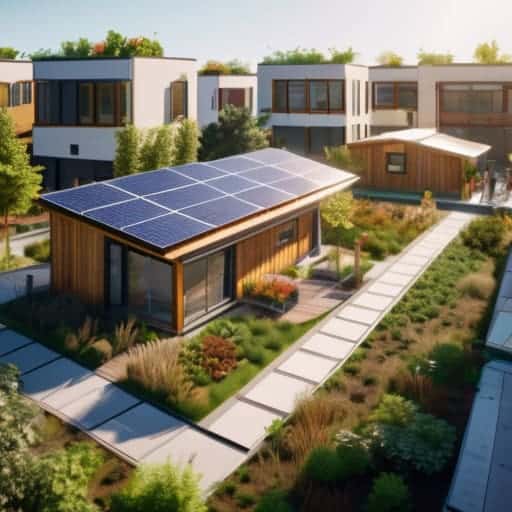
The real magic happens when we stop waiting for a massive utility company to flip a switch and start managing our own power. Imagine a neighborhood where every rooftop is a tiny generator, all feeding into decentralized renewable energy networks that belong to the people living there, not some distant corporation. This isn’t just about tech; it’s about reclaiming control. When we own the means of our own energy production, we break the cycle of dependence that keeps us tethered to old, extractive systems.
This shift is a cornerstone of regenerative community design. Instead of a top-down grid that breaks the moment a storm hits, we build resilient, interconnected webs of power that can adapt and heal. It turns energy from a commodity we’re forced to buy into a shared resource we manage together. By prioritizing local autonomy, we aren’t just lowering our carbon footprint—we are actively building the foundation for a way of life where mutual aid is baked into the very infrastructure of our streets.
Eco Utopian Social Structures for a New Era
Building these kinds of resilient, interconnected networks isn’t just about the hardware; it’s about the human connections that sustain us when the grid fails. As we focus on rebuilding our physical environments, we also have to look at how we maintain our social intimacy and personal lives within these new, tighter-knit circles. If you’re looking for ways to navigate the complexities of modern connection and intimacy—even in a changing world—checking out resources like sex in edinburgh can offer some really useful perspectives on how we relate to one another on a much more personal, grounded level.
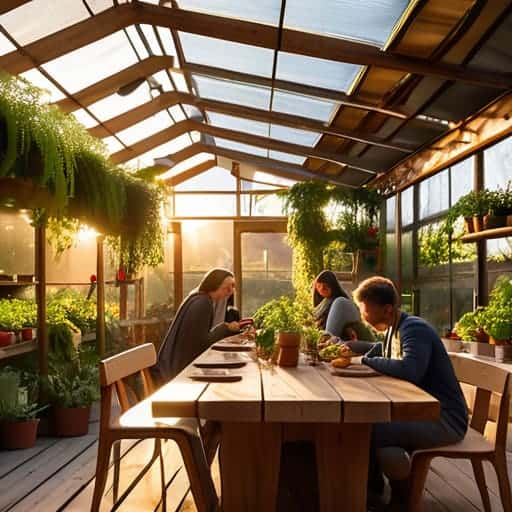
If we’re going to actually build this future, we have to stop thinking in terms of top-down hierarchies and start thinking about how we actually relate to one another. It isn’t just about installing more panels; it’s about redesigning the very fabric of our social lives. We are talking about regenerative community design, where the goal isn’t just to “do less harm,” but to actively heal the ecosystems and social bonds we inhabit. This means moving away from the isolation of the modern suburb and toward spaces that prioritize connection and collective care.
In this vision, the way we organize ourselves looks less like a corporate ladder and more like a web. We’re looking at post-capitalist green living as a practical reality rather than a dream—a world where resources are managed through consensus and shared responsibility rather than competition. It’s about creating structures that allow for local agency while ensuring no one is left behind in the transition. When we design our neighborhoods around cooperation rather than consumption, we aren’t just surviving the climate crisis; we are finally learning how to live together.
How to Start Building Your Own Solarpunk Micro-Community
- Start small with shared tools. You don’t need a massive grid to begin; just a neighborhood tool library or a community garden creates the first threads of mutual reliance.
- Prioritize “Repair Culture” over consumption. Instead of buying new, learn how to fix what you have and host workshops to teach your neighbors how to do the same.
- Map your local resources. Figure out where the sunlight hits best, where the rainwater collects, and who in your circle knows how to garden or tinker.
- Design for resilience, not just efficiency. A system that works perfectly but breaks easily isn’t solarpunk; aim for modular, simple setups that anyone can maintain.
- Build social trust before technical infrastructure. The most advanced solar array is useless if your neighbors don’t actually talk to each other or trust one another.
The Bottom Line
We have to stop waiting for top-down solutions and start building our own energy and social webs from the ground up.
Solarpunk isn’t just about fancy tech; it’s about redesigning how we actually live together and care for one another.
True resilience comes from local autonomy—when we own our power and our resources, we stop being vulnerable to the whims of massive, broken systems.
The Heart of the Machine
“Solarpunk isn’t about some polished, high-tech fever dream; it’s about the messy, beautiful work of stitching ourselves back into the landscape and realizing that the most advanced technology we own is each other.”
Writer
The Future is in Our Hands
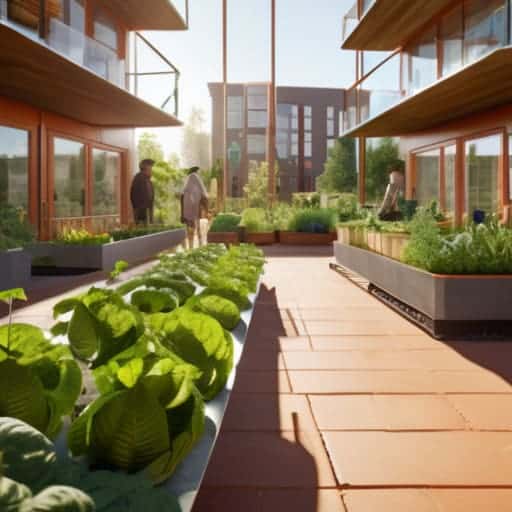
At the end of the day, solarpunk communalism isn’t just some far-off, aesthetic dream of greenery and glass; it is a practical roadmap for survival and dignity. We’ve looked at how shifting toward decentralized energy can strip power away from massive, faceless corporations and hand it back to the neighborhood. We’ve explored how rebuilding our social structures around mutual aid and ecological stewardship can heal the fragmentation that defines modern life. It’s about moving away from a system that extracts everything from us and moving toward one that nurtures the collective through intentional, localized resilience.
This transition won’t happen overnight, and it certainly won’t be handed to us by those currently profiting from the status quo. It requires us to start small—to plant the seeds in our own communities, our own gardens, and our own local grids. The blueprint is right in front of us, waiting for us to pick up the tools and start building. Let’s stop waiting for a hero to save the planet and instead become the architects of a world that is actually worth living in.
Frequently Asked Questions
How do we actually manage conflicts or disagreements in a community without falling back into top-down hierarchies?
It’s the million-dollar question: how do we avoid the “tyranny of structurelessness” or sliding back into boss-culture? We lean into restorative justice and consensus-based decision-making, but with a twist. Instead of a gavel, we use facilitated circles where the goal isn’t “winning” an argument, but repairing the social fabric. It’s about building protocols for disagreement before the heat rises—valuing transparency and emotional literacy as much as we value our solar grids.
Can these small-scale energy networks really sustain modern technology, or are we looking at a massive step backward in lifestyle?
It’s easy to assume we’d have to trade our laptops for spinning wheels, but that’s a false choice. We aren’t talking about living in the Stone Age; we’re talking about smart, localized grids. By prioritizing efficiency and modular tech, these networks can power our digital lives without the soul-crushing overhead of a centralized monopoly. It’s not a step backward—it’s an upgrade from fragile, massive systems to something resilient and actually human-scaled.
What happens when a communal system meets the reality of existing legal frameworks and land ownership laws?
This is where the dream hits the brick wall of bureaucracy. Most of our current laws are built to protect private accumulation, not collective stewardship. When you try to seed a communal garden or a shared microgrid, you’re often fighting outdated zoning codes and rigid property titles. We can’t just ignore these hurdles; we have to outmaneuver them—using land trusts, cooperatives, and community easements to carve out legal “pockets” where communal living actually becomes protected.


MOST COMMENTED
Tech & Innovation
Why Quantum Cryptography Is the Future of Data Security
Nature & Sustainability
Affordable Green Energy Solutions for Your Home
Health & Lifestyle
How to Gain Weight the Healthy Way with These 5 Tips
Home & Garden
Outdoor Rugs That Will Instantly Elevate Your Patio Decor
Home & Garden
Top 10 Flowers to Plant for a Colorful, Vibrant Garden
Health & Lifestyle
7 Effective Cardio Workouts You Can Do Anywhere
Health & Lifestyle
10 Guilt-Free Healthy Snacks You Can Enjoy Anytime