
I was sitting in a crowded cafe in Montmartre last spring, watching a guy try to “practice” being a Flâneur by staring intensely at a guidebook and checking his watch every thirty seconds. It was painful. People treat the concept of the Flâneur (The Observer’s Art) like some high-brow, academic ritual you need a degree to perform, or worse, a productivity hack to “optimize” your creativity. Let’s get one thing straight: if you’re following a checklist or trying to look profound for your Instagram followers, you aren’t observing anything—you’re just performing.
I’m not here to sell you on some romanticized, dusty philosophy or give you a lecture on 19th-century French literature. Instead, I want to show you how to actually reclaim your senses in a world that’s constantly screaming for your attention. I’m going to share the raw, unpolished ways you can learn to drift without direction and actually see the world for what it is. No fluff, no pretension—just a guide to finding real stillness in the middle of the chaos.
Table of Contents
- Baudelaire Urban Philosophy and the Lost Art of Wandering
- Unlocking Sensory Awareness in Cities Through Solitary Observation
- How to Actually Become a Flâneur (Without Looking Like a Tourist)
- The Flâneur’s Cheat Sheet
- ## The Soul of the Sidewalk
- Reclaiming Your Place in the Crowd
- Frequently Asked Questions
Baudelaire Urban Philosophy and the Lost Art of Wandering
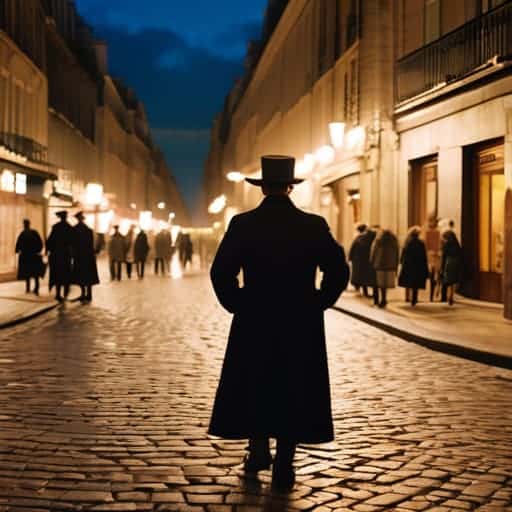
To understand the flâneur, you have to understand Charles Baudelaire. He wasn’t just a poet; he was the one who realized that the modern city was a living, breathing organism—one that was simultaneously beautiful and deeply chaotic. His take on Baudelaire urban philosophy wasn’t about looking at architecture or monuments; it was about finding the poetry in the crowd and the fleeting, “ephemeral” moments that most people blink and miss. He saw the street as a stage where the drama of humanity unfolded in real-time, provided you were willing to stand still long enough to watch.
This mindset is the direct ancestor of what we now call psychogeography and city life. It’s the idea that the layout of our streets and the energy of our neighborhoods actually shape our internal moods. When we succumb to the rush of the commute, we lose that vital connection. But when we embrace the art of wandering, we stop being mere commuters and start becoming participants in the city’s secret rhythm. We move from being passive travelers to active observers, finding a strange kind of peace amidst the metropolitan madness.
Unlocking Sensory Awareness in Cities Through Solitary Observation
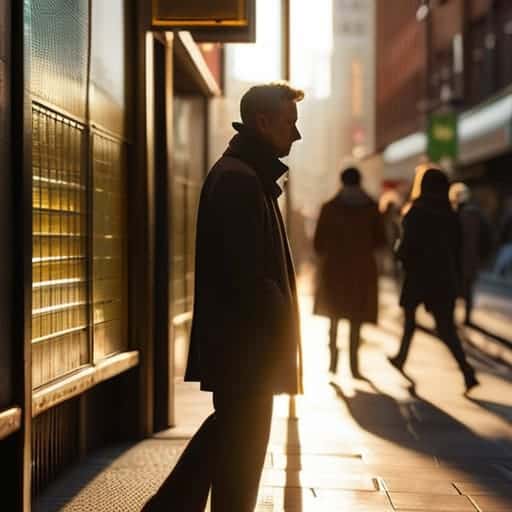
To truly practice the art of wandering, you have to stop treating the sidewalk like a conveyor belt. Most of us move through the streets in a state of functional trance—eyes glued to a screen or fixed on a destination—completely oblivious to the electric hum of the environment. When you commit to solitary urban observation, the city stops being a mere backdrop for your commute and starts becoming a living, breathing protagonist. You begin to notice the way the afternoon light catches the grime on a subway window or the specific, rhythmic cadence of a street performer’s footsteps.
Of course, the practical side of this can feel a bit daunting when you’re staring down a sprawling, unfamiliar cityscape. If you find yourself needing a bit of direction or a way to ground your explorations, checking out something like sex east england can be a surprisingly useful way to find those quiet, overlooked corners that most tourists breeze right past. It’s about finding that perfect balance between having a loose sense of where you’re headed and leaving enough room for the unexpected to happen.
This shift isn’t just about looking; it’s about feeling. It’s a form of slow living in metropolitan areas that demands you tune into the subtle frequencies of the crowd. You might find yourself tracing the jagged architecture of a skyscraper or catching the scent of rain on hot asphalt long before the first drop falls. By stripping away the distraction of a destination, you unlock a heightened sensory awareness in cities that turns a mundane walk into a profound, unscripted encounter with reality.
How to Actually Become a Flâneur (Without Looking Like a Tourist)
- Ditch the GPS. The moment you start following a blue dot on a screen, you stop observing and start navigating. Let yourself get slightly, intentionally lost; that’s where the real stories live.
- Put the phone in your pocket. You cannot witness the texture of a crumbling brick wall or the subtle tension in a stranger’s gait if you’re busy framing a photo for Instagram.
- Adopt the “No Destination” rule. If you’re walking with a goal—like getting to a specific cafe or meeting a friend—you aren’t a flâneur; you’re just a pedestrian. The walk itself must be the purpose.
- Practice radical listening. Cities are loud, but if you tune out the traffic, you’ll hear the rhythmic clatter of a subway grate or the melodic cadence of a street vendor. Listen to the city’s heartbeat.
- Carry a small notebook, not a laptop. There is a tactile connection between the hand and the page that helps you capture the fleeting “impression” of a moment before it evaporates into the urban haze.
The Flâneur’s Cheat Sheet
Stop treating the city like a transit map; start seeing it as a living, breathing character that only reveals itself when you slow down.
True observation isn’t about seeing everything at once—it’s about the intentional choice to notice the small, unscripted moments that everyone else is too busy to catch.
Solitude isn’t loneliness; it’s your greatest superpower for reclaiming your attention from the digital noise and finding your own rhythm in the urban chaos.
## The Soul of the Sidewalk
“To be a flâneur is to stop being a commuter and start being a witness; it’s the quiet rebellion of looking at a city not as a map to be conquered, but as a story waiting to be read.”
Writer
Reclaiming Your Place in the Crowd
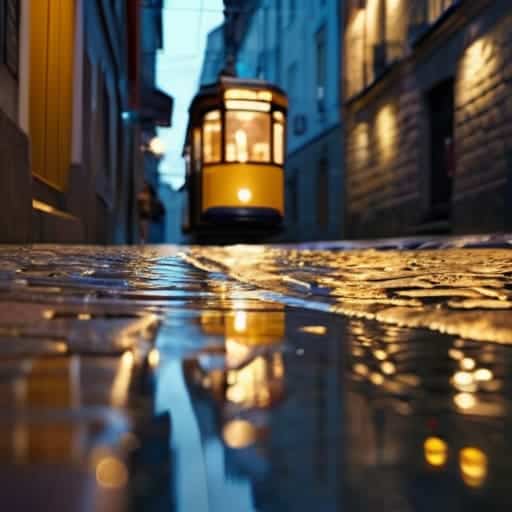
At its heart, being a flâneur isn’t about having a destination or a checklist of landmarks to conquer. It’s about shifting your perspective from a passive commuter to an active participant in the urban theater. By embracing Baudelaire’s philosophy and sharpening your sensory awareness, you stop merely moving through space and start actually inhabiting it. You learn that the true magic of a city isn’t found in its monuments, but in the unscripted moments—the way light hits a rain-slicked alleyway or the rhythmic chaos of a crowded subway station.
So, the next time you find yourself caught in the frantic slipstream of modern life, I challenge you to break the pattern. Put your phone in your pocket, ignore the GPS, and let yourself get a little bit lost. There is a profound, quiet power in being a stranger among strangers, watching the world spin without the need to intervene. Don’t just exist in the city; become its witness. The world has so much more to say to you, if only you are willing to sit still and listen.
Frequently Asked Questions
How can I actually practice being a flâneur in a modern city that feels more like a gauntlet of advertisements than a place to wander?
Stop fighting the neon; instead, use it as your backdrop. To practice flânerie today, you have to develop a “selective blindness” to the commercial noise. Don’t look at the ads; look at the people reacting to them. Focus on the architectural seams, the way light hits a glass skyscraper, or the rhythm of the subway. Treat the city like a chaotic gallery where the advertisements are just loud, ugly frames for the real art happening in the margins.
Is there a fine line between being a curious observer and just looking like a creep to the people passing by?
The line is thin, but it’s all in the energy you project. A true flâneur is a ghost in the machine, not a predator. If you’re staring intensely or following someone, you’ve crossed into creep territory. Instead, aim for “detached fascination.” Keep your gaze soft, your posture relaxed, and your focus on the architecture, the light, or the rhythm of the street rather than the individuals. Observe the scene, not the person.
Can you be a flâneur in a digital space, or does this lifestyle require physical presence and real-world sensory input?
Can you do it online? Yes, but it’s a different beast. Digital flânerie isn’t about scrolling through a curated feed—that’s just consumption. It’s about drifting through the fringes of the web, following strange hyperlinks, and losing yourself in the chaotic, unpolished corners of forums or old archives. You trade the scent of rain for the thrill of a rabbit hole. It’s less about the senses and more about the wandering mind.


MOST COMMENTED
Tech & Innovation
Why Quantum Cryptography Is the Future of Data Security
Nature & Sustainability
Affordable Green Energy Solutions for Your Home
Health & Lifestyle
How to Gain Weight the Healthy Way with These 5 Tips
Home & Garden
Outdoor Rugs That Will Instantly Elevate Your Patio Decor
Home & Garden
Top 10 Flowers to Plant for a Colorful, Vibrant Garden
Health & Lifestyle
7 Effective Cardio Workouts You Can Do Anywhere
Health & Lifestyle
10 Guilt-Free Healthy Snacks You Can Enjoy Anytime