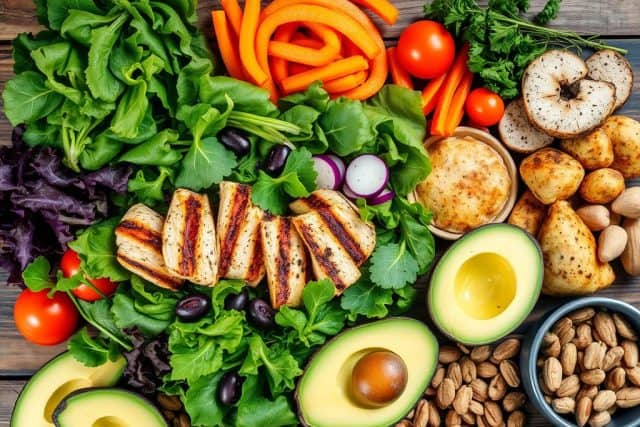
Did you know that anything lower than 100–150 grams of carbohydrates per day is called a low-carb diet? I’m always looking for ways to lose weight and eat better. The low-carb diet is popular for its health benefits. But, it’s key to know the basics before starting.
For the best results, like burning fat and controlling blood sugar, it’s important to know the details. Many people need to eat less than 50 grams of carbs a day to get into ketosis. A well-planned low-carb diet focuses on eating a lot of fat, aiming for 70% of total calories from fat. I want to share tips to help you succeed on this journey.
In the next parts, I’ll talk about important things to think about. This way, adopting a low-carb diet can be a lasting change, not just a quick fix.
Key Takeaways
- Low-carb diets typically require less than 100–150 grams of carbohydrates per day.
- To achieve ketosis, limiting carbs to under 50 grams daily is essential.
- A successful low-carb approach should be high in fats and moderate in protein.
- Identifying common mistakes can prevent setbacks on a low-carb journey.
- Monitoring daily carbohydrate intake can enhance nutrient management and overall health.
Understanding the Basics of a Low-Carb Diet
A low-carb diet means eating fewer carbs to improve health and manage weight. It suggests eating less than 100–150 grams of carbs daily. This is a big change from the usual Western diet, which has more carbs.
For those on the ketogenic diet, eating less than 50 grams of carbs is key to ketosis. It’s helpful to eat non-starchy veggies and small amounts of berries. Knowing how much you eat is important.
What Constitutes a Low-Carb Diet?
A low-carb diet limits carbs to less than 26% of daily calories. For a 2,000-calorie diet, that’s less than 130 grams of carbs. Different diets have their own rules.
The Atkins diet starts with 20 grams of carbs a day, then adds more. The Dukan diet focuses on high protein and low fat, with four phases. Enjoying dark chocolate or dry wines without added sugars is okay too.
The Role of Macronutrients in a Low-Carb Lifestyle
Getting the right mix of macronutrients is key in a low-carb lifestyle. Proteins help with feeling full and losing fat. But eating too much can stop ketosis.
My protein goal is 0.7–0.9 grams per pound of body weight. Healthy fats should make up 70% of my calories on a very low-carb diet. Choosing unsaturated fats and omega-3s keeps me healthy and energized.
Common Mistakes to Avoid on a Low-Carb Diet
Starting a low-carb diet can be tough. Knowing the common mistakes helps me stay on track and reach my goals. It’s important to watch out for too much carbohydrate intake, eating too much protein, and not enough healthy fats.
Eating Too Many Carbs
One big mistake is eating too many carbs. Keeping carbs under 50 grams a day helps me enter ketosis, where my body burns fat. If I eat too many carbs, I miss out on the diet’s benefits. I must be careful with hidden carbs in processed foods to stay within my limit.
Overconsumption of Protein
Eating too much protein can mess up ketosis. I aim for 0.7–0.9 grams of protein per pound of body weight. Eating too much meat and cheese can turn protein into glucose, which stops ketosis. I need to avoid this to succeed on a low-carb diet.
Neglecting Healthy Fats
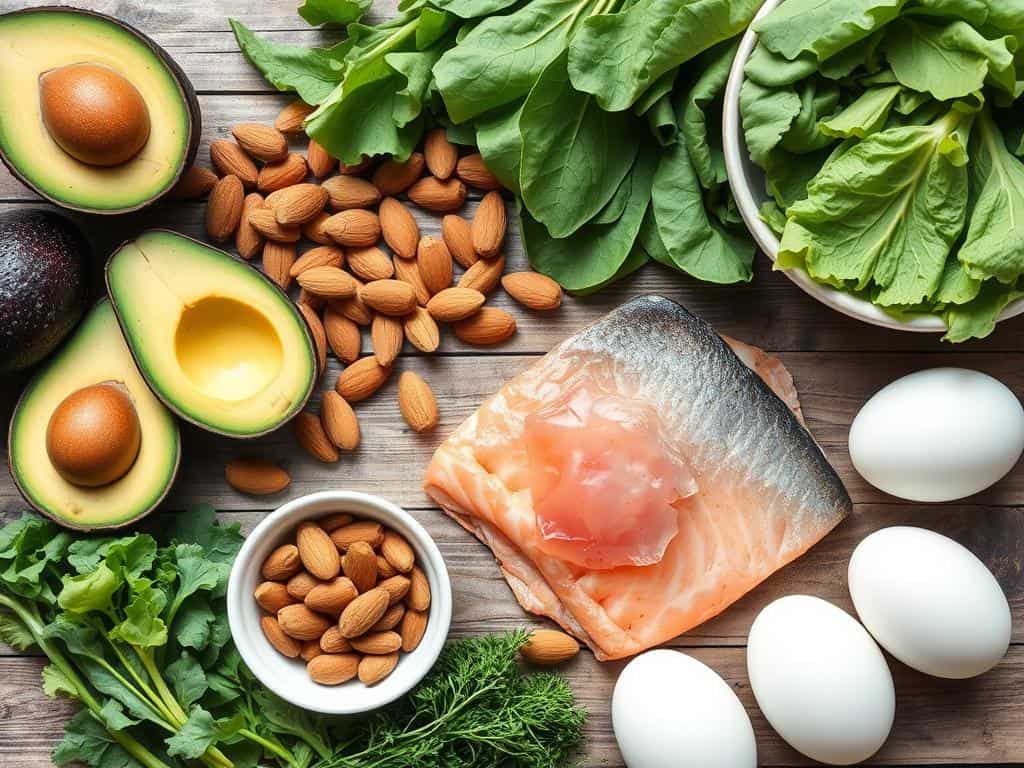
Not getting enough healthy fats can make me tired. I replace carbs with healthy fats, keeping fats at about 70% of my diet. Foods like avocados, olive oil, and fatty fish give me energy and keep me healthy.
Conclusion
Starting a low-carb diet can bring big benefits. It helps with weight loss and improves my health. The secret is knowing the diet’s basics and avoiding too many carbs.
By making healthy lifestyle changes, I can see lasting improvements in my health. This journey has taught me that not all low-carb diets are the same. Diets like Atkins can help with weight loss without harming my health.
By eating fewer carbs and more protein and fats, I’m set for long-term success. This method not only helps me lose weight but also boosts my insulin sensitivity and lipid levels.
My journey to better health through a low-carb diet needs to be tailored to me. With the right planning and focus on nutrient-rich foods, I can achieve lasting results. This way, my health transformation will be effective and lasting for years.



MOST COMMENTED
Nature & Sustainability
Affordable Green Energy Solutions for Your Home
Health & Lifestyle
How to Gain Weight the Healthy Way with These 5 Tips
Home & Garden
Outdoor Rugs That Will Instantly Elevate Your Patio Decor
Home & Garden
Top 10 Flowers to Plant for a Colorful, Vibrant Garden
Health & Lifestyle
7 Effective Cardio Workouts You Can Do Anywhere
Health & Lifestyle
10 Guilt-Free Healthy Snacks You Can Enjoy Anytime
Home & Garden
How to Build with Recycled Materials for a Sustainable Home