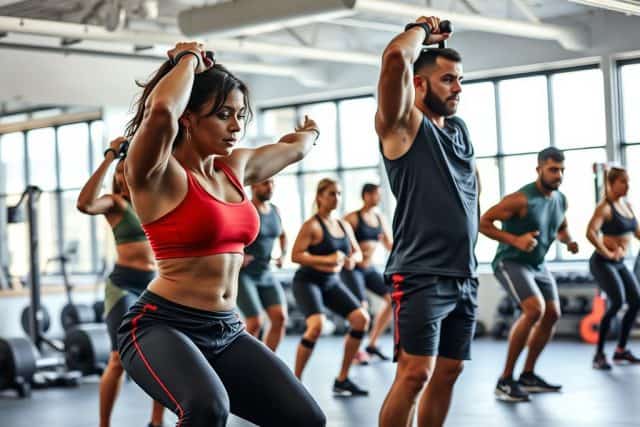
Did you know that only 30.2% of Americans meet the Physical Activity Guidelines for muscle-strengthening activities? This shows how vital functional fitness is, as we get older. It focuses on movements that help us do everyday tasks better. This keeps us independent and healthy for longer.
By focusing on natural body movements, we can greatly improve our health. It also helps us avoid injuries. Let’s look at how this can change our lives for the better.
The U.S. Centers for Disease Control and Prevention say adults need resistance training. They recommend at least two days a week to improve endurance and bone density. As we explore the benefits of functional fitness, you’ll see how it can enhance our health and life quality as we age.
Key Takeaways
- Only 30.2% of Americans comply with muscle-strengthening activity guidelines.
- Sarcopenia emphasizes the need for resistance training after age 65.
- Incorporating functional fitness can enhance everyday strength and mobility.
- Strength training contributes to better balance and reduced fall risk.
- Functional fitness exercises support four key areas: strength, flexibility, endurance, and balance.
Understanding Functional Fitness and Its Importance
Functional fitness is key to training for real-life activities. It focuses on exercises that boost strength, balance, agility, and flexibility. The definition of functional fitness includes movements like lifting groceries or climbing stairs. This prepares us to do these tasks more easily and efficiently.
Definition of Functional Fitness
Functional fitness trains muscles to work together. It improves body movement for everyday tasks. This training boosts balance, endurance, and flexibility.
These exercises started in rehab and became popular in fitness. They offer a full workout that looks good and works well in daily life.
The Role of Resistance Training
Resistance training is vital in functional fitness. It builds muscle strength and endurance. Exercises like squats, lunges, and rows are key.
Doing these exercises two to three times a week is beneficial. For beginners, start with bodyweight exercises. Then, add weights to get the best results.
Workout Benefits of Functional Fitness
Functional fitness is key to my well-being. It boosts both physical health and mental well-being. Understanding functional fitness helps me see how it improves my daily life.
Physical Health Improvements
Functional fitness is vital for physical health. It increases muscle strength, joint stability, and flexibility. Regular functional training helps prevent muscle loss and disability as I age.
It also improves bone density and muscle mass. This supports my physical health as I get older. Functional training makes daily tasks easier and reduces chronic pain in areas like the back and knees.
It involves compound exercises that work many muscles at once. This boosts overall strength and resilience. I feel better equipped to handle physical challenges and reduce injury risks.
Mental Well-Being and Quality of Life
Functional fitness boosts my mental well-being. It lowers stress and improves sleep, leading to a better mood. It enhances physical abilities and improves quality of life.
Functional training makes everyday activities easier and more fun. It improves body awareness and coordination. This leads to better posture and balance, making my movements more effective.
Functional fitness is a powerful tool for a healthier, more fulfilling life. It supports both physical health and a positive mental outlook.
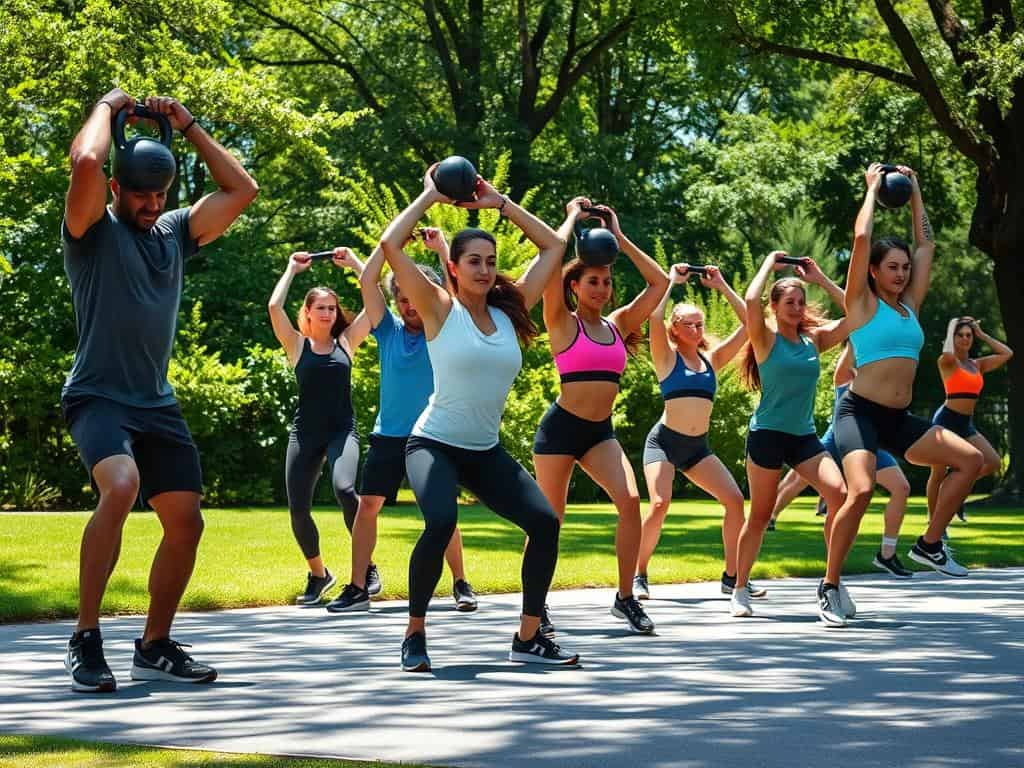
Functional Fitness: Techniques and Exercises
Adding functional fitness to my workouts boosts my everyday strength and life quality. These methods use movements I do every day. This makes my training both effective and relevant. Common exercises are key, as they work many muscles and improve balance and coordination.
Common Exercises for Everyday Strength
Effective exercises include squats, deadlifts, push-ups, and walking lunges. They help with strength and mobility for everyday tasks. For example, chair squats help with standing up from a chair. Deadlifts improve lifting heavy things, and overhead presses strengthen my upper body.
Pull-ups and kettlebell swings also play a big role. They work important muscles for daily activities.
Creating a Balanced Workout Routine
To have a balanced routine, I mix different exercises that target all major muscles. Health experts say to do this at least twice a week. I combine functional training with cardio for a full workout.
This mix boosts strength and heart health. Regular functional fitness helps prevent injuries and keeps me healthy for the long term.
Conclusion
Functional fitness is a game-changer for my health and strength every day. It uses exercises that are like real-life movements. This way, I get stronger and avoid injuries.
It helps me balance, stand straight, and keep my heart healthy. It’s a key part of my fitness plan.
Functional fitness lets me pick exercises that fit my goals. I might want to lose weight, get better at sports, or stay active as I get older. With a mix of bodyweight exercises, resistance bands, and weights, I work all my muscles.
By making functional fitness a part of my daily life, I keep my body and mind strong. It prepares me for life’s ups and downs. It’s a big part of my health routine.



MOST COMMENTED
Nature & Sustainability
Affordable Green Energy Solutions for Your Home
Health & Lifestyle
How to Gain Weight the Healthy Way with These 5 Tips
Home & Garden
Outdoor Rugs That Will Instantly Elevate Your Patio Decor
Home & Garden
Top 10 Flowers to Plant for a Colorful, Vibrant Garden
Health & Lifestyle
7 Effective Cardio Workouts You Can Do Anywhere
Health & Lifestyle
10 Guilt-Free Healthy Snacks You Can Enjoy Anytime
Home & Garden
How to Build with Recycled Materials for a Sustainable Home